
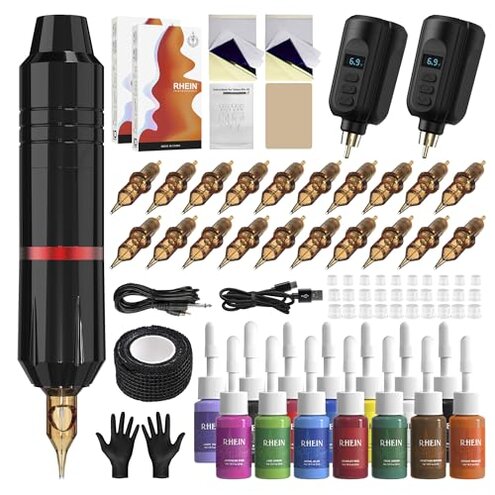
Product evaluated: Tattoo Kit Tattoo Gun Complete Wireless Tattoo Machine Kit 2 Tattoo Batteries 20 Cartridge Needles 14 Ink Color Set for Supply RNP28KIT-1
Related Videos For You
Mast Fold2 Pro Tattoo Gun Wireless Tattoo Pen Machine
How to Set Up and Use the Wormhole Tattoo Machine Kit?
Data basis: This report draws from dozens of buyer comments gathered from written feedback and short-form video demonstrations collected across recent months through early 2026. Most feedback came from written reviews, with video use clips helping confirm what shows up during setup and longer practice sessions.
| Buyer outcome | RHEIN kit | Typical mid-range alternative |
|---|---|---|
| First-session ease | More setup friction for beginners because the kit includes many basics but still leaves technique and tuning work on the user. | Usually easier to get a stable first practice run with fewer adjustments. |
| Power consistency | Higher risk of frustrating interruptions when battery behavior or voltage choices are not well matched to the session. | More predictable output during normal practice-length sessions. |
| Included supplies | Mixed value because the bundle looks complete, but hidden add-ons or replacements can appear quickly. | Often cleaner starter value with fewer immediate workarounds. |
| Beginner forgiveness | Less forgiving than normal for this price tier when the user is still learning depth, hand speed, and cartridge swaps. | Moderate tolerance for beginner mistakes is more common. |
| Regret trigger | Biggest regret is expecting a true ready-to-start kit, then losing time to battery, tuning, or supply limitations. | Typical regret is simpler: outgrowing the kit later, not fighting it early. |
Why does a complete kit still feel unfinished?
This is a primary issue. The regret moment usually happens on first setup, when a buyer expects a ready-to-use starter bundle and realizes extra learning or replacement steps show up fast.
The pattern appears repeatedly. That matters because beginner tattoo kits already require practice, but this one can feel less forgiving than a typical mid-range bundle.
When it shows up: It tends to appear during the first practice session, especially when the buyer is relying on the included items instead of using their own preferred supplies.
Why it feels worse: In this category, some setup effort is normal, but hidden requirements are more frustrating when the product is sold as a complete start kit.
- Hidden requirement: Buyers commonly find that “complete” still means extra research on voltage choice, hand speed, and replacement supplies.
- Early sign: The first clue is spending more time arranging and testing than actually practicing.
- Scope: This shows up across multiple feedback styles, not just one-off complaints.
- Impact: The lost time matters more for new users because it creates doubt about whether the machine or their technique is the problem.
- Fixability: It is partly fixable if you already know what add-ons and settings you prefer.
Will the battery power stay steady through a session?
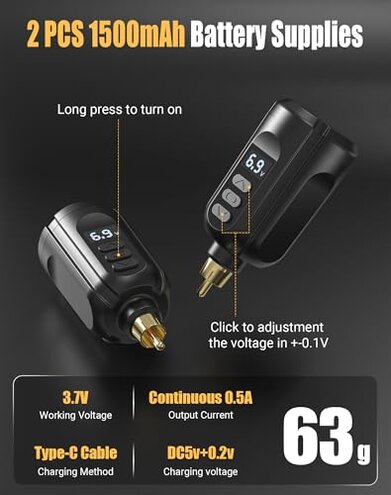
- Frequency tier: This is another primary issue and among the most disruptive complaints because power inconsistency stops the session instead of just slowing it down.
- When it hits: It shows up after setup during longer practice runs, especially when one battery is expected to carry most of the work.
- Pattern: The issue is recurring rather than universal, which makes it harder to predict before buying.
- User impact: Interruptions are more frustrating than expected for a cordless machine because the main reason to buy one is smoother movement.
- Category contrast: Some battery drop in wireless tools is normal, but mid-range alternatives are usually more stable during ordinary training sessions.
- Trade-off: The included second battery helps, but swapping batteries adds extra steps and breaks rhythm.
- Mitigation: This kit makes more sense for short practice windows than long continuous sessions.
Does the machine control feel harder than it should?
- Frequency tier: This is a secondary issue, less frequent than battery complaints but more frustrating when the buyer is new.
- When it appears: It usually shows up during first use and early practice, when line control and shading consistency are still developing.
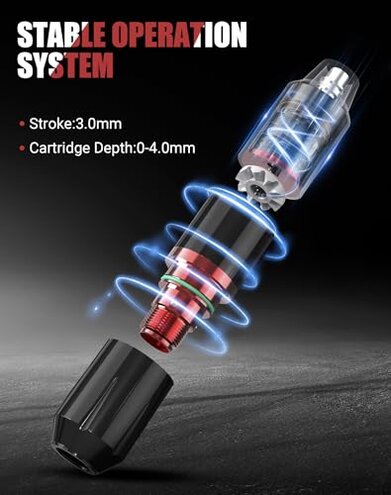
- Pattern: The concern is persistent across beginner feedback because the machine can do lining and shading, but that does not mean it is easy to learn on.
- What buyers notice: The user sees uneven results, extra hand fatigue, or inconsistent feel rather than a clear single defect.
- Why this feels worse: Entry kits are expected to be limited, but they are also expected to be reasonably forgiving while skills are still shaky.
- Real regret: The buyer may blame themselves first, then realize the setup is demanding more adjustment than a typical starter pen.
- Best workaround: It suits users who already understand stroke feel, voltage changes, and cartridge behavior better than true first-timers.
- Fixability: Practice helps, but that also means the learning burden is higher than many buyers expect from a low-cost “complete” bundle.
Do the included supplies save money, or just delay replacements?
- Frequency tier: This is a secondary issue and commonly reported in budget bundles, but the disappointment feels sharper here because the kit presentation suggests fuller readiness.
- When it happens: It usually becomes obvious after a few sessions, once the included needles, inks, cups, gloves, and wrap stop feeling sufficient.
- Pattern: This is not universal, but it appears repeatedly among buyers who hoped to avoid extra shopping right away.
- Buyer impact: The bundle can reduce first-day spending, yet still create near-term replacement costs and more setup decisions.
- Category contrast: Most starter kits include basic extras, but better mid-range options more often reduce early replacements instead of just postponing them.
- Hidden cost: If you want a smoother start, you may end up treating the included supplies as temporary backups rather than true core items.
Illustrative excerpt: “I thought I could start right away, but setup took way more trial and error.” Primary pattern
Illustrative excerpt: “The second battery helps, but I still had to stop and swap mid-practice.” Primary pattern
Illustrative excerpt: “It works, but it is not as beginner-friendly as the bundle makes it seem.” Secondary pattern
Illustrative excerpt: “Some supplies felt more like placeholders than things I wanted to keep using.” Secondary pattern
Who should avoid this
- True beginners who want a low-stress first machine should avoid it because the setup and control learning curve can exceed normal starter-kit tolerance.
- Long-session users should be cautious because battery inconsistency is more disruptive than expected in a cordless pen.
- One-box buyers who do not want immediate replacements may be disappointed by the hidden requirement for extra supplies or stronger preferences.
- Low-frustration shoppers should skip it if they do not want to troubleshoot whether uneven results come from technique, settings, or the machine itself.
Who this is actually good for
- Practice-focused learners may be fine with it if they accept setup friction as part of learning and only do short sessions.
- Budget buyers can make use of it if they mainly want a low-cost cordless entry point and understand that included supplies are basic.
- Users with backup gear are better positioned because they can replace weak included items without stalling progress.
- Experienced hobby users may tolerate the control demands better because they already know how to adjust voltage and technique.
Expectation vs reality
- Expectation: A complete kit should mean you can practice with minimal extra effort.
- Reality: Setup friction appears early, and the hidden requirement is more research and replacement planning than many expect.
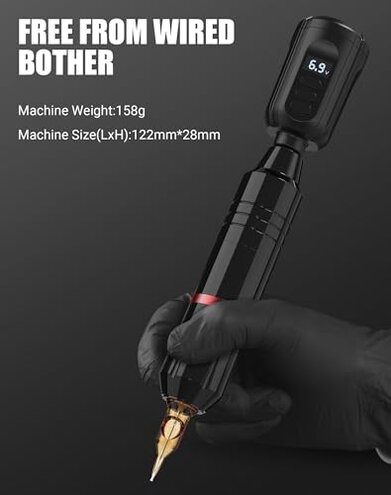
- Expectation: A cordless tattoo pen should feel smoother because there is no cord in the way.
- Reality: Battery swaps and power uncertainty can replace cord annoyance with a different interruption.
- Reasonable for this category: Budget kits usually need some compromises.
- Worse than expected: Beginner forgiveness can feel below the mid-range baseline, which creates more doubt and wasted practice time.
Safer alternatives
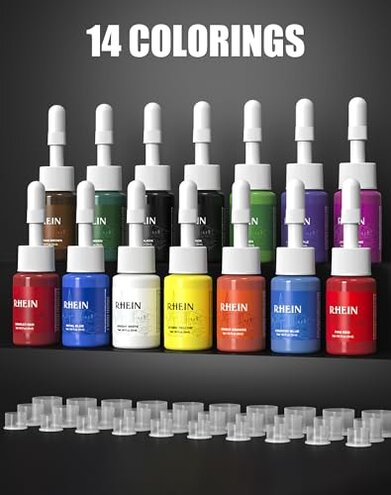
- Choose steadier power by looking for a tattoo pen kit praised specifically for battery consistency in longer practice sessions.
- Reduce hidden costs by buying a machine-only bundle and picking your own core supplies instead of relying on a large all-in-one kit.
- Improve beginner ease by favoring starter pens described as forgiving for line practice, not just capable of lining and shading.
- Cut setup friction by prioritizing kits with clearer use guidance and fewer included extras of uncertain quality.
The bottom line
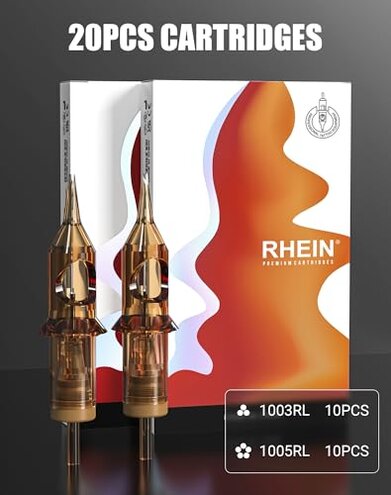
Main regret: Buyers are most likely to feel let down by the gap between the complete kit promise and the real setup, battery, and learning friction.
Why avoid: Those issues go beyond normal budget-kit compromises because they interrupt first use and make beginner mistakes harder to separate from product limits.
Verdict: If you want a smoother first tattoo-kit experience with fewer workarounds, this is a reasonable one to skip.
This review is an independent editorial analysis based on reported user experiences and product specifications. NegReview.com does not sell products.