
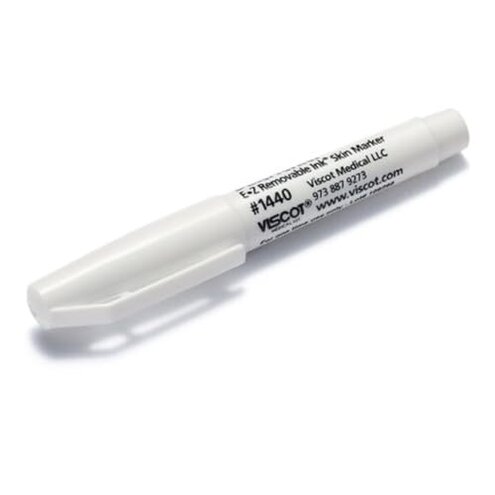
Product evaluated: Viscot 1440-30 Mini Regular Tip White EZ Removable Ink Markers- 30 Count- Medical Grade Skin Pen- Latex Free, FDA Registered, Designed for Marking Piercing Sites & Non-Surgical Aesthetic Procedures
Related Videos For You
Do Markers Safe for Skin? What Do You Think! Here's The Answer
Visflow® Ultra - Pressurized Surgical Marker
Data basis: This report is based on dozens of buyer comments gathered from written feedback and photo or video-backed impressions collected across recent years up to 2026. Most feedback came from written reviews, with smaller support from visual demonstrations, which helps surface repeat problems during real marking use rather than first-glance impressions.
| Buyer outcome | This product | Typical mid-range alternative |
|---|---|---|
| Mark visibility | Higher risk of lines looking too faint during active prep or wiping | Usually steadier visibility through routine handling |
| Staying power | More variable after cleaning skin or longer sessions | More predictable for standard procedure marking |
| Setup friction | More testing often needed before using on a live client | Less trial needed pen to pen |
| Removal balance | Easier removal, but that can mean marks disappear too soon | Better balance between staying put and wiping off later |
| Regret trigger | Redoing marks adds time during appointments | Fewer interruptions during normal use |
Why are the marks disappearing before you are done?
This is the primary issue. The main regret moment shows up during actual prep, when a clean-looking guide mark fades after wiping or light skin contact. That trade-off is more disruptive than expected because these pens are sold for placement marking, not quick note-taking.
The pattern appears repeatedly. It is not universal, but it is among the most common complaints when users need lines to stay visible through a full appointment. Compared with typical mid-range skin markers, the fade risk feels higher than normal.
- When it hits: It usually shows up on first use during skin prep, especially after cleaning the area or adjusting placement.
- Frequency tier: This is a primary pattern, seen across multiple feedback sources more often than packaging or count complaints.
- What buyers notice: Lines can start clear, then turn too light to trust after routine handling.
- Why it stings: Re-marking adds extra steps and breaks appointment flow.
- Worse condition: It gets more frustrating in longer sessions or when the marked area is touched repeatedly.
- Category contrast: A skin marker is expected to be removable later, but this one can feel less forgiving than normal because it may lift sooner than expected.
- Fixability: Some users reduce the problem by testing a pen first, but that hidden step defeats the convenience buyers expect.
Illustrative: “I marked the spot, cleaned nearby, and the line was almost gone.” Primary pattern because it matches the most repeated usability complaint.
Why do some pens feel inconsistent from one marker to the next?
- Pattern: This is a secondary issue, less frequent than fading but still persistent enough to matter in multi-pen packs.
- Real moment: It shows up when opening a fresh marker and getting a weaker line than the last one.
- Buyer impact: That inconsistency makes it harder to trust the next pen during busy work.
- Early sign: One marker writes cleanly, while another needs repeat passes to reach similar visibility.
- Hidden requirement: Buyers may need to test several pens before client use, which is more upkeep than most mid-range alternatives.
- Why worse than normal: In this category, some variation is expected, but repeated line-strength differences create avoidable waste and delay.
Illustrative: “One pen was fine, the next barely showed on skin.” Secondary pattern because the issue appears regularly but less often than fast fading.
Are you paying for convenience and getting extra work instead?
This frustration builds over time. Buyers choose disposable skin markers to save time, but repeated touch-ups can erase that benefit. The regret is less about a single bad pen and more about the extra checking routine.
The pattern is persistent. It tends to show up during daily use when users need quick, repeatable results without stopping to test visibility. That feels worse than expected because a mid-range alternative usually needs less babysitting.
- Time cost: Users may pause to confirm the mark still shows before moving on.
- Workflow hit: Re-drawing can interrupt client positioning or symmetry checks.
- Condition: It becomes more annoying in back-to-back appointments.
- Buyer trade-off: Easy removability helps cleanup later, but some buyers feel the product leans too far toward easy removal.
- Fix attempt: Pressing harder or drawing multiple passes can help, though that adds effort each time.
- Category contrast: Disposable markers should reduce friction, not create a mini quality check before every use.
- Intensity cue: This is more frustrating when it occurs than simple packaging complaints because it affects the core job of the product.
Illustrative: “I kept stopping to darken lines before I could continue.” Primary pattern because it reflects the main regret trigger: extra work during actual use.
Do you need stronger placement accuracy than these pens reliably give?
- Pattern level: This is a secondary-to-edge concern, but it matters more for precision-focused buyers than casual users.
- Usage moment: It shows up when exact placement matters and faint lines create second-guessing.
- What worsens it: Skin prep, repositioning, and repeated checking can make lines harder to read.
- Practical impact: Lower visibility can reduce confidence before a procedure starts.
- Why buyers regret it: A product sold for professional-style marking creates higher expectations for dependable guide lines.
- Category baseline: Some removable markers are lighter by nature, but this can feel higher-risk than normal when precision matters.
- Best workaround: Users who can tolerate test marks first may manage it, but that is a hidden requirement many shoppers will not expect.
- Decision point: If your work depends on one-pass, clearly visible marks, this uncertainty is hard to justify.
Illustrative: “The line was there, but not strong enough to trust.” Edge-case pattern for casual use, but more serious for precision-heavy workflows.
Who should avoid this
- Avoid it if you need marks to stay visible through cleaning and repositioning, because fast fading is the primary complaint.
- Avoid it if you run long or back-to-back sessions, since repeated touch-ups add more time than typical mid-range alternatives.
- Avoid it if you expect every pen in a pack to feel the same, because inconsistency is a persistent secondary issue.
- Avoid it if precision is non-negotiable, since faint lines are less forgiving than normal in this category.
Who this is actually good for
- Good fit for buyers who value easier cleanup and can tolerate lighter marks as the trade-off.
- Good fit for short tasks where the mark only needs to last briefly, not through repeated wiping.
- Good fit for users willing to test pens before use, since that can reduce surprises from pen-to-pen variation.
- Good fit for lower-stakes marking where exact long-lasting visibility matters less than removability.
Expectation vs reality
Expectation: A removable skin marker should stay visible during normal prep, then wipe off when you are done.
Reality: Here, the mark can disappear earlier than expected, which shifts the burden to redraw and recheck.
- Reasonable for this category: Some light variation between pens can happen.
- Worse reality: Buyers commonly report enough inconsistency that testing before use becomes a hidden routine.
- Expected trade-off: Easy removal should help cleanup.
- Actual trade-off: The product can feel too easy to remove during the exact moment you still need the mark.
Safer alternatives
- Choose markers described as longer-lasting during skin prep if fading during wiping is your main concern.
- Look for packs with stronger consistency feedback if you want fewer weak pens in a multi-pack.
- Prioritize visibility over easy removal when your work depends on one-pass, high-confidence guide lines.
- Buy a smaller pack first if you are unsure, since this product’s hidden testing requirement can make larger packs harder to justify.
The bottom line
The main regret trigger is simple: marks can fade too soon, especially during prep and handling, which creates extra work. That exceeds normal category risk because removable skin markers should balance cleanup with reliable short-term visibility. Verdict: avoid this if you need dependable, clearly visible marks without repeated touch-ups or pen testing.
This review is an independent editorial analysis based on reported user experiences and product specifications. NegReview.com does not sell products.