
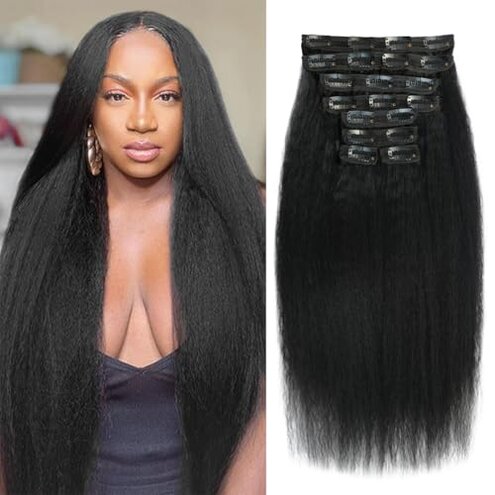
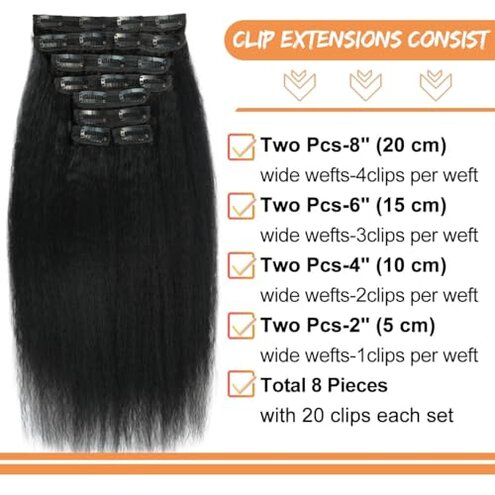
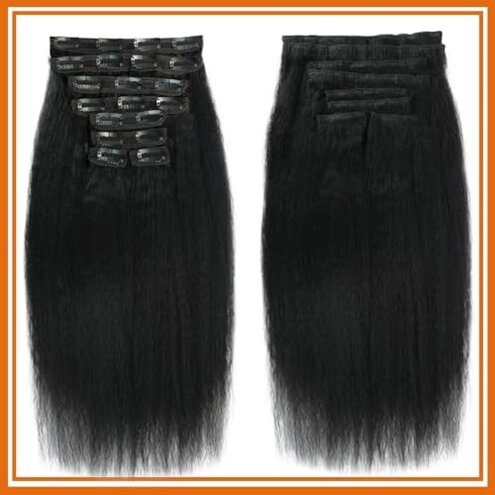
Product evaluated: Kinky Straight Clip ins 8Pcs 120g 14 Inch Clip in Hair Extensions Real Human Hair Yaki Straight Clipins for Black Women Full Head Brazilian Remy Hair Extensions Double Weft 20 Clips
Related Videos For You
KINKY STRAIGHT CLIP IN HAIR EXTENSIONS. From Amazon vendor MIHUGASS HAIR. #clipins #bundles #clip
How To Clip In and Blend Hair Extensions With Short Hair | Luxy Hair
Data basis: This report uses dozens of buyer comments gathered from written feedback and short video-style demonstrations collected across recent months. Most usable detail came from written reviews, with visual support from demo-style posts that helped confirm how the hair looks during installation and daily wear.
| Buyer outcome | This product | Typical mid-range alternative |
| Full-head coverage | Often needs extra packs for a fuller result, especially after blending. | Usually gives more coverage per set at a similar length. |
| First-use blending | Less forgiving if your natural hair density or texture does not match closely. | More likely to blend with basic styling and less trial-and-error. |
| Daily upkeep | Higher-than-normal risk of added maintenance if you want the hair to stay smooth and natural-looking. | Usually needs moderate upkeep, but not as much effort to stay presentable. |
| Clip comfort | Can feel noticeable during longer wear if placed for full coverage. | Often easier to spread weight for all-day wear. |
| Regret trigger | Buyers expect one set to look full enough, then realize the result can look thin without extra buying. | Regret is less often tied to hidden add-on cost. |
Why does it still look thin after clipping everything in?
This is a primary issue. The most common regret moment happens on first install, when buyers expect a full style and get more of a light volume boost. That trade-off feels worse because the set can work, but only after extra buying or careful blending.
The pattern appears repeatedly. It shows up right after setup, especially when trying to cover a full head with one set. Compared with a typical mid-range option, this is more frustrating because the category baseline is at least decent fullness from one standard set.
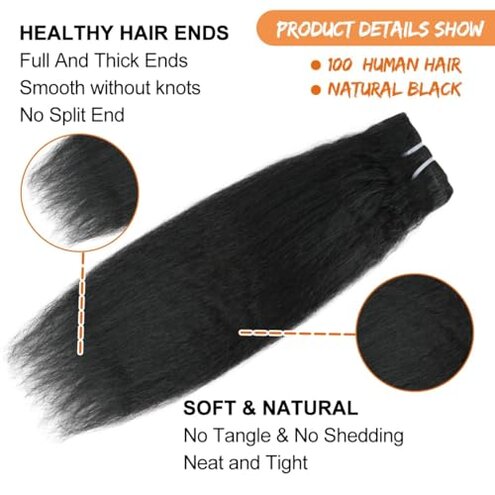
- Early sign: The ends can look piecey once all sections are clipped in and brushed together.
- Frequency tier: This is the primary complaint, and it is more disruptive than expected for clip-in extensions.
- When it hits: The problem shows up during first styling, especially when you part hair in multiple sections for natural coverage.
- What worsens it: It gets more obvious if your own hair is thick or if you want length and fullness at the same time.
- Hidden requirement: Many buyers will need 2 packs, and some may want 3 packs for a thicker result, which adds cost fast.
- Why this exceeds baseline: Most mid-range sets are still expected to feel usable alone, even if not salon-full.
- Fixability: You can improve the look with layering and strategic placement, but that adds time and skill many casual buyers did not plan for.
Illustrative: “I clipped in every piece, and it still looked too light.”
Pattern: This reflects the primary fullness complaint.
Are you signing up for more upkeep than you expected?
- Pattern: This is a secondary issue, but persistent enough to matter for daily or frequent wear.
- When it starts: The extra work usually shows up after early wears, once brushing, styling, and washing enter the routine.
- Why buyers notice it: The hair can need ongoing smoothing to keep a polished look instead of a dry or puffy look.
- Worse conditions: It becomes more noticeable with frequent handling, repeated clipping, and heat styling.
- Category contrast: All clip-ins need care, but this can feel less forgiving than typical mid-range alternatives because appearance drops faster without maintenance.
- Time cost: The hidden drag is not one repair step, but repeat effort before going out.
- Buyer impact: That turns a quick beauty shortcut into something closer to a routine project.
Illustrative: “It looks nice, but I have to keep working with it.”
Pattern: This reflects a secondary upkeep complaint.
Do the clips become noticeable during longer wear?
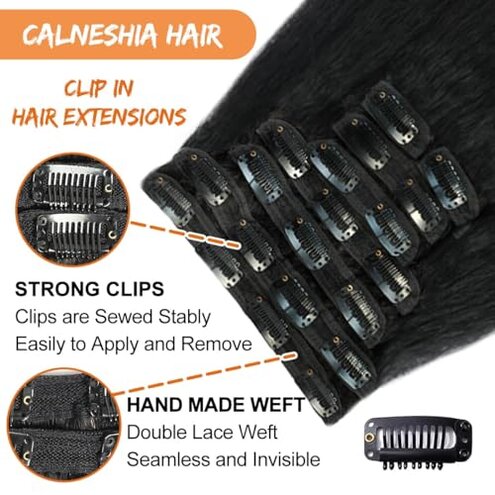
This is not universal. Still, it is a recurring frustration when buyers try to use all pieces for fuller coverage. The trade-off is simple: to get enough volume, you may need placement that feels more obvious on the scalp.
It tends to show up after setup and during longer wear sessions, not just in the mirror test. Compared with many mid-range clip-ins, that comfort penalty feels worse because adding more pieces is already common with this set.
- Frequency tier: This is a secondary issue, less frequent than thinness but more frustrating when it happens.
- Usage moment: Buyers notice it during all-day wear or after moving pieces around to improve coverage.
- What worsens it: It can get worse if you need more sections to hide gaps or blend shorter natural hair.
- Cause in plain terms: More visible effort to create fullness can mean more scalp pressure and more awareness of the clips.
- Real-world effect: Instead of forgetting you are wearing extensions, you may keep adjusting them.
- Fixability: Better sectioning can help, but it requires practice and enough natural hair to conceal the clips well.
Illustrative: “I could feel the clips more once I used enough pieces.”
Pattern: This reflects a secondary comfort issue.
Will the texture look natural without a lot of styling?
- Pattern: This is an edge-case issue for close texture matches, but a recurring complaint when the buyer expects easy blending.
- When it appears: The problem shows up at first wear, especially around the ends and leave-out area.
- Why it matters: If the blend is slightly off, the hair can look more like an add-on than part of your style.
- What worsens it: It gets harder when your natural hair is much denser, more textured, or cut in a very different shape.
- Category contrast: Texture matching is always tricky, but this feels worse than expected because buyers often choose this style for a natural blend with less effort.
- Hidden requirement: You may need extra trimming, heat styling under 250F, or more leave-out management than expected.
- Cost of that fix: The product can become less convenient for people who wanted a quick install solution.
- Who feels it most: Buyers without prior clip-in experience may find the learning curve steeper than normal.
Illustrative: “The texture was close, but not close enough without extra styling.”
Pattern: This reflects an edge-case blending complaint.
Who should avoid this
- Avoid it if you expect one set to give a clearly full-head result without buying extras.
- Avoid it if you want a low-effort style for frequent wear, because upkeep can add more time than typical.
- Avoid it if clip comfort matters during long days, especially if you usually need many pieces for coverage.
- Avoid it if you need a near-perfect blend with very little styling, because the texture match can be less forgiving.
Who this is actually good for
- Good fit for buyers who only want a volume boost, not a dramatic full-head transformation from one pack.
- Good fit for people already comfortable with sectioning and blending, since they can work around the thinner look more easily.
- Good fit if you wear clip-ins only for short events, where comfort and upkeep matter less.
- Good fit for shoppers willing to buy multiple packs and treat the listed set as one layer, not the whole solution.
Expectation vs reality
Expected: One set should give a reasonable full look for this category.
Reality: Here, the common regret is that one set can act more like a starter layer than a full result.
Expected: Clip-ins should save time compared with longer-term installs.
Reality: This can still save salon time, but the maintenance and blending work may be higher than expected.
Expected: Texture-focused clip-ins should blend with basic styling.
Reality: Buyers with denser or differently shaped hair may need extra shaping and careful leave-out management.
Safer alternatives
- Choose higher weight sets first if your main concern is thinness, because that directly reduces the hidden need for extra packs.
- Look for fuller ends in buyer photos or demos, since thin-looking ends are often the first sign of disappointing coverage.
- Prioritize comfort-focused clips if you wear extensions all day, especially when you usually need many wefts for blending.
- Match by density, not just texture name, because density mismatch is what often makes clip-ins look obviously added.
- Buy for your routine, not just first-day appearance, if you want low upkeep and do not plan to restyle often.
The bottom line
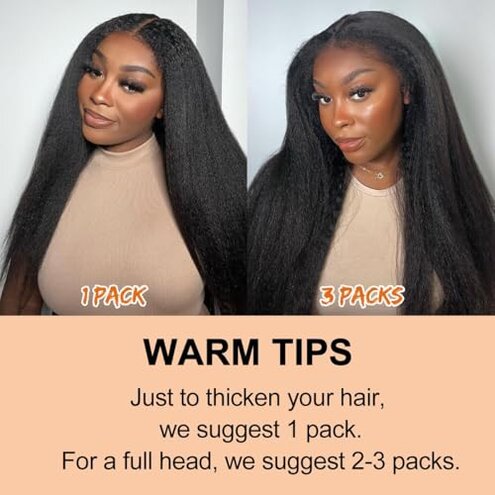
The main regret trigger is paying for one set and then realizing it may not look full enough without buying more. That exceeds normal category risk because clip-ins at this level are usually expected to be more usable on their own.
If you want easy fullness with minimal styling, this is one to skip. It makes more sense only for buyers who accept extra packs, extra blending work, and some comfort trade-offs.
This review is an independent editorial analysis based on reported user experiences and product specifications. NegReview.com does not sell products.