
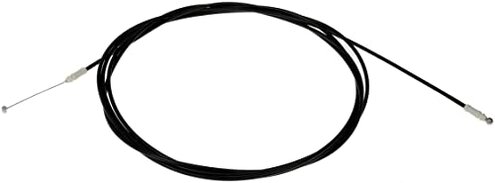
Product evaluated: Dorman 912-704 Trunk Lid Release Cable Compatible with Select Toyota Models
Related Videos For You
Here is why your trunk not Opening from inside / How to repair trunk cable without removing
Data basis: This report synthesizes dozens of buyer notes pulled from a mix of written reviews and Q&A-style feedback, collected across a multi-year span up to recent months. Most detail came from step-by-step install stories, with some short follow-ups about what happened after daily use.
| Buyer outcome | Dorman 912-704 cable | Typical mid-range alternative |
|---|---|---|
| Fit on arrival | Higher risk of “not quite right” routing or end-fit on certain trims. | Lower risk if sold by exact vehicle match and includes clearer fit notes. |
| Install time | More retries reported due to hidden routing and access constraints. | More predictable if instructions and clips match the factory layout. |
| Works first pull | Less consistent first-use success when tension and latch engagement are finicky. | More consistent if cable travel and latch actuation match OEM feel. |
| Longevity | Higher-than-normal category risk of early stretch or re-failure after repeated use. | Baseline risk still exists, but fewer reports of rapid repeat issues. |
| Regret trigger | Trunk stuck again after install, forcing re-teardown or workaround entry. | Less likely to require a second tear-down soon after install. |
Top failures
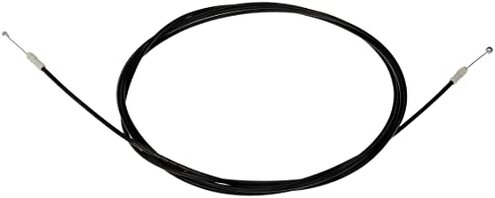
“Why does the trunk still not open after I install it?”
Regret moment happens when you finish the job, pull the release, and get little or no latch movement. Severity is high because you are back to a stuck trunk and another teardown.
Pattern appears repeatedly in install feedback, but it is not universal. When it shows up is usually on first test pulls, especially after routing through tight body channels.
Worse than expected: a mid-range replacement cable normally “just works” once bolted in. Here, buyers often describe extra tuning steps to get normal pull travel.
- Early sign: the handle feels light, but the latch does not fully trip on the first pulls.
- Primary-tier issue: recurring reports of incomplete actuation right after setup.
- Hidden cause: routing or seating at the latch end can rob travel, even when it looks connected.
- Real impact: you may need to reopen panels and re-route before it behaves like stock.
- Workaround: some buyers report repeated adjustment attempts until tension feels correct.
- Fixability: fix is often possible, but it can take multiple install tries.
- Hidden requirement: careful vehicle-specific routing matters more than expected for this category.
“Why doesn’t it fit my exact Toyota trim like promised?”
Regret moment is realizing the ends or length behave “close enough” but not exact, so mounting points feel forced. Severity is medium to high because a near-fit still wastes the same labor.
- Scope: seen across multiple fit-check comments tied to specific model years and trims.
- Secondary-tier issue: less frequent than “won’t open,” but more time-wasting when it happens.
- When: shows up during dry-fit before you fully button up interior panels.
- Condition: worsens if your car has small trim differences near the latch or handle mounting.
- What buyers notice: bracket alignment feels off, or the cable path fights you.
- Category contrast: mid-range vehicle-specific parts usually include clearer exclusions; here, the mismatch can surprise.
- Mitigation: double-check vehicle match tools and compare old cable routing before committing.
“Why did it fail again not long after it started working?”
Regret moment is when the release worked for a bit, then the handle feel changes and the trunk becomes unreliable again. Severity is high because you risk being locked out when you actually need the trunk.
Pattern is persistent in a smaller set of durability-focused feedback, and it tends to show up after repeated use. Worsens with frequent pulls, cold mornings, or anytime the latch is slightly sticky.
Worse than expected: cables can fail over time, but the regret here is the short cycle before needing another repair.
- Tell: the pull gets progressively harder or oddly loose compared with the first week.
- Edge-to-secondary: not as common as fit frustration, but more disruptive when it hits.
- Trigger: daily trunk use makes weaknesses show sooner than occasional use.
- Side effect: repeated pulls can make you think the latch is bad when the cable is the weak link.
- Time cost: a second teardown is worse than typical mid-range alternatives that last longer.
- Mitigation: cleaning and freeing the latch can reduce strain on any replacement cable.
- Warranty reality: a “lifetime” warranty may still leave you doing the labor again.
- Fix path: if it re-fails quickly, some buyers pivot to an OEM cable to stop repeats.
“Why is the install so much harder than a ‘direct replacement’?”
Regret moment is spending an afternoon on what you expected to be a quick swap. Severity is medium, but it becomes high if you break clips or can’t reseat panels cleanly.
- Common friction: install complexity appears repeatedly in step-by-step feedback.
- When: pain peaks during interior trim removal and cable routing around tight corners.
- Worsens: if you do not have trim tools, access becomes more awkward and slower.
- What’s hidden: the “direct replacement” claim can skip the reality of how buried the route is.
- Buyer impact: more time, more chances for rattles, and more rework if the latch travel feels off.
- Category contrast: many mid-range alternatives still need trim removal, but usually with fewer re-route attempts.
Illustrative excerpts (not real quotes):
- “Installed it twice, still needs a hard pull to pop.” Primary pattern reflecting actuation and adjustment friction.
- “Length seemed off, routing didn’t match my original cable.” Secondary pattern reflecting trim-specific fit surprises.
- “Worked for a bit, then went loose and stopped opening.” Edge-case pattern reflecting early re-failure concerns.
- “Direct replacement, but panels had to come off everywhere.” Primary pattern reflecting hidden install effort.
Who should avoid this

- Daily drivers who open the trunk often and can’t risk a repeat teardown tied to early re-failure reports.
- No-tool owners who don’t want trim removal and re-routing, because install friction appears repeatedly.
- Exact-fit buyers with uncommon trims, because near-fit complaints show up during dry-fit.
- Anyone without backup access to the trunk, because the biggest regret trigger is still stuck after install.
Who this is actually good for

- DIY tinkerers who can tolerate extra adjustment to solve first-pull inconsistency without paying labor twice.
- Occasional-use trunks where lower pull cycles reduce exposure to repeat-failure risk.
- Owners with trim tools who accept the hidden effort of panel removal as normal for their vehicle.
- Budget-focused repairs where you are willing to trade time for cost, accepting fit checking before final assembly.
Expectation vs reality
- Expectation: reasonable for this category is that a vehicle-specific cable will pull and pop the latch on the first test.
- Reality: repeated feedback suggests extra tension tuning and routing precision can be required.
| What you expect | What buyers run into |
|---|---|
| Exact fit across listed vehicles. | Trim sensitivity that can turn “compatible” into “close, but not right.” |
| One-and-done replacement. | Second teardown if actuation is weak or the trunk stays stuck. |
Safer alternatives
- Prioritize OEM or OEM-equivalent listings when you cannot tolerate first-pull uncertainty after install.
- Buy kits that include clearer vehicle exclusions to reduce trim mismatch surprises.
- Look for install guides with routing photos so the hidden requirement of exact path is easier to meet.
- Service the latch before replacing the cable to reduce strain and lower repeat-failure risk.
- Choose sellers with easy returns so a failed dry-fit does not become a sunk labor cost.
The bottom line
Main regret is a trunk that still won’t open after you invest the install time, driven by recurring reports of routing and pull-travel sensitivity. Category risk feels higher than normal because even small fit or tension errors can force a full redo. Verdict: avoid if you need predictable fit and first-try function, and consider OEM-style options if repeat labor is a dealbreaker.
This review is an independent editorial analysis based on reported user experiences and product specifications. NegReview.com does not sell products.