
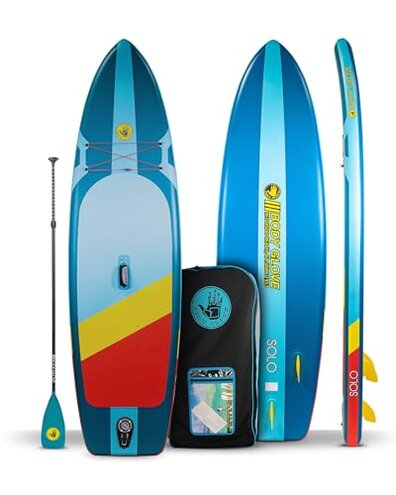
Product evaluated: FEATH-R-LITE Inflatable Stand Up Paddle Board 10'x30''x6'' Ultra-Light (16.7lbs) SUP with Paddleboard Accessories,Three Fins,Adjustable Paddle, Pump,Backpack, Leash
Related Videos For You
How To: Patch an Inflatable SUP Board
How to Install Stand Up Paddleboard (SUP) Fins
Data basis: This report reflects dozens of aggregated buyer feedback collected from written reviews and star ratings, with some details supported by Q&A-style buyer notes. The collection window spans 2022–2026. Most signals came from longer written comments, with shorter ratings used to confirm how widespread specific complaints were.
| Buyer outcome | FEATH-R-LITE SUP | Typical mid-range SUP |
|---|---|---|
| Out-of-box readiness | Less predictable due to recurring setup and accessory complaints. | More consistent basics, with fewer “missing or off” reports. |
| Air-holding confidence | Higher-than-normal risk of slow leaks or valve annoyance, which is more disruptive than minor cosmetic issues. | Moderate risk of small leaks, but less often tied to first-week regret. |
| Tracking and stability | Mixed control when fins or fin fit are problematic, especially in wind or chop. | More forgiving fin systems that stay aligned with less fiddling. |
| Portability experience | Can disappoint when bag durability or packing ease falls short. | Usually smoother carry and storage with sturdier bags. |
| Regret trigger | Session-ending air loss or a fin/valve problem after setup. | Session-friction issues like minor pump annoyance, not total stoppage. |
Top failures
“Why is it losing air after I inflate it?”
The regret moment is packing the car, pumping to the target pressure, and noticing it softening mid-session. That kind of failure is more disruptive than most SUP complaints because it can end the day on the water.
This pattern appears repeatedly in feedback, though it is not universal. It often shows up on first use or within the first few outings, and worsens during long sessions when the board needs to stay rigid.
Category contrast: Any inflatable can leak, but mid-range boards usually fail more slowly or later. Here, buyers more often describe early confidence loss, which creates fast regret.
Hidden requirement: You may need extra time and tools for leak-finding and valve checks before you trust it for a full outing.
- Early sign is noticeable softness after a short paddle, even when you started at the recommended pressure.
- Primary pattern is slow air loss tied to valve area concerns, reported as recurring rather than one-off.
- Setup moment is where it hits, because the board can feel fine at home and then soften on the water.
- Impact is reduced stability, which makes balancing and turning feel harder than expected.
- Fix effort commonly includes soapy-water checks and re-seating the valve, which adds extra steps versus most mid-range options.
- Not always fixable is the buyer experience, because some reports imply returns rather than simple adjustments.
- Mitigation is a full inflation test and a 30–60 minute wait before leaving, which reduces surprise failures.
- Illustrative: “It was firm at launch, then felt spongy halfway through.” Primary pattern signal.
“Why won’t the fin fit right or stay put?”
- Most annoying reports describe fin alignment or fit issues that show up after setup, not months later.
- Recurring pattern appears repeatedly where buyers mention fiddly fin boxes or fins that do not seat cleanly.
- Water condition makes it worse in wind or small chop, because poor tracking becomes obvious fast.
- Category contrast is that mid-range boards usually have “set it and forget it” fin installs, with less trial-and-error.
- Performance hit is more zig-zagging, which costs energy and makes beginner progress feel slower.
- Workaround can involve repeated reinstall attempts and careful cleaning of sand, which adds time at the launch.
- Hidden cost is that some buyers consider swapping fins, which is extra spending and compatibility research.
- Illustrative: “The fin kept feeling loose, and the board wouldn’t track straight.” Secondary pattern signal.
“Is the included pump and paddle actually usable?”
- Common frustration is accessory quality feeling like the weak link, even when the board itself looks fine.
- Recurring theme shows up during first setup, when the pump effort and paddle feel become obvious.
- Use context is inflating to 12–15 psi, where buyers notice time, effort, or gauge confidence issues.
- Category contrast is that mid-range kits still include basic gear, but buyers expect it to be reliable for a season.
- Effort spike is more pumping fatigue than expected, which can discourage spontaneous short sessions.
- Confidence gap happens when the pressure reading feels inconsistent, leading to under-inflation and worse stability.
- Mitigation is budgeting for a better pump or paddle if you want repeat outings without hassle.
- Illustrative: “The board seems fine, but the pump and paddle feel cheap.” Secondary pattern signal.
“Why is packing it back up such a pain?”
- Less frequent but persistent complaints focus on bag durability or how hard it is to repack neatly.
- Timing is after your first wet session, when sand, moisture, and fatigue make packing harder.
- Category contrast is that many mid-range boards still pack awkwardly, but buyers report this kit feeling less forgiving.
- Impact is extra cleanup time, plus more wrestling with straps and zippers than expected.
- Workaround is air-drying longer and rolling more carefully, which adds planning time at home.
- Illustrative: “Getting it back in the bag took longer than the paddle.” Edge-case pattern signal.
Who should avoid this
- First-timers who need a board that “just works” on day one, because early leak and fin fit signals are more common than ideal.
- Long-session paddlers who hate monitoring firmness, because slow air loss risk is more session-ending than typical kit annoyances.
- Windy-water users who rely on consistent tracking, because fin-related complaints can amplify control problems.
- Minimalists who do not want upgrades, because recurring accessory dissatisfaction can push you into buying a better pump or paddle.
Who this is actually good for
- Budget shoppers who accept doing a pre-trip inflation test, because they can tolerate the leak-check routine.
- Occasional users doing short, calm-water outings, because smaller sessions reduce the pain of minor air loss or tracking quirks.
- DIY-minded owners who already have a better pump or paddle, because they can bypass the most complained-about accessories.
- Car-based paddlers who can bring extra gear, because they can carry patch tools and spend more time on setup.
Expectation vs reality
Expectation: A mid-range inflatable SUP may need careful inflation and rinsing, which is reasonable for this category.
Reality: The more repeated issue is trust, because early air-holding or valve complaints can force troubleshooting before you feel safe going far.
| What you expect | What can happen |
|---|---|
| Easy setup with included parts. | Extra fiddling with fins, plus added checks before the first real trip. |
| Stable ride once inflated. | Softening feel mid-session if you get a leak-prone unit. |
| Usable kit to avoid upgrades. | Accessory swapping becomes tempting if the pump or paddle disappoints. |
Safer alternatives
- Prioritize boards with strong “holds air for days” feedback, because it directly reduces the leak-driven regret trigger.
- Choose a fin system with repeated “secure fit” comments, because tracking issues often start with a loose or finicky install.
- Buy a package known for a reliable pump and gauge, because inflation friction is a common early-exit reason.
- Look for consistent bag durability notes, because packing pain shows up after wet, sandy sessions.
- Test at home before your first trip, because early defects are more likely to appear during first inflation than later.
The bottom line
Main regret trigger is early loss of firmness, because it turns a simple outing into troubleshooting. That risk is higher-than-normal for the category when combined with recurring fin and accessory complaints. If you want a kit you can trust without extra checks or upgrades, avoid and pick a mid-range option with stronger air-hold consistency.
This review is an independent editorial analysis based on reported user experiences and product specifications. NegReview.com does not sell products.