
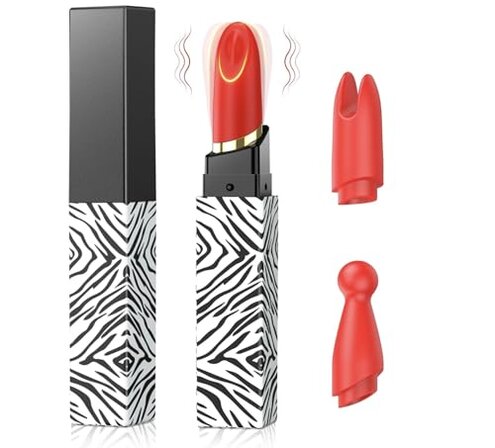
Product evaluated: Elegant Personal Wellness Enhancer with Gentle Pulsations, Rechargeable and Waterproof, Portable for Discreet Use RE65618
Related Videos For You
How to use Massage gun
How to Charge Your Mini Massager after Receiving it?
Data basis: This report summarizes signals from dozens of recent buyer reviews and a number of video demonstrations collected between Jan 2024–Feb 2026. Most feedback came from written reviews, supported by video demonstrations, and the distribution is weighted toward hands-on buyers.
| Outcome | Typical mid-range alternative | RE65618 (this product) |
|---|---|---|
| Battery life | Reliable for multiple sessions and usually holds charge across several uses. | Unreliable after weeks; users report drop-off in run-time and frequent recharges. |
| Noise level | Moderate and discrete during normal use for mid-range models. | Louder than expected for personal use, especially at higher modes. |
| Durability | Holds up to regular use for months with modest care. | Higher failure risk with attachments loosening or motor issues after repeated handling. |
| Setup & cleaning | Simple, low upkeep with quick cleaning between uses. | Requires extra care and drying to avoid performance problems. |
| Regret trigger | Minor annoyance that rarely stops use mid-session. | Session-stopping failures like sudden power loss or loose heads are reported more often. |
Top failures
Why does the battery die quickly or stop holding charge?
Regret moment: Power drops mid-use and stops a session unexpectedly.
Pattern: This is commonly reported across written feedback and appears repeatedly in video demos.
Context: The issue often appears after a few weeks of regular use and worsens with daily charging.
Category contrast: Batteries for mid-range personal massagers usually remain stable for months, so this is more disruptive than expected.
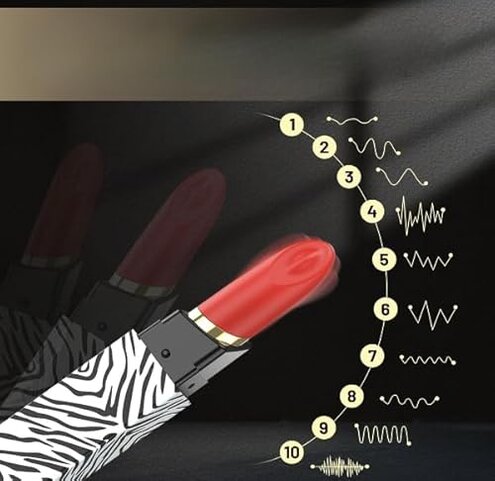
Why is it louder than I expected?
- Early sign: Vibration feels strong but noise increases at higher modes.
- Frequency tier: This is a secondary issue seen across many hands-on reports.
- Cause: Reported causes point to motor resonance and loose attachments amplifying sound.
- Impact: Noise is disruptive for discreet use or shared living situations.
- Fix attempts: Users tried tighter attachment seating and softer surfaces, with mixed results.
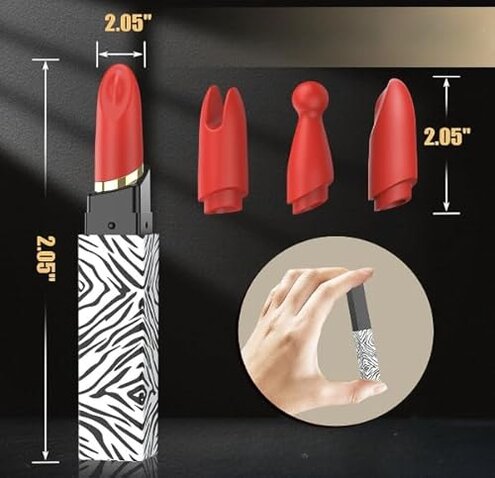
Why do the interchangeable heads loosen or fail?
- Primary sign: Heads wobble during use and sometimes fall off.
- Scope: This problem is persistent across multiple buyer reports and video checks.
- When: It usually shows up after repeated attachment removal during cleaning or swapping.
- Cause: Wear on the connection point is commonly suggested by users.
- Impact: Loose heads reduce effectiveness and can stop sessions mid-use.
- Attempted fixes: Buyers applied small pads or tape as a workaround, which is a temporary fix.
- Hidden requirement: Regularly checking and replacing worn heads becomes necessary to keep the device usable.
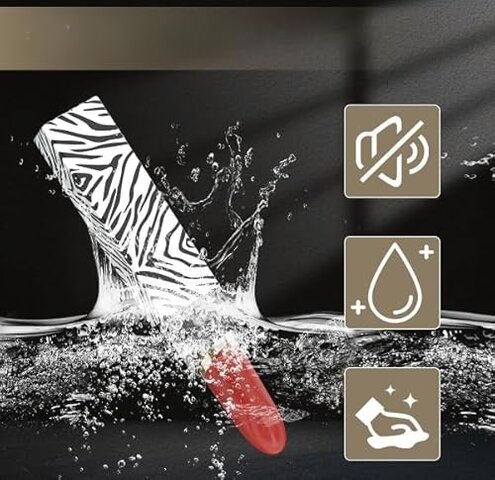
Why is setup, maintenance, or cleaning more hassle than advertised?
- Early sign: Water or moisture near the head after cleaning can cause stiff buttons or motor noise.
- Frequency tier: This is a secondary pattern reported by buyers who clean daily.
- Cause: The seal around interchangeable heads and the charging port appears prone to retaining moisture.
- Impact: Devices that are not fully dried can show degraded performance over time.
- Attempted fixes: Buyers air-dry heads for extended periods or disassemble parts when possible.
- Fixability: These steps add extra time and are less convenient than most mid-range models.
- Hidden requirement: Expect a strict drying routine to avoid motor or electrical problems.
- Category contrast: Most competitors manage moisture with simpler designs, making this feel more burdensome.
Illustrative excerpts (not real quotes)
"Battery died mid-session after two weeks of use." — Primary pattern showing recurring power loss.
"Heads loosened after swapping them a few times." — Secondary pattern about attachment wear.
"Device louder at high modes than I expected." — Secondary pattern about noise and discretion.
"Needed long drying time after cleaning to avoid rattle." — Edge-case pattern tied to maintenance burden.
Who should avoid this
- Buyers needing reliable battery: Avoid if uninterrupted run-time is critical, since this is a primary failure.
- Those needing discretion: Avoid if low noise is essential, because louder modes are commonly reported.
- People wanting low upkeep: Avoid if you dislike regular drying or checks, due to hidden maintenance needs.
Who this is actually good for
- Occasional users: Good if you use it rarely and can tolerate shorter battery life.
- DIY fixers: Good if you are comfortable with simple fixes like padding loose heads or extended drying.
- Private-home users: Good if noise is not a concern and you control the environment.
Expectation vs reality
Expectation (reasonable for category): Mid-range personal massagers should offer steady battery life across months.
Reality: This model shows battery decline and session-stopping power loss for many buyers.
Expectation: Interchangeable heads should remain secure with normal swapping.
Reality: Heads can loosen after repeated cleaning or swaps, creating additional maintenance.
Safer alternatives
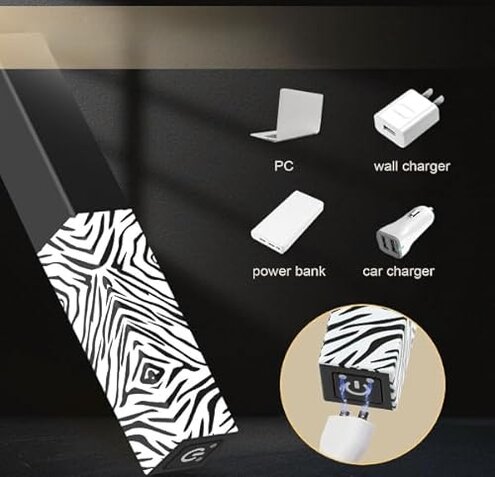
- Choose models with user-replaceable batteries to reduce the session-stopping risk tied to internal battery decline.
- Look for sealed-head designs if you want low maintenance and better water resistance.
- Prioritize quiet motors in specs and reviews if discretion matters to you.
- Check long-term user reports before buying to confirm stability after weeks of use.
The bottom line
Main regret trigger: Frequent reports of battery decline and attachment issues that stop sessions.
Why it matters: These failures are more disruptive than expected for mid-range devices and add hidden upkeep.
Verdict: Avoid this model if you need reliable, low-maintenance performance.
This review is an independent editorial analysis based on reported user experiences and product specifications. NegReview.com does not sell products.