
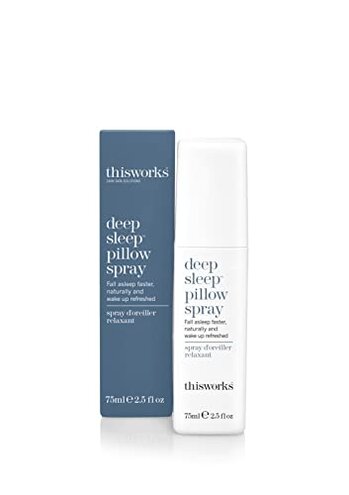
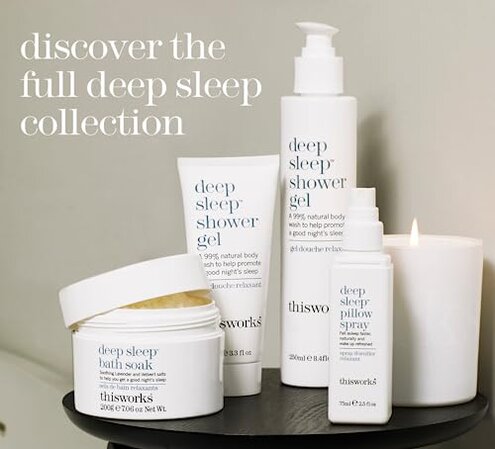
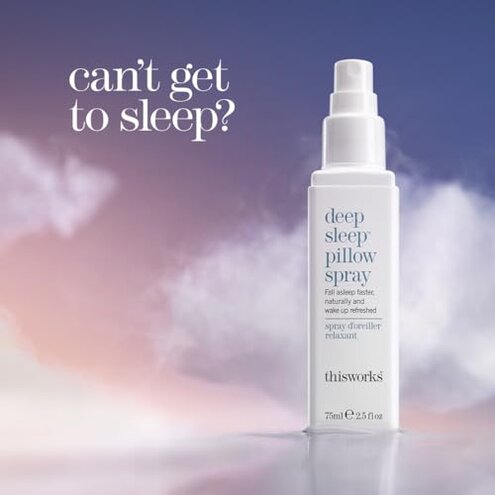
Product evaluated: thisworks Deep Sleep Pillow Spray: Natural Sleep 75ml, 2.5 fl oz
Related Videos For You
Do Pillow Sprays Really Work? The Truth Explained
Explaining How I Use the Dr. Teals Sleep Spray! #askjoche #sleephack #drteals #sleepspray #bedtime
Data basis: This report used dozens of written reviews and video demonstrations collected from product feedback between Jan 2017 and Feb 2026, with most feedback coming from written reviews supported by video demos.
| Outcome | thisworks Spray | Typical Mid‑Range Alternative |
|---|---|---|
| Sleep improvement | Inconsistent — commonly reported as helping some nights but failing on others. | More consistent — mid‑range options often show steadier results for regular users. |
| Scent irritation | Higher risk — several users report strong or headache‑triggering scent versus baseline. | Lower risk — many competitors use milder profiles or fragrance-free options. |
| Effect duration | Short‑lived — effects often need nightly reapplication to notice anything. | Longer — some alternatives give perceptible benefit across full night use. |
| Value | Costly per use — smaller bottle and frequent use increase real expense. | Better value — larger or longer‑lasting mid‑range sprays lower cost per night. |
| Regret trigger | Primary — inconsistent sleep benefit combined with strong scent leads to buyer regret. | Lower — mid‑range alternatives typically avoid both issues simultaneously. |
Top failures
Does it actually help you sleep?
Regret moment: Buyers commonly report nights where the product does nothing despite following directions, making it feel like a wasted purchase.
Pattern: This is a primary issue that appears repeatedly across feedback and is most noticeable on first use or during the first week of nightly use.
Context: The problem worsens when users expect a single nightly spritz to work for full‑night sleep, unlike some mid‑range sprays that offer steadier results.
Is the scent too strong or irritating?
- Early sign: Some users notice a sharp scent immediately after spraying and report mild headaches.
- Frequency tier: This is a secondary but persistent complaint across different reviewers and demos.
- When it shows up: Irritation appears on first use or in small, poorly‑ventilated rooms.
- Cause: The perceived intensity is worsened by spraying directly on pillows near the face.
- Impact: For sensitive users, the scent can reduce sleep quality instead of improving it.
Does the effect fade quickly or feel weak?
- Early sign: Users report the calming effect fades within hours and sometimes within minutes.
- Frequency tier: This is a primary pattern that appears repeatedly in nightly‑use reports.
- When it shows up: The weakness is obvious after a few hours of sleep or in the middle of the night when waking occurs.
- Cause: The need for frequent reapplication makes the product less convenient than expected.
- Attempts to fix: Buyers often try extra sprays, which increases cost per use and scent intensity.
- Fixability: Temporary — repeated application helps but brings the scent irritation risk.
Is it poor value for money?
- Value pain: Many find the 2.5 fl oz size too small given the need for nightly and sometimes extra sprays.
- Frequency tier: This is a secondary but common complaint in purchase and repurchase discussions.
- When it matters: The cost concern grows over weeks as replacement is needed more often than expected.
- Hidden requirement: Users discover a hidden need to spray both pillow and bedding to notice any benefit, doubling usage.
- Impact: Extra usage amplifies both the scent irritation risk and the cost problem.
- Attempts: Buyers try dilution or partial sprays, which lowers effectiveness.
- Category contrast: This makes it less economical than many mid‑range sprays that run longer per bottle.
Illustrative buyer phrasing (not real quotes)
"Sprayed every night but it rarely helped me sleep." — reflects a primary pattern.
"Scent gave me a headache in a small room." — reflects a secondary pattern.
"Had to reapply halfway through the night." — reflects a primary pattern.
Who should avoid this
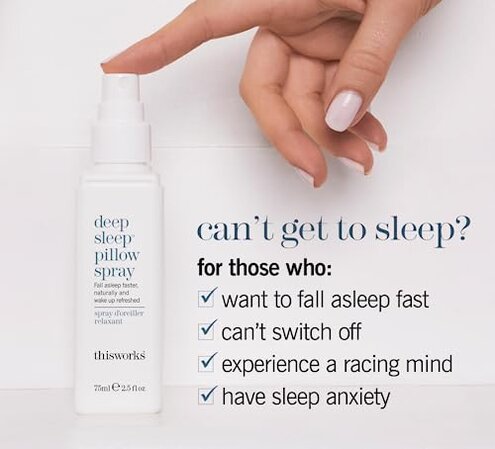
- Scent sensitive people: Avoid if you react to strong fragrances or get headaches from perfumes.
- Needing reliable results: Avoid if you want a product that works every night without trial and error.
- Budget trackers: Avoid if you need a low cost per night solution without frequent repurchases.
Who this is actually good for
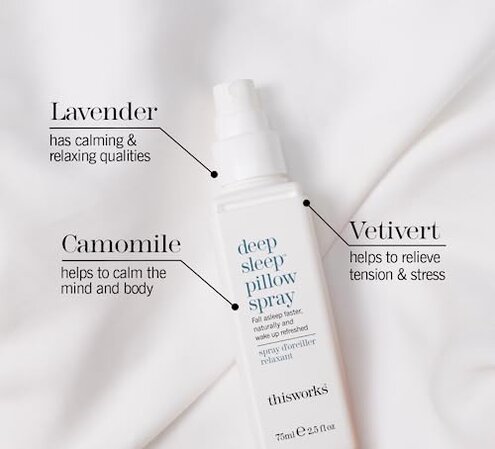
- Occasional users: Good for people who want a single‑night try or an occasional calming scent.
- Lavender fans: Works if you prefer a strong aromatic profile and tolerate fragrances well.
- Short‑term testers: Fine for buyers who accept reapplication and higher per‑use cost while evaluating sleep aids.
Expectation vs reality
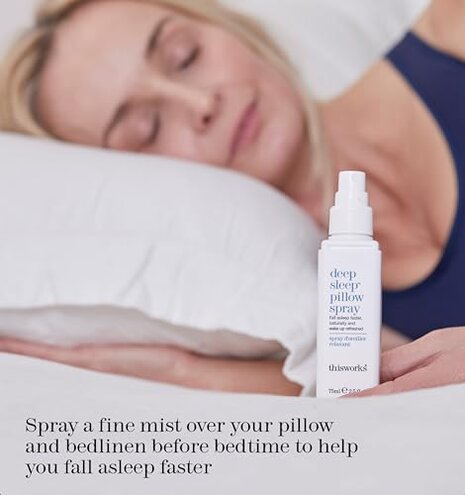
Expectation: Reasonable for this category is a single nightly spritz giving noticeable sleep help to most users.
Reality: Many users report the spray is inconsistent and often requires multiple sprays or bedding application, which increases smell and cost.
Safer alternatives
- Choose milder scents: Look for sprays labeled low‑fragrance or fragrance‑free to reduce irritation risk.
- Test sample sizes: Buy smaller or trial sizes first to check effect consistency before committing to a full bottle.
- Compare duration claims: Prefer products that state longer effect or clinical backing for overnight benefits.
- Check bottle size: Compare ounces to expected nightly use to avoid high per‑use cost.
The bottom line
Main regret: The biggest buyer pain is inconsistent sleep benefit combined with a scent that can irritate.
Verdict: If you need a reliable, low‑risk nightly sleep aid, avoid this option in favor of milder or longer‑lasting mid‑range sprays.
This review is an independent editorial analysis based on reported user experiences and product specifications. NegReview.com does not sell products.