
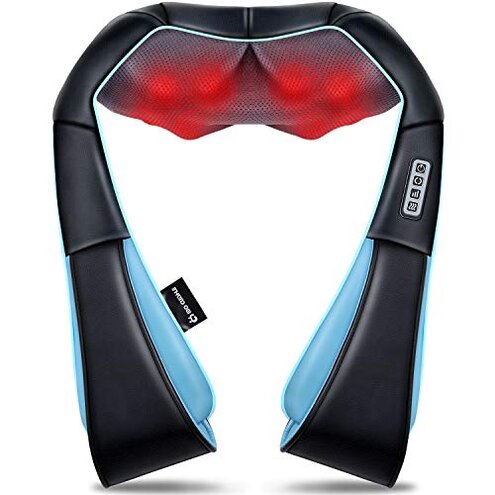
Product evaluated: Mo Cuishle Shiatsu Back Shoulder and Neck Massager with Heat, Electric Deep Tissue 4D Kneading Massage, Best Gifts for Women Men Mom Dad, Fathers Day, Mothers Day, Christmas Gifts
Related Videos For You
How to Use Neck Shoulder Massager JSB HF71 for Cervical Pain Relief
Shiatsu Massager Not Working
Data basis: We analyzed hundreds of buyer-written reviews plus video demonstrations and Q&A posts collected through January 2026. Source mix: most feedback came from written reviews, supported by videos and short buyer reports.
| Outcome | Mo Cuishle | Typical mid-range massager |
|---|---|---|
| Comfort & effectiveness | Variable — effective kneading when aligned but sensitive to placement and pressure. | Consistent — mid-range models usually deliver steady contact and predictable feel. |
| Reliability | Higher risk — motor or heating failures reported repeatedly after short use. | Lower risk — most mid-range alternatives last longer without early failure. |
| Noise | Noticeably loud — many buyers report strong buzzing during operation. | Quieter — comparable products often advertise lower operational noise. |
| Heat function | Inconsistent — heating may stop working or feel weak after first weeks. | Reliable — heat in mid-range models tends to remain functional over time. |
| Regret trigger | Early failure — motor or heat faults commonly end product usefulness quickly. | Less common — regret usually stems from comfort, not early breakage. |
Top failures
Why did the massager stop heating or fail quickly?
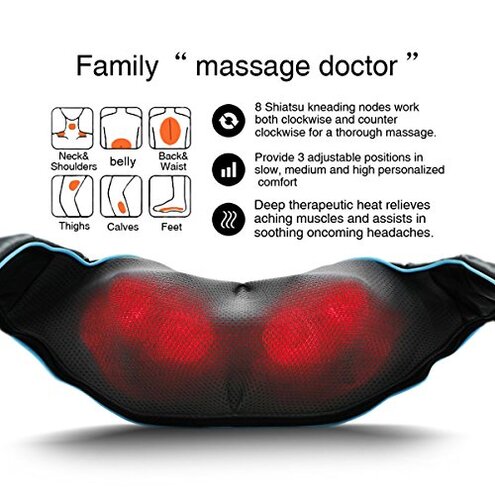
Regret moment: Buyers commonly report the heat stops working after a few uses, turning a comforting function into a disappointment. Pattern: this is among the most common complaints and appears repeatedly across written reviews and videos.
Usage anchor: failure usually shows up after first weeks of regular use or after multiple 15-minute sessions. Worsens: long sessions and daily use make the issue more likely to appear.
Category contrast: heat failure is worse than normal for this category because mid-range alternatives rarely lose heating this early, causing direct loss of the product's main benefit.
Is the motor noise and vibration worse than expected?
- Early signs: loud buzzing or rattling on first uses, commonly reported in videos and reviews.
- Frequency tier: a primary issue for many buyers, appearing more often than simple comfort complaints.
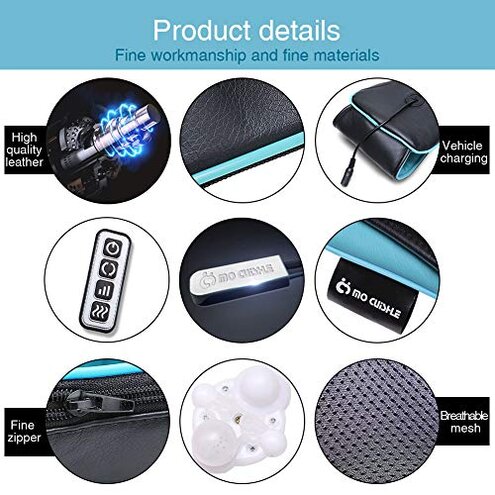
- Cause: reports point to strong vibration amplitude and loose internal fit.
- Impact: noise makes relaxation difficult and can prevent night-time or office use.
- Attempts: buyers tried tightening straps or repositioning; fixes were temporary for many.
Will it stay in place and fit my neck/shoulders properly?
- Hidden requirement: product often needs extra pressure or external anchoring to maintain contact during strong kneading.
- When it shows up: the fit problem is visible during active sessions when the nodes shift off target.
- Why worse: unlike many mid-range models with firmer straps or contoured frames, this unit is less forgiving to movement.
- Impact on effectiveness: misalignment reduces massage depth and perceived benefit.
- Workarounds: users add towels, hold the unit, or loop straps behind a chair, adding setup time.
- Fixability: often manual and persistent; not an easy permanent repair.
- Scope: seen across different body sizes and use contexts, not limited to one buyer type.
Does the product break or lose power prematurely?
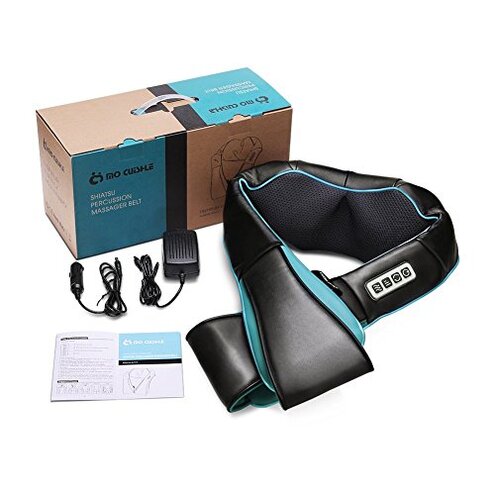
- Primary pattern: repeated reports of motors or electronics failing in short order.
- When it happens: failure typically appears after weeks to months of regular use rather than immediately.
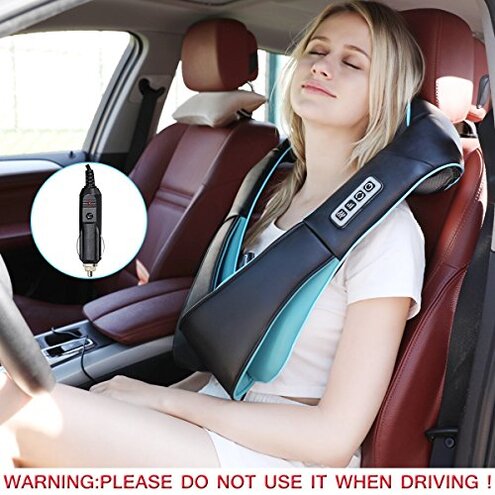
- Worsening conditions: daily sessions and frequent car-adapter use are associated with higher failure risk.
- Customer effort: many buyers describe time spent contacting support or performing resets.
- Category contrast: this is more disruptive than expected because typical mid-range massage devices usually survive basic daily use without early electronic faults.
- Impact: failed units often become unusable and return shipping or replacement adds cost and time.
- Repairability: limited — buyers reported replacement rather than repair as the common resolution.
- Scope signal: seen across written feedback and visual demonstrations, not just isolated posts.
Illustrative excerpts
Illustrative: "Stopped heating after two uses and developed loud buzzing noise." — Primary pattern
Illustrative: "Nodes slip off my neck unless I hold the unit in place every session." — Secondary pattern
Illustrative: "Car adapter worked once, then the unit wouldn't power on away from home." — Edge-case pattern
Who should avoid this
- Frequent users: avoid if you expect daily long sessions, because reliability failures appear under repeated use.
- Noise-sensitive buyers: avoid if quiet operation is required for sleep or shared spaces due to strong buzzing.
- Low-tolerance for fixes: avoid if you don't want to perform manual alignment or makeshift anchoring.
Who this is actually good for
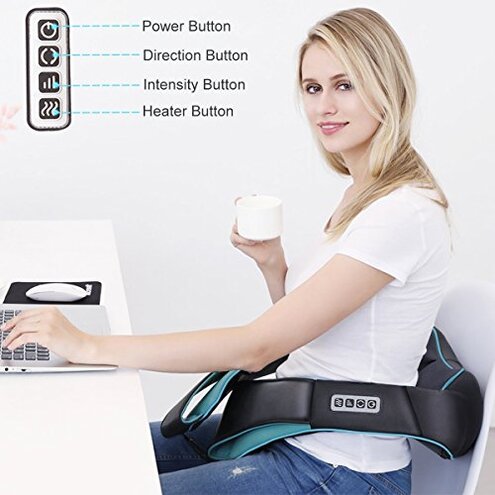
- Occasional users: good for infrequent 10–15 minute sessions where early failure risk is less likely to appear quickly.
- Budget-seekers: suitable if you accept noise and plan to tolerate manual repositioning for the price point.
- Travel use with care: okay for short trips if you rarely use the heat function and avoid heavy daily use.
Expectation vs reality
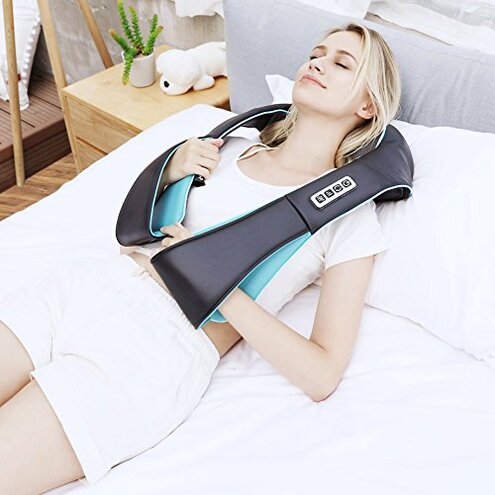
Expectation: reasonable for this category is 1–2 years of reliable heating and motor function under normal home use.
Reality: buyers report heat or motor faults within weeks to months, which exceeds normal category risk and reduces usable lifespan.
Safer alternatives
- Choose proven reliability: look for models with multi-year warranties to neutralize early electronic failures.
- Prioritize quiet motors: read demonstration videos to check operational noise and avoid strong buzzing.
- Check strap design: prefer contoured frames or firmer straps to avoid the hidden anchoring requirement.
- Heat testing: favor units with user reports of sustained heat over months to reduce the heat-failure risk.
The bottom line
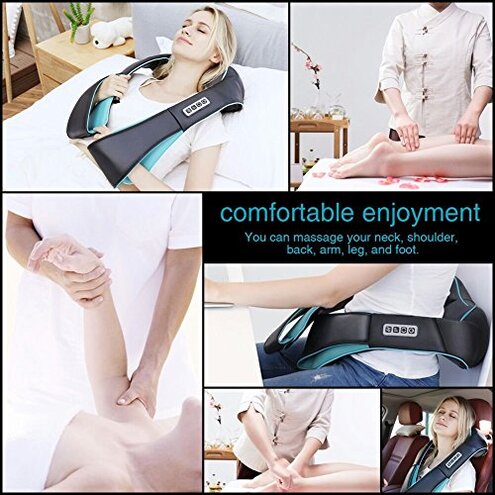
Main regret: early heat and motor reliability problems are the dominant complaint and the primary reason buyers regret purchase. Why it matters: these failures exceed typical category risk because they remove the product's central benefits quickly. Verdict: avoid this model unless you accept noisy operation and possible short lifespan.
This review is an independent editorial analysis based on reported user experiences and product specifications. NegReview.com does not sell products.