
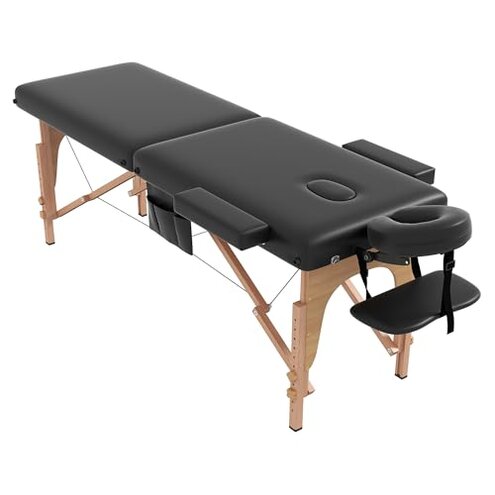
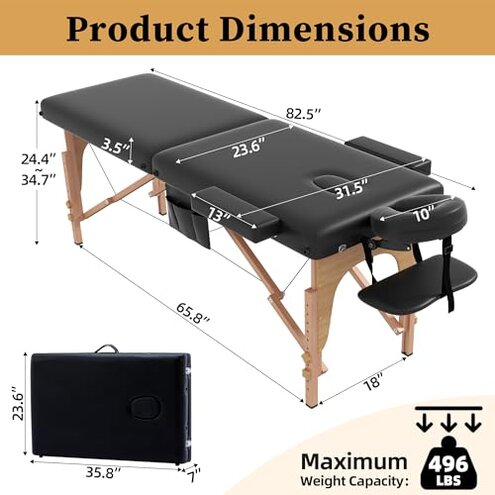
Product evaluated: civama Massage Table Massage Bed Portable, 29 LBs Light Weight 2 Section Foldable Tattoo Bed Facial Care Spa Lash Bed Height Adjustable Sturdy Wooden Frame with Accessories Carrying Bag, Black
Related Videos For You
How to Set Up a Comfortable Massage Table : Massage Therapy, Oils & Aromatherapy
EARTHLITE Portable Massage Table Review 2021 | EARTHLITE Harmony DX | Foldable PT Table
Data basis — This report aggregates feedback from dozens of written reviews and several video demonstrations collected between Jan 2022 and May 2024. Most feedback came from written reviews, supported by user videos, and a smaller portion from Q&A posts.
| Buyer outcome | civama table | Typical mid-range table |
|---|---|---|
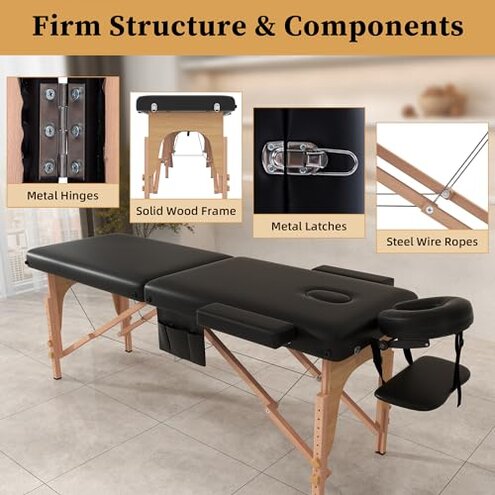
| Stability in use | Higher risk — noticeable wobble reported during massages and heavier clients. | Lower risk — mid-range models usually feel steady for similar use. |
| Height adjustments | Unreliable — knobs loosen and need retightening after setup. | More secure — peer models use sturdier hardware or locking pins. |
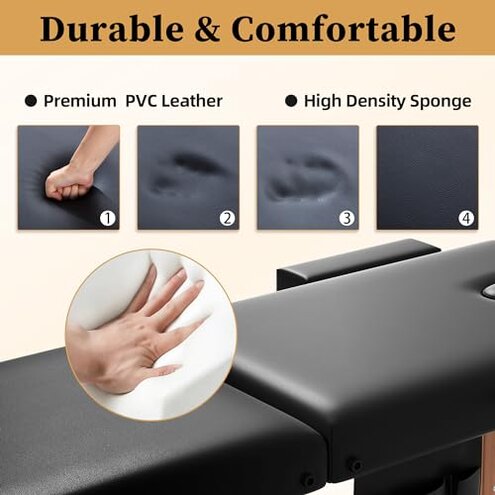
| Comfort & padding | Thin feel — 2" padding is softer but compresses faster in long sessions. | Balanced — typical mid-range offers thicker or denser padding for long use. |
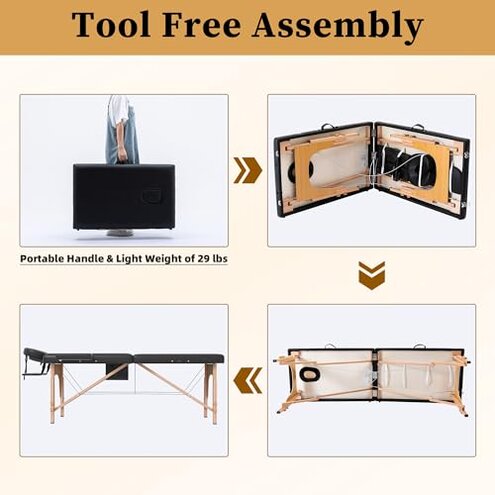
| Setup time | Quick — folds and sets up in a few minutes but needs extra checks. | Similar — quick setup common, but hardware feels more secure out of box. |
| Regret trigger | Stability + loose hardware — more disruptive than expected for frequent professional use. | Lower regret — mid-range choices tend to require less maintenance. |
Top failures
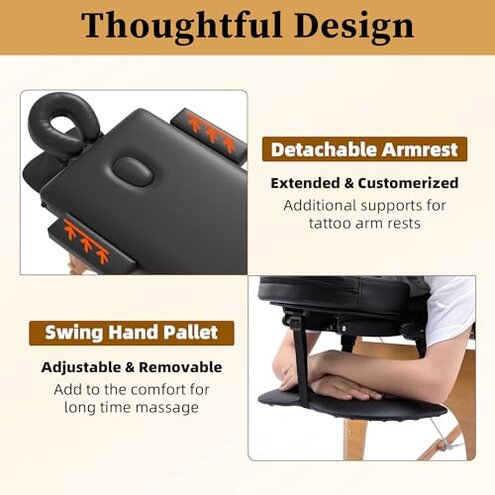
Is the table wobbling during a session?
Regret moment — Buyers report the table wobbles when a client shifts or during stronger techniques.
Pattern — This is a primary issue that appears repeatedly across reviews.
When — The wobble usually shows up during use, especially with longer sessions or heavier clients.
Category contrast — This feels worse than normal because mid-range tables typically remain steady without frequent adjustments.
Do the height knobs loosen or fail?
- Early sign — Knobs feel loose or shift after the first few uses.
- Frequency tier — This is a secondary issue seen commonly enough to expect retightening.
- Cause — Reports point to hand-tightened knobs that don't lock under repeated load.
- Impact — Unsecure height can change table level mid-session and interrupt client comfort.
- Attempted fixes — Buyers often retighten knobs or add washers; solutions are partial.
Will the padding hold up during long or daily use?
- Comfort sign — The 2-inch padding feels soft but compresses faster than expected.
- Durability tier — This is a secondary issue for daily professional use.
- Worsens — Padding sag appears after repeated use and long sessions.
- Cause — Users report lower-density feel rather than firm support for heavier clients.
- Impact — Reduced comfort over time forces extra towels or cushions to restore support.
- Fixability — Replacing padding or adding a thicker topper adds cost and effort.
Are there hidden upkeep or tool needs?
Hidden requirement — The table often needs frequent retightening and occasional hardware replacement to remain safe.
Pattern — This is a primary to secondary maintenance burden reported across feedback types.
- Early sign — You notice creaks or shifting after the first few sessions.
- Frequency tier — Less frequent than wobble but more persistent for daily users.
- Cause — Metal knobs and wooden frame interface needs monitoring under repeated load.
- Impact — Professionals spend extra time tightening or carrying a wrench to appointments.
- Hidden cost — Buying replacement knobs or a topper becomes an unexpected expense.
- Fixability — Fixes exist but they increase upkeep compared to category norms.
- When it worsens — Problems grow with daily handling or frequent travel.
Illustrative excerpts (not real quotes)
“Table wobbles when client turns; I retighten every visit.” — Primary pattern
“Knobs loosen after packing into the carry bag twice.” — Secondary pattern
“Padding felt fine first sessions, then sagged under heavier clients.” — Secondary pattern
Who should avoid this
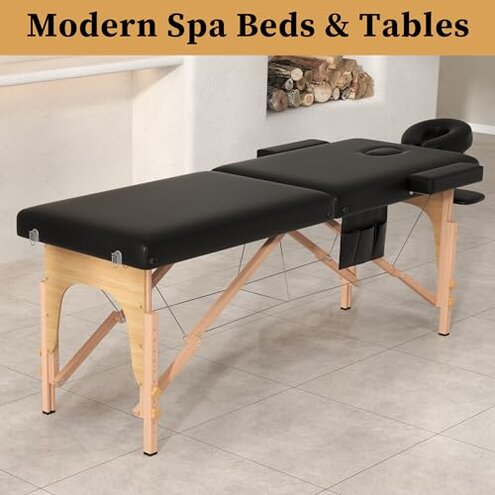
- Busy pros — If you run daily appointments, the extra upkeep and instability exceed normal tolerance.
- Heavy clients — If you regularly work with heavier clients, increased wobble and padding sag are risky.
- Mobile therapists — If you travel often, the need to retighten and carry tools is a real drawback.
Who this is actually good for
- Infrequent users — Home users who need a table for occasional use can accept retightening and lighter padding.
- Budget buyers — Shoppers on a tight budget who value low price over long-term durability.
- Careful handlers — If you can inspect and tighten hardware before each session, you can manage the issues.
Expectation vs reality
Expectation — A portable mid-range table stays stable and requires minimal upkeep.
Reality — This product often needs frequent adjustments and shows earlier padding wear than peers.
Safer alternatives
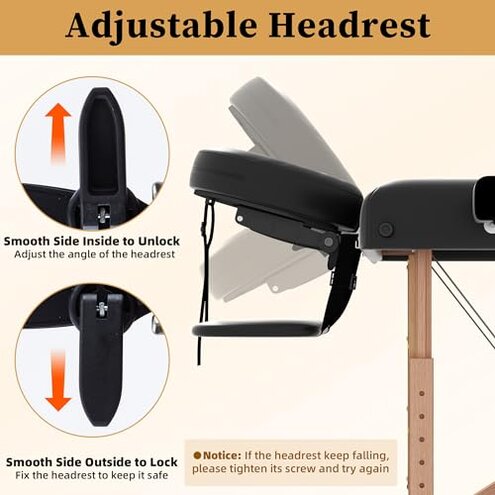
- Buy with locking pins — Choose tables with visible locking mechanisms to neutralize loose knob failures.
- Heavier frame — Prefer models with a reputation for stability if you handle heavier clients.
- Thicker padding — Look for tables with 3"+ foam or denser padding to avoid sag over time.
- Travel-tested — For mobile pros, pick options labeled pro travel or reinforced corners to reduce hardware loosening.
The bottom line
Main regret — The top buyer trigger is stability problems combined with loose adjustment hardware.
Why it matters — These issues create more upkeep and interruption than is normal for mid-range portable tables.
Verdict — Avoid this product if you need reliable stability and low maintenance for professional or heavy use.
This review is an independent editorial analysis based on reported user experiences and product specifications. NegReview.com does not sell products.