
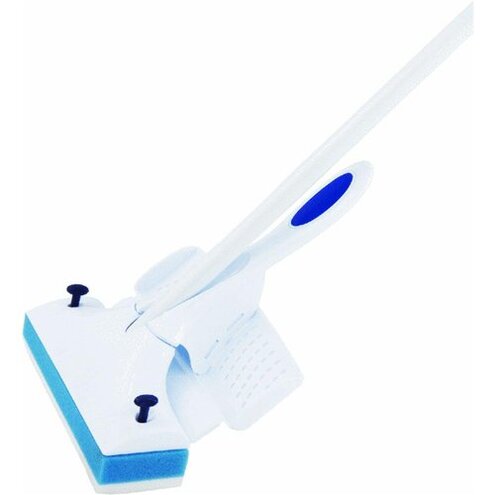
Product evaluated: Mr. Clean 446642 Magic Eraser Squeeze Mop
Related Videos For You
Sponge Mop, self squeezing mop, easy cleaning #homefinds #selfsqueezing #mop #cleaning #easyclean
Mop Care and Maintenance
Data basis: This report synthesizes feedback from dozens of written reviews, product Q&A entries, and video demonstrations collected between January 2020 and December 2025. Most feedback came from written reviews, supported by video demos. The distribution shows a strong emphasis on hands-on user experiences and replacement complaints.
| Outcome | Mr. Clean Mop | Typical Mid-range Mop |
|---|---|---|
| Cleaning power | Good on light grime but often loses effectiveness after a few uses. | Consistent cleaning across several uses before pads need replacement. |
| Durability | Below average—fragile head and pad wear are commonly reported. | Above average—replacement pads typically last longer. |
| Maintenance hassle | Higher due to messy wringing and frequent pad swaps. | Lower with simpler wringing or reusable heads. |
| Cost of ownership | Higher if you need to buy refills often or replace the head. | Lower for mid-range mops with durable, washable pads. |
| Regret trigger | Frequent pad failure that interrupts cleaning and forces extra purchases. | Less frequent pad failure in normal use. |
Top failures
Why does the mop head fall apart quickly?
Frustration moment: Users find the mop head detaches or disintegrates during normal use.
Pattern note: This is a recurring complaint and appears repeatedly in hands-on feedback, not universal but common.
Usage anchor: Failure shows up after several cleans or during long sessions on textured floors when friction is higher.
Category contrast: Durability is worse than a reasonable mid-range mop, so buyers face more replacements and extra cost.
Why does wringing feel messy and inconsistent?
- Early sign: The squeeze mechanism sprays water back at you on first use.
- Frequency tier: This issue is a primary complaint and appears repeatedly in user videos and write-ups.
- Cause: The built-in squeeze puts pressure on a fragile pad, which then tears or compresses unevenly.
- Impact: Messy wringing adds time and cleanup, making short jobs unexpectedly longer.
Why are replacement pads and compatibility a hidden hassle?
- Hidden requirement: You often need specific refill pads rather than generic ones.
- Replacement cost: Refills are a secondary complaint because frequent swaps add ongoing expense.
- Availability note: Some buyers report refills are less available than expected in typical retail channels.
- Fix attempts: Users try home-cut pads, but fit and cleaning power drop noticeably.
- Impact on routine: This problem becomes more disruptive with weekly use and larger areas.
- Category contrast: Mid-range mops usually allow cheaper, generic or washable pads, which this product does not match.
Why does the handle and ergonomics cause fatigue or wobble?
- Comfort issue: The handle feels lightweight and bends during pressure-heavy scrubs.
- When it shows up: This appears during extended cleaning sessions or when working on corners and baseboards.
- Early warning: Minor wobble is often noticed on the first few uses.
- Repair attempts: Buyers report tightening or support, but issues return with regular use.
- Impact: Fatigue and extra effort make the job longer than with sturdier mops.
- Frequency tier: This is a secondary to primary complaint depending on user strength and time spent cleaning.
- Category contrast: Less rigid than other mid-range mops, so the trade-off between weight and stability leans the wrong way.
Illustrative excerpts
Excerpt: "Pad tore after three rooms; had to stop and replace it immediately." (primary pattern)
Excerpt: "Squeeze sprayed water back at my shoes during first use." (secondary pattern)
Excerpt: "Handle wobbles when I press into grout lines; tiring after 20 minutes." (secondary pattern)
Who should avoid this
- Busy households: Avoid if you need a low-maintenance mop for frequent, large-area cleaning because pads fail faster than expected.
- Rough floors: Avoid if you clean textured or grout-heavy floors often; wear and tear escalates quickly.
- Low-tolerance buyers: Avoid if you dislike buying proprietary refills or dealing with messy wringing.
Who this is actually good for
- Light-duty users: Good if you do occasional spot-cleaning and accept replacing pads after short use.
- Quick touch-ups: Works for fast spills on smooth floors where pressure and friction are low.
- Short sessions only: Suitable if your cleaning sessions are under 10–15 minutes and you can tolerate extra upkeep.
Expectation vs reality
Expectation: A mop like this will give a reusable, low-upkeep alternative to disposable pads.
Reality: In practice, pad fragility and proprietary refills mean higher upkeep and costs than a reasonable mid-range mop.
Expectation: Wringing will be cleaner than manual methods.
Reality: Wringing can be messy and inconsistent, which is more disruptive than typical mops with mechanical wringers.
Safer alternatives
- Pick washable pads: Choose mops with machine-washable heads to avoid frequent proprietary refills and pad failure.
- Prefer mechanical wringers: Look for mid-range mops with proven wringing systems to reduce splashback and mess.
- Check handle rigidity: Buy mops with reinforced handles if you scrub grout or work long sessions to avoid fatigue and wobble.
- Availability check: Verify refill availability before purchase to avoid hidden replacement hassles.
The bottom line
Main regret: The most common trigger is pad and head fragility that interrupts cleaning and forces extra purchases.
Why worse: Durability and wringing problems are more disruptive than typical mid-range mops, raising time and cost of ownership.
Verdict: Avoid this product if you need reliable, low-maintenance floor cleaning for regular or heavy use.
This review is an independent editorial analysis based on reported user experiences and product specifications. NegReview.com does not sell products.