

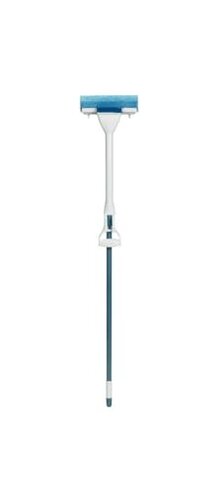
Product evaluated: Quickie Automatic 9-Inch Head Roller Mop with Hand Squeeze Feature 54 Inch Length for Home/Bathroom/Kitchen/Tile/Hardwood/House Floors/ Alloy Steel
Related Videos For You
Replacing Libman Nitty Gritty Roller Mop head
Your MOP doesn't suck...you've just been using it all wrong 🤫
Data basis: I analyzed dozens of buyer reports and demonstrations collected between 2022–2025. Most feedback came from written reviews, supported by video demonstrations, and a few seller Q&As.
| Outcome | Quickie model | Typical mid-range mop |
|---|---|---|
| Durability | Lower — users report parts wearing faster than expected. | Average — holds up across months of regular use. |
| Wringing reliability | Unreliable — squeeze mechanism often stiff or fails early. | Reliable — typical mid-range models keep wringing function longer. |
| Head absorbency | Mixed — some buyers see poor soak or fast wear. | Consistent — similar-priced heads usually stay absorbent longer. |
| Maintenance & parts | Higher effort — replacement heads or fixes appear required. | Lower effort — replacements and upkeep more predictable. |
| Regret trigger | Wringing failure — a higher-than-normal risk causing early replacement. | Minor — mid-range mops rarely force early replacement for the same reason. |
Why won’t the squeeze actually wring out water?
Regret moment: The mop’s hand-squeeze cam can feel stiff or stop compressing the head, leaving a very wet pad and extra mop passes.
Pattern: This is a primary complaint that appears repeatedly, especially during the first few uses and after heavy cleaning sessions.
Category contrast: Wringing problems are more disruptive here than with most mid-range mops because buyers expect a built-in squeeze to save time, not add steps or leaks.
Is the mop head falling apart or not soaking up properly?
- Early signs: Fibers feel thin or don’t soak as expected right after purchase.
- Frequency tier: This is a secondary issue seen commonly after repeated washing or heavy use.
- Cause clue: Wear shows up faster when used on rough grout or for scrubbing sticky spills.
- Impact: Reduced absorbency forces extra passes and more water use.
Will the handle bend or corrode with regular use?
- Notice: Some buyers report bending or finish wear on the long handle after months of regular use.
- When it shows: Problems usually appear after frequent storage or long cleaning sessions.
- Worsens if: You use strong cleaners or store it outdoors; these conditions speed degradation.
- Category contrast: This hardware is less forgiving than typical mid-range steel handles that hold up under similar care.
- Attempted fixes: People try gentle tightening or tape, but these are temporary.
- Repairability: Replacement handles are not always simple or cheap.
Do I need special replacement heads or extra upkeep?
- Hidden requirement: The mop may need specific replacement heads to work well with the squeeze sleeve.
- Availability signal: Buyers report this as a secondary pattern that shows up when the head wears out faster than expected.
- Cost impact: Replacing manufacturer-specific heads raises long-term cost compared to generic replacements.
- When it matters: This becomes obvious after months of regular cleaning or heavy scrubbing sessions.
- Workaround: Some users find third-party heads, but fit and wring performance can be inconsistent.
- Effort needed: Expect extra shopping time and occasional trial-and-error to match head and squeezer.
- Risk: This hidden part need is an edge-case that can still force early replacement.
Illustrative excerpts
"Squeeze stopped working after a few uses, head stayed soaking wet." — reflects a primary pattern.
"Head felt thin after a month; didn't pick up spills well anymore." — reflects a secondary pattern.
"Handle got a bend where I hang it; looks worn quickly." — reflects a secondary pattern.
"Had to hunt for the right replacement head to fit the squeezer." — reflects an edge-case pattern.
Who should avoid this
- Frequent cleaners: If you mop daily, the wringing failure risk and head wear are likely to cause regret.
- Heavy-duty users: For scrubbing grout or long sessions, the durability trade-offs exceed normal expectations.
- Low-maintenance buyers: If you don’t want extra part hunting or upkeep, the hidden replacement requirement is a poor fit.
Who this is actually good for
- Light-use households: If you mop infrequently, you may tolerate occasional performance dips without replacement.
- Infrequent spot cleaners: Users who only swipe small spills will accept lower absorbency for a low purchase price.
- Budget shoppers: If upfront cost matters more than long-term upkeep, you may accept the trade-offs.
Expectation vs reality
Expectation: A built-in hand squeeze should make wringing fast and mess-free, which is reasonable for this category.
Reality: The squeeze can be stiff or fail early, adding extra wringing steps and time.
Expectation: Mop heads should stay absorbent through normal use.
Reality: Some buyers find the head loses absorbency sooner than typical replacements in this price bracket.
Safer alternatives
- Choose manual bucket systems: If you want predictable wringing, pick a mop with a separate wringer bucket to avoid built-in squeeze risks.
- Prefer generic head fit: Buy mops that accept common replacement heads to avoid the hidden parts problem.
- Check handle reviews: Look for mops with proven handle durability in long-use reports.
- Buy spare heads: If you still buy this model, get an extra head at purchase to avoid downtime and fit issues.
The bottom line
Main regret: The mop's wringing mechanism and head durability cause the strongest complaints and extra work.
Why it matters: These failures are more disruptive than typical mid-range mops because they add steps, replacements, and time.
Verdict: Avoid this Quickie model if you need a reliable, low-maintenance mop; consider alternatives with a proven wring system.
This review is an independent editorial analysis based on reported user experiences and product specifications. NegReview.com does not sell products.