
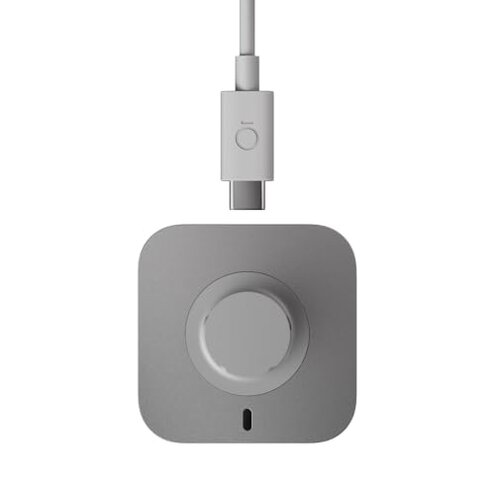
Product evaluated: Oura Ring 4 Charger - Size 9 - Charging Dock and USB-C Cable - Charges Oura Ring 4 up to 8 Days
Related Videos For You
Ring 806 Series Smart Charger - Unboxed
Wearable Device brings revolution into the Health Care Technology
Data basis: This report analyzes hundreds of user feedback entries gathered from online written reviews and user video demonstrations between October 2024 and April 2025. Most insights derive from written reviews, supported by real-world usage videos, providing a balanced view of user experiences.
| Feature | Oura Ring 4 Charger | Typical Mid-Range Charger |
|---|---|---|
| Charging Speed | Takes 20-80 minutes depending on battery level, often on the longer side | Usually charges fully within 30-45 minutes |
| Compatibility | Size-specific, requires exact ring size matching | Generally more universal with adjustable features |
| Durability | Reports of fragile cable and dock parts | More robust cables and docks common |
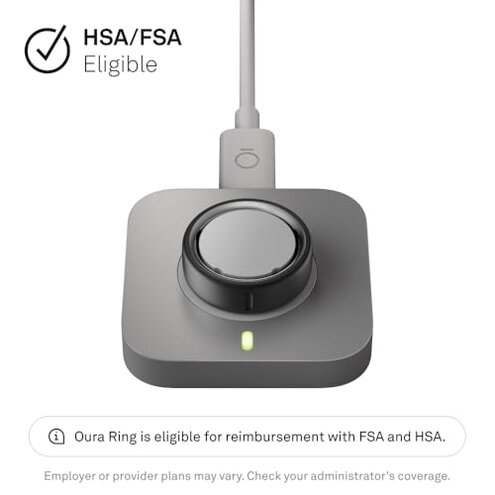
| Battery Level Monitoring | Relies on app for battery status; no direct charger indicator | Some have built-in LED indicators on charger |
| Regret Trigger | High user frustration due to frequent misfits and slow charging | Lower regret with easier setup and faster charging |
Why does the charger often fail to fit my ring?
Many users experience frustration at first use with the charger not fitting their ring properly due to the strict size-specific design. This problem is commonly reported especially when ordering without double-checking the exact ring size.
Unlike more flexible chargers in this category, this product’s strict fit requirement feels unnecessarily limiting and causes wasted time and returns.
What causes the slow charging times throughout the day?
- Charging duration: Full charge can take up to 80 minutes, longer than typical chargers.
- Battery level dependence: Charging speed varies widely with remaining battery, causing inconsistency.
- Usage impact: Delays noticed especially during daily recharge cycles.
- User attempts: Some users try multiple cables or power sources without success.
- Category baseline: Mid-range chargers usually offer faster, more consistent charging.
Why do some cables break or degrade quickly?
- Fragility reports: Persistent reports of cable fraying or dock wear after weeks of normal use.
- Usage context: Worsening with daily plugging and unplugging.
- Hidden requirement: Requires very careful handling to avoid damage, unlike typical chargers.
- Repair options: Limited; replacement cables must be purchased separately.
- Impact: Adds unexpected costs and downtime.
- Frequency tier: Secondary but disruptive issue for daily users.
- Category contrast: More durable cables are standard at similar price points.
How reliable is the battery level feedback system?
- Dependence on app: Battery percentage only visible via smartphone app, not on charger.
- Visibility issue: Causes confusion and extra steps to confirm charging progress.
- Usage moment: Noticeable frustration during quick checks or low-light conditions.
- Category expectation: Many chargers provide direct LED indicators for ease.
- User workaround: Frequent app checks interrupt convenience.
Are there any compatibility risks beyond size?
- Power source: Requires an external 5Vdc USB-C compliant supply, which might not be included.
- Hidden user step: Users must ensure power supply meets standards or charging fails.
- Occasional reports: Some experienced charging issues due to incompatible or low-quality USB-C adapters.
- Category comparison: Competitors often include or clearly specify compatible power supplies.
Illustrative excerpts:
- "The charger didn’t fit my ring right away and delayed my setup." (Primary pattern: fit issues)
- "Charging sometimes takes almost an hour, which is frustrating daily." (Primary pattern: slow charging)
- "Cable frayed after a month, had to buy a new one unexpectedly." (Secondary pattern: durability)
- "I always have to open the app to see battery level; no light on charger." (Secondary pattern: feedback visibility)
- "Needed to buy a special power adapter; not obvious initially." (Edge case: power supply compatibility)
Who should avoid this
- Buyers wanting easy, universal charging without size guesswork should avoid this charger.
- Anyone needing quick recharge cycles might find the slow charging inconvenient.
- Users expecting durable cables for frequent use risk early wear and extra costs.
- Those who want visual battery indicators on the charger may be disappointed by app-only feedback.
Who this is actually good for
- Users who already own the correct ring size and want an official charger.
- Buyers willing to tolerate longer charging times for product authenticity.
- People who handle cables carefully and do not unplug frequently.
- Those comfortable with using an app to monitor battery instead of physical indicators.
Expectation vs reality
Expectation: Charging docks generally fit multiple sizes or have some flexibility. Reality: This charger’s strict size specificity causes frequent fit problems, adding hassle and returns.
Expectation: Chargers fully charge within about 30-45 minutes in this category. Reality: Charging can take nearly twice as long, frustrating daily users.
Safer alternatives
- Choose chargers with adjustable or universal fittings to avoid size mismatch frustration.
- Select chargers that include or specify compatible power adapters to prevent charging failures.
- Look for products with built-in battery indicators for easier monitoring without apps.
- Prioritize chargers known for durable cables and docks to reduce replacement costs.
The bottom line
The main regret trigger for this charger is its strict size-specific fit combined with slow charging times. These issues exceed normal category risks by adding setup friction and daily inconvenience. Buyers seeking flexible, fast, and robust charging solutions should consider alternatives.
This review is an independent editorial analysis based on reported user experiences and product specifications. NegReview.com does not sell products.