
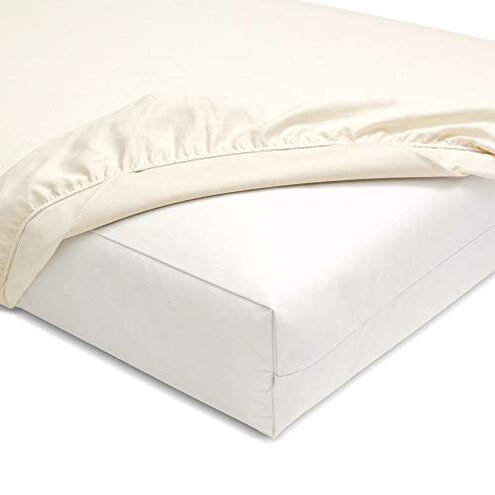
Product evaluated: Naturepedic Organic Waterproof Crib Mattress Pad, Skin Friendly, Breathable & Absorbent Crib Mattress Protector - Removable Protector Pad for Baby and Toddler Beds - Fitted for Standard Baby Crib Size
Related Videos For You
Naturepedic Organic Crib Mattress Cover Waterproof - Breathable Crib Mattress Protector REVIEW
How to Launder a Mattress Protector
Data basis: This report is based on dozens of buyer comments gathered from written feedback and photo or video-backed impressions collected between 2023 and 2026. Most feedback came from written reviews, with lighter support from visual demonstrations and update posts, which helps show both first-use reactions and longer daily-use problems.
Comparative risk snapshot
| Buyer outcome | Naturepedic pad | Typical mid-range alternative |
|---|---|---|
| Fit stability | Higher risk of feeling too tight or awkward during setup on some standard crib mattresses | Usually easier to pull on without as much effort |
| Waterproof confidence | Mixed confidence because protection complaints appear repeatedly during real accidents | More predictable leak protection, though often less premium-feeling |
| Wash-and-reuse ease | More upkeep than expected if shrinkage or refitting trouble shows up after laundering | Lower hassle in day-to-day sheet changes |
| Comfort trade-off | Softer feel is a plus, but some buyers say it shifts attention from protection reliability | Less soft but often bought mainly for practical spill control |
| Regret trigger | Paying premium prices and still dealing with leaks or hard refits | Lower regret because expectations are usually simpler and lower-cost |
Top failures
Why does a premium crib pad feel so hard to get on?
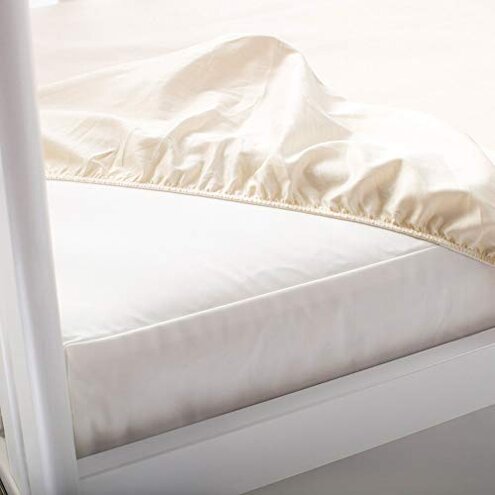
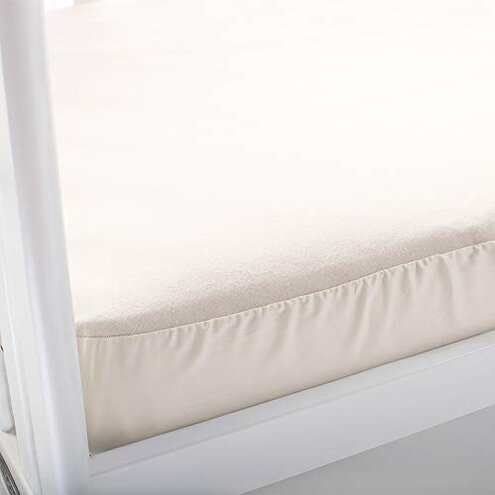
This is a primary issue. The most common frustration starts during first setup, when the pad can feel tighter than expected for a standard crib mattress. That matters more here because buyers paying this much usually expect easier, faster sheet changes.
The pattern appears repeatedly. It tends to worsen during middle-of-the-night bedding changes, when speed matters and the mattress has thicker corners or a full 6-inch profile. Compared with typical mid-range protectors, this feels less forgiving.
- Early sign: Buyers often notice strong corner tension as soon as they try to stretch the fitted sides into place.
- Frequency tier: This is a primary complaint, appearing more often than comfort complaints and causing earlier disappointment.
- Usage moment: It shows up after setup and gets worse during rushed crib changes or frequent sheet swapping.
- Buyer impact: The extra effort adds time and frustration, especially when one person is changing bedding alone.
- Why worse: Many crib pads fit snugly, but this one is described as tighter than normal for a product marketed to standard-size mattresses.
Illustrative: “I had to fight the corners every single time.” Primary pattern reflecting repeated fit frustration.
What if the waterproofing is the one job you need it to do?
- Main concern: Leak protection is a primary risk because failures are less frequent than fit complaints but more frustrating when they happen.
- Pattern: Reports are persistent, not universal, and tend to appear during real spills, diaper leaks, or overnight accidents.
- Usage context: The problem shows up during daily use, when buyers expect the mattress underneath to stay fully dry.
- Regret point: A single leak can feel more disruptive than expected in this category because cleanup can involve the mattress, sheets, and bedtime routine.
- Trade-off: Some buyers like the softer, less plasticky feel, but that comfort benefit does not help if protection confidence feels shaky.
- Fixability: There is no easy fix once trust in leak protection is gone, since families usually stop using it after one bad incident.
- Category contrast: Mid-range alternatives often feel less premium, but they are usually judged on simple reliability, which can create less regret.
Illustrative: “Soft to sleep on, but the mattress still got wet.” Primary pattern tied to protection disappointment.
Does washing make the day-to-day hassle worse?
This is a secondary issue. The regret usually appears after the first few washes, when some buyers say the pad becomes harder to refit or no longer feels as easy to manage. That creates extra work in a product meant to reduce work.
The pattern is recurring. It shows up most during repeated laundering and urgent bedding resets after accidents. Compared with many standard protectors, the upkeep can feel higher than expected.
- When it starts: Buyers usually notice the problem after washing, not always right out of the package.
- Hidden requirement: This pad may demand more careful care than some shoppers expect from a crib protector.
- Daily effect: Harder refitting turns simple sheet changes into a two-step struggle with corners and mattress lift.
- Frequency tier: This is a secondary complaint, less common than fit but still persistent enough to matter.
- Why it stings: Buyers expect washable baby items to stay easy after laundering, so any change in fit feels worse than normal for the category.
- Mitigation: It may be more tolerable if you keep a backup protector, but that adds cost and storage.
Illustrative: “It fit okay once, then washing made it a pain.” Secondary pattern tied to upkeep burden.
Why do some buyers still feel the price was hard to justify?
- Core issue: Price regret is an edge-case issue by itself, but it becomes serious when paired with leaks or difficult fit.
- Pattern: This complaint appears across multiple feedback types, especially when buyers compare it to cheaper pads that felt easier to live with.
- Usage context: The doubt usually happens after setup or after the first accident, when expectations meet real use.
- Buyer logic: A premium crib protector should reduce stress, not add extra steps during messy moments.
- Why stronger here: In this category, buyers accept paying more for safety and comfort, but not if basic performance feels inconsistent.
- Hidden cost: If you buy a second backup pad because trust drops, the real ownership cost becomes higher than planned.
- Not universal: Some families are satisfied, but dissatisfaction gets sharper because the premium promise raises expectations.
Illustrative: “Too expensive for something I still had to double-check.” Edge-case pattern driven by value disappointment.
Who should avoid this
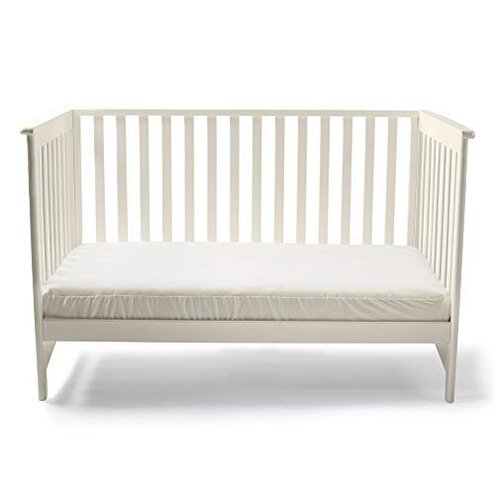
- Avoid it if you need fast, easy bedding changes during nighttime accidents, because fit complaints are among the most common problems.
- Avoid it if leak protection is your only priority, since waterproof confidence appears less consistent than many buyers expect at this price.
- Avoid it if you wash protectors often and want low-maintenance care, because post-wash refitting issues are a repeated secondary frustration.
- Avoid it if your crib mattress runs thick or especially snug already, since this pad seems less forgiving than typical alternatives.
Who this is actually good for
- Good fit for buyers who value a softer, less plasticky sleep surface and can tolerate a tighter setup process.
- Good fit for families who rarely remove the protector once installed, which reduces the day-to-day annoyance of refitting.
- Good fit for shoppers already using a thinner standard crib mattress, where the tight-fit risk may feel more manageable.
- Good fit for buyers willing to pay more for the material and comfort story, even if practicality is not clearly better than simpler options.
Expectation vs reality
Expectation: A premium crib pad should go on easily and stay easy to manage.
Reality: Setup friction is a primary complaint, and washing can make that hassle feel worse over time.
Reasonable for this category: Some protectors feel snug, but they should still protect reliably once installed.
Reality: Leak concerns are more disruptive than expected because one failure can undo the main reason buyers chose it.
Expectation: Paying more should reduce stress during accidents.
Reality: For some families, the high price raises expectations that the product does not consistently meet in daily use.
Safer alternatives
- Choose easier-fit designs if your mattress is thick or tightly tailored, because that directly avoids the first-use corner struggle reported here.
- Prioritize backup convenience by buying protectors sold in pairs, which reduces stress if washing or trust issues appear after an accident.
- Look for leak-focused options if mattress protection matters more than softness, since this product’s biggest regret trigger is confidence during real messes.
- Check wash durability language and buyer care feedback carefully, because this product’s secondary problem is added upkeep after laundering.
- Match price to tolerance by avoiding premium pads unless they clearly outperform simpler options on fit and waterproof reliability.
The bottom line
Main regret comes from paying a premium and then dealing with either a hard fit, uncertain leak protection, or both. That risk feels higher than normal for this category because crib protectors are supposed to remove stress during urgent cleanup, not add it. Verdict: skip it if you want the safest practical choice; it makes more sense only for buyers willing to trade convenience for a softer feel.
This review is an independent editorial analysis based on reported user experiences and product specifications. NegReview.com does not sell products.