
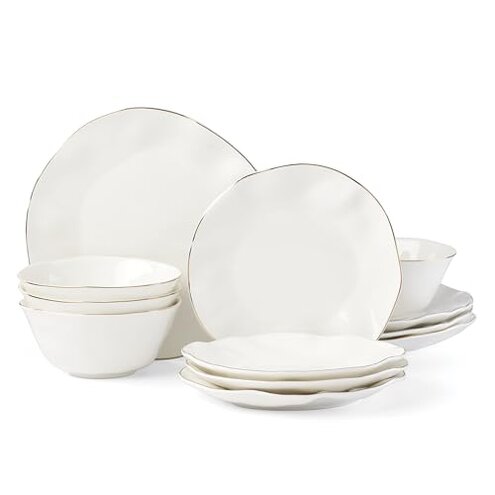
Product evaluated: Lenox Blue Bay 12-Piece Dinnerware Set, 15.20 LB, White
Related Videos For You
How to remove stains from your bone china, porcelain etc
12-Piece Multicolor Dinnerware Set: Durable, Microwave & Dishwasher Safe Plates and Bowls for 4
Data basis: This report draws on dozens of buyer comments collected from written feedback and photo or video-backed impressions between 2020 and 2026. Most signals came from written comments, with supporting visual posts helping confirm where breakage, finish concerns, and everyday-use limits showed up.
| Buyer outcome | Lenox set | Typical mid-range alternative |
| Everyday durability | Higher risk of chips or cracks becoming a regret trigger during daily handling. | Moderate risk, with occasional breakage but usually less anxiety in routine use. |
| Dishwasher confidence | Less reassuring if you worry about finish wear or edge damage over time. | More forgiving for repeated dishwasher cycles in this price tier. |
| Special-occasion look | Strong upside, but buyers can feel they are protecting it more than using it. | Plainer look, but usually easier to treat as true daily dinnerware. |
| Replacement hassle | More disruptive because the breakage program still adds extra cost and extra steps. | Simpler outcome when buyers just replace a lower-stakes piece or set. |
| Regret trigger | Best for display expectations, not hard daily use. | Best for routine use with fewer worries. |
Why does a set marketed for everyday use still make some buyers handle it carefully?
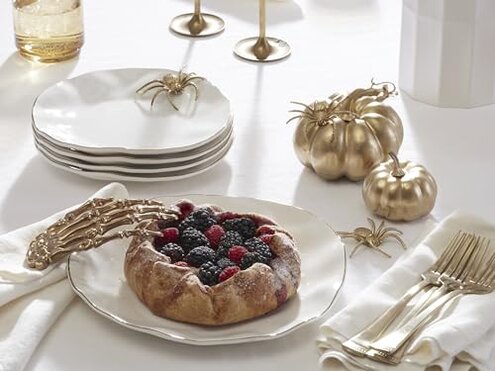
This is the primary issue. The regret moment usually happens after normal meals and cleanup, when an edge chip or cracked piece makes the set feel less durable than expected.
The pattern appears repeatedly in buyer feedback, especially during daily handling around sinks, dishwashers, and stacking. Compared with a typical mid-range porcelain set, that feels more fragile than normal for a product positioned as both practical and dressy.
- Early sign: Small rim damage is the first thing buyers tend to notice after routine unloading or stacking.
- Frequency tier: Primary complaint, and among the most common buyer frustrations tied to long-term satisfaction.
- When it shows up: Usually after repeated use, not just on day one, which makes it harder to dismiss as shipping-only damage.
- What worsens it: Tight cabinet storage, frequent dishwasher cycles, and busy family handling make the issue feel more likely.
- Buyer impact: One damaged piece can make the whole table setting look incomplete because this is a matched set.
- Fixability: The replacement program helps less than many expect because it still requires added cost if stock exists.
- Why this feels worse: Dinnerware in this price band is usually expected to survive normal kitchen traffic with less caution.
Do the gold-rim details create extra care stress?
This is a secondary issue. The set looks more polished because of the thin gold rim, but that decorative upgrade also makes buyers watch for wear more closely.
The pattern is persistent, though not universal, and it usually matters most during dishwashing and microwave-related expectations. In this category, decorative accents are common, but buyers often expect fewer trade-offs when the set is sold as convenient for everyday use.
- Trade-off: The dressier finish is the visual reason many people buy it, yet it can raise worry about long-term edge appearance.
- Context: Concern grows during repeated cleaning, especially when buyers want low-effort daily dinnerware.
- Intensity: Less frequent than chipping, but more frustrating for appearance-focused buyers when it happens.
- Why it stings: Decorative wear is highly visible on a plain white set because small flaws stand out.
- Hidden requirement: Buyers may end up treating it more gently than expected, which defeats the point of “easy everyday” use.
- Category contrast: Many mid-range sets without metallic accents are simply lower stress to own and clean.
Is the breakage replacement program as reassuring as it sounds?
This is a secondary issue, but it becomes a major regret trigger after the first damaged piece. The promise sounds protective at checkout, then feels less generous during the actual replacement moment.
This shows up repeatedly in feedback tied to after-breakage use, not before purchase. Compared with a standard mid-range dinnerware set, the process can feel like more upkeep and extra expense rather than a true safety net.
- Expectation gap: Buyers often assume breakage support means a straightforward free replacement.
- Reality: The stated policy offers a replacement at half retail price, plus shipping, processing, and tax if available.
- When it matters: This becomes real only after something breaks, which is exactly when frustration is highest.
- Scope: The concern appears across multiple feedback styles because it affects both value perception and peace of mind.
- Hidden cost: The extra charges can make a single damaged item feel like a bigger ownership burden than expected.
- Fixability: It is partly fixable, but only if the specific piece is available and the buyer accepts the added cost.
- Why this feels worse: Many shoppers read “replacement program” as a stronger cushion than what they get in practice.
- Regret angle: That mismatch turns a premium-looking set into a higher-maintenance purchase.
Does the set work better for occasional hosting than rough everyday life?
This is an edge-case issue for some homes, but a meaningful one for busy kitchens. The set can feel great on the table and less great during rushed weekday cleanup.
The pattern is not universal, yet it shows up most clearly in high-traffic households with frequent loading, unloading, and stacking. That is a sharper mismatch than expected because the product is framed for both casual and elevated meals.
- Best-case use: The set fits buyers who want a prettier table without constant heavy rotation.
- Worst-case use: It is less forgiving in homes with children, crowded dishwashers, or frequent guest use.
- Stress point: The more often pieces are moved, the more the durability concern matters.
- Category contrast: A typical practical dinnerware set tolerates a little more rough handling without becoming a worry item.
Illustrative excerpt: “I bought everyday plates, but now I baby them after each wash.” Primary pattern, reflecting daily-use durability regret.
Illustrative excerpt: “They look elegant, but one chip changed how I use the whole set.” Primary pattern, reflecting visible damage impact.
Illustrative excerpt: “The replacement promise sounded better before I read the actual terms.” Secondary pattern, reflecting warranty expectation mismatch.
Illustrative excerpt: “Pretty enough for guests, stressful enough for weeknight cleanup.” Secondary pattern, reflecting use-case mismatch.
Who should avoid this
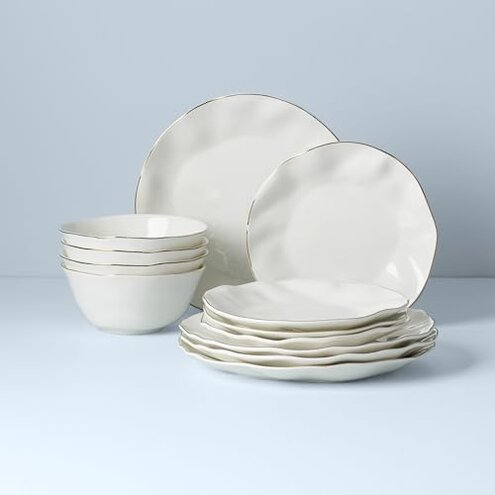
- Busy families who need plates and bowls to survive rushed stacking, heavy dishwasher use, and casual handling.
- Value-focused buyers who see a breakage program as a full backup, not a partial-cost replacement with extra steps.
- Low-maintenance shoppers who want true everyday dinnerware and do not want to think about protecting a decorative rim.
- High-traffic households where a chipped piece would quickly turn into replacing or retiring part of the set.
Who this is actually good for
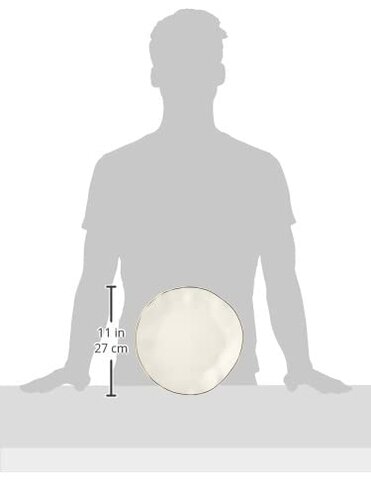
- Style-first buyers who accept some durability risk because the clean white look with gold trim matters more.
- Occasional hosts who use the set for nicer meals and can limit rough daily handling.
- Smaller households that rotate dishes less often and can be gentler during washing and storage.
- Careful owners who are willing to trade some convenience for a more polished table presentation.
Expectation vs reality

Expectation: A porcelain dinnerware set sold for everyday use should handle normal stacking and dishwasher routines with only standard breakage risk.
Reality: Durability concern appears more often than many buyers expect, making the set feel less forgiving than a reasonable category baseline.
Expectation: A breakage program should remove most of the pain after an accident.
Reality: Replacement terms still involve partial cost and availability limits, so the protection is narrower than it first sounds.
Expectation: Decorative details should add style without changing daily habits much.
Reality: Care stress can rise because buyers become more cautious about appearance and edge wear.
Safer alternatives

- Choose simpler rims if you want lower-stress dishwasher use and fewer worries about visible trim wear.
- Look for durability-first sets marketed around chip resistance if your kitchen sees daily heavy handling.
- Buy open-stock lines when possible so replacing one damaged piece is easier and less costly.
- Favor plainer everyday sets if your main goal is routine use, not a table that leans decorative.
The bottom line

Main regret trigger: Buyers expect elegant everyday dinnerware and instead may end up handling it more carefully than they planned.
Why risk is higher: The combination of recurring durability concern, visible finish sensitivity, and a narrower-than-expected replacement safety net creates more hassle than many mid-range alternatives.
Verdict: Avoid it if your priority is carefree daily use. It makes more sense for careful households that will trade some toughness for appearance.
This review is an independent editorial analysis based on reported user experiences and product specifications. NegReview.com does not sell products.