
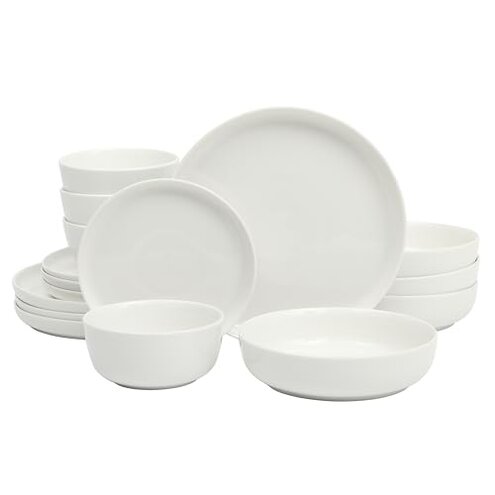
Product evaluated: Gibson Home Oslo Porcelain Chip and Scratch Resistant Dinnerware Set, Service for 4 (16pcs), Ceramic Plates and Bowls Dishes Sets, White - Microwave and Dishwasher Safe
Related Videos For You
How to Clean Porcelain Dishes
Corelle Dinner Plate Drop Test
Data basis This report summarizes hundreds of buyer comments collected from written feedback and short video-style demonstrations during a recent multi-month window through 2024 into 2025. Most input came from written impressions, with added context from visual unboxings and long-term use updates, which helps separate first-arrival damage from problems that show up during daily handling.
| Buyer outcome | This set | Typical mid-range alternative |
|---|---|---|
| First delivery confidence | Higher risk of arriving with one damaged piece, which appears repeatedly in feedback. | Lower risk of box-to-table problems, though not perfect. |
| Daily durability | Mixed; chip resistance is a primary complaint after regular stacking and dishwasher use. | More predictable wear under normal family use. |
| Look in person | Cleaner style, but some buyers find it lighter or less substantial than expected. | Usually closer to expected heft for the price. |
| Replacement hassle | Higher-than-normal category risk because one broken piece can reduce the value of the full set quickly. | Moderate hassle, but fewer complaints about early loss of usable pieces. |
| Regret trigger | Most common regret starts when chips show up early or pieces arrive damaged. | More often regret is just style preference, not early failure. |
Do you want dishes that still look good after normal daily use?
Regret moment starts when the clean white look stops looking clean because an edge chips during ordinary use. This is a primary issue, and it feels more disruptive than expected for a porcelain set sold around everyday durability.
Pattern appears repeatedly in feedback, especially after stacking, unloading the dishwasher, or bumping plates in the sink. Compared with a typical mid-range set, this feels less forgiving during normal kitchen handling.
- When it shows up is often within early weeks or after repeated washing and stacking.
- Frequency tier is primary, among the most common complaints tied to daily ownership.
- User context is simple household use, not extreme drops or restaurant-level abuse.
- Impact is bigger than a cosmetic flaw because one chipped rim can make the set feel incomplete fast.
- Hidden cost is replacement effort, since losing even one piece lowers the usefulness of a service-for-4 set.
- What buyers try is gentler stacking or hand washing, but that adds extra steps and defeats the convenience claim.
- Fixability is low once the edge is damaged, because chips do not self-resolve and usually spread use anxiety.
Illustrative excerpt: “Looked great at first, then the rim nicked during regular dishwashing.” Primary pattern.
Would a damaged box or broken piece ruin the purchase for you?
- Primary frustration is arrival damage, which is less frequent than chipping over time but more frustrating when it happens on day one.
- Pattern signal is persistent across feedback, especially around first unboxing and gift use.
- Real moment is opening the package and finding one plate or bowl cracked, making the set incomplete immediately.
- Why it hurts more than normal is that dinnerware depends on matching pieces, so one damaged item affects the whole set more than many kitchen products.
- Time impact comes from dealing with returns, reorders, or living with a partial set during meals.
- Not universal, but common enough to matter if you need a ready-to-use set for a move, event, or gift.
Illustrative excerpt: “Opened the box and one bowl was already unusable.” Secondary pattern.
Are you expecting a sturdier, heavier feel for the money?
Expectation gap shows up after first handling, when some buyers realize the pieces feel lighter than the product photos suggest. This is a secondary issue, but it can make durability worries feel bigger.
Pattern is not universal, yet it shows up often enough in hands-on impressions to note. Against a reasonable mid-range category baseline, the set can feel less substantial than shoppers expect from everyday porcelain.
- When noticed is usually at unboxing or the first meal.
- Worsening condition is frequent stacking, sink contact, or households with kids where heavier-feeling dishes often inspire more confidence.
- Buyer impact is psychological and practical, because a lighter feel can make every knock seem risky.
- Mitigation is possible if you mainly want a simple white set for light use and careful storage.
Illustrative excerpt: “Nice shape, but I expected something that felt more solid.” Secondary pattern.
Do you want truly low-maintenance dishes, not dishes that need babying?
- Hidden requirement is gentler handling than many buyers expect from an everyday microwave-and-dishwasher-safe set.
- Pattern cue is recurring: owners often mention changing how they load, stack, or store pieces after early wear signs.
- Usage anchor is daily cleanup, where plate edges touch each other, the rack, or the sink.
- Why worse than normal is that mid-range dinnerware usually earns trust by reducing care steps, not adding them.
- Early sign can be small rim marks or visible worry about clinking during cleanup.
- Real burden is extra attention every day, which adds time and defeats the point of an easy family set.
- Fixability is partial at best, because careful handling can reduce risk but does not remove the core fragility concern.
- Best-case use is lower-volume households with soft storage habits and less crowded dishwashers.
Illustrative excerpt: “I started separating every plate so they wouldn’t hit each other.” Primary pattern.
Who should avoid this
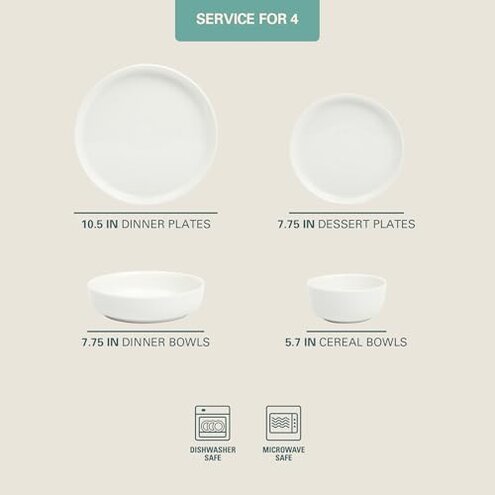
- Avoid it if you want a set for heavy daily family use, because repeated stacking and cleanup are where the primary chipping complaints show up.
- Avoid it if arrival condition matters a lot, such as gifting, moving, or hosting soon after delivery.
- Avoid it if you expect a sturdier feel, because the lighter impression can make normal kitchen bumps feel riskier than usual.
- Avoid it if you do not want extra care steps, since some owners end up handling it more cautiously than a typical mid-range set.
Who this is actually good for
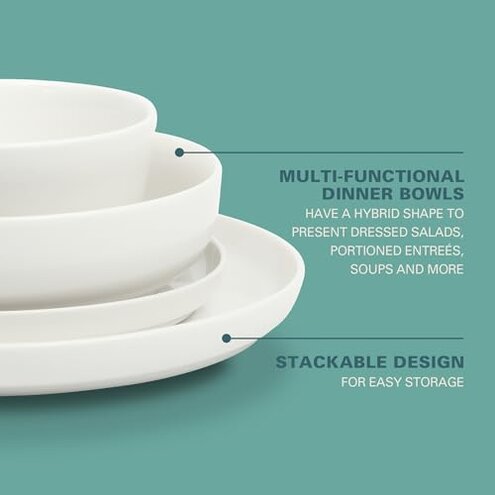
- Good fit for a small household that wants a simple white look and can handle dishes carefully.
- Good fit for occasional-use settings, where the lower use frequency reduces exposure to the main durability complaint.
- Good fit if price matters more than long-term confidence, and you accept some risk of early wear.
- Good fit for buyers willing to inspect on arrival and return quickly if the box condition is not right.
Expectation vs reality
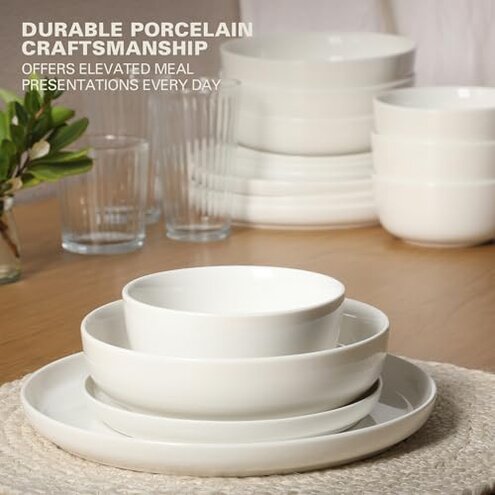
Expectation: “Chip and scratch resistant” should mean ordinary family use feels routine, not stressful.
Reality: A recurring complaint is that edge damage can show up during regular dishwashing, stacking, or sink contact.
Reasonable for this category: Mid-range everyday dinnerware should tolerate frequent cleanup without making owners change habits.
Reality: This set sometimes asks for more careful spacing and gentler loading than many buyers expect.
Expectation: A 16-piece set arrives ready to use.
Reality: First-delivery damage is a persistent enough issue to matter if you need all pieces immediately.
Safer alternatives
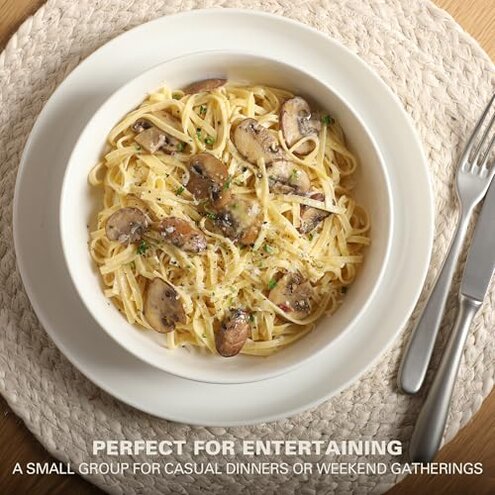
- Choose thicker rims if your main worry is edge chipping during stacking and dishwasher cycles.
- Look for replacement-piece support if one broken item would ruin the value of a matching set.
- Prioritize packaging feedback if you need a dependable gift or move-in set with lower arrival-damage risk.
- Pick heavier everyday stoneware or sturdier porcelain if you want a more confidence-inspiring feel in busy kitchens.
- Search for low-babysitting sets if you do not want to change how you load, store, and separate dishes.
The bottom line
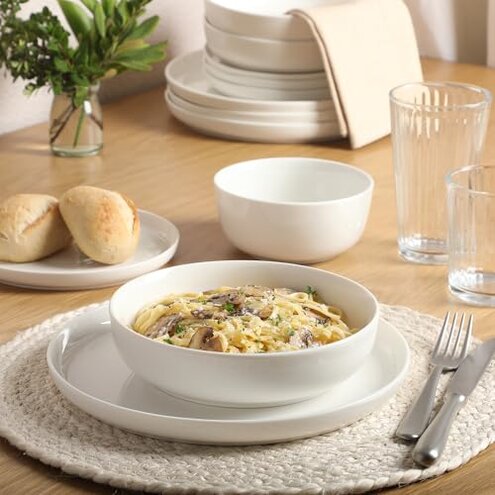
Main regret trigger is simple: the set can lose its clean, polished appeal quickly if a rim chips or a piece arrives damaged. That exceeds normal category risk because dinnerware is judged by how well it survives repetitive, ordinary handling.
Verdict if you want dependable everyday dishes with minimal worry, this is easier to skip than defend. It makes more sense only for lighter use and buyers comfortable with extra care.
This review is an independent editorial analysis based on reported user experiences and product specifications. NegReview.com does not sell products.