
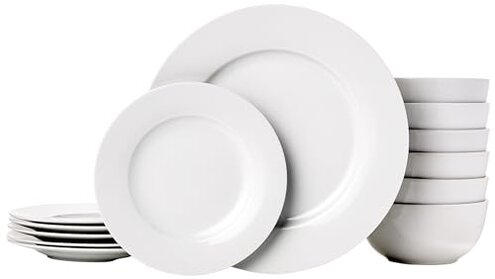
Product evaluated: Amazon Basics Kitchen Dinnerware Set, Microwave and Dishwasher Safe, Plates, Bowls, Service for 6, 18-Piece, White
Related Videos For You
How to Clean Porcelain Dishes
What You Should Know About Corelle Dishes
Data basis: This report summarizes hundreds of buyer impressions collected from written feedback and photo or video-supported posts gathered between 2023 and 2026. Most input came from longer written comments, with visual demonstrations used as support where damage, packing problems, and daily-use wear were easier to see.
| Buyer outcome | This set | Typical mid-range alternative |
|---|---|---|
| Arrival condition | Higher risk of pieces arriving damaged, which creates returns and replacement delays. | Lower risk of box-to-table damage in normal shipping. |
| Daily durability | More fragile under repeated handling, stacking, and dishwashing than many shoppers expect. | More forgiving during routine family use. |
| Finish retention | More visible wear from utensil marks and edge chips during daily use. | Usually better at hiding normal cutlery wear. |
| Replacement hassle | Harder because one damaged piece reduces the usefulness of the full service set. | Easier when damage is less common or open-stock options exist. |
| Regret trigger | Biggest trigger: a basic white set that looks fine at first, then chips or arrives broken. | Typical trigger: plain styling, not early failure. |
Did you want a simple everyday set, not one you have to baby?
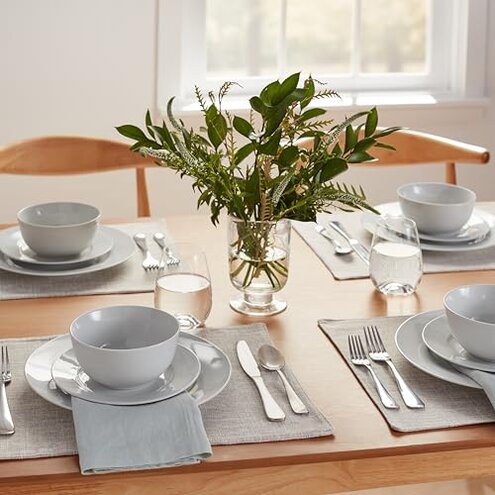
This is the primary issue. Repeated feedback points to chipping and cracking as among the most common complaints. The regret moment usually comes during daily handling, not unusual abuse.
It worsens when plates are stacked often, bowls are moved in and out of cabinets, or the set sees frequent dishwasher cycles. That is more disruptive than expected for a basic porcelain dinnerware set meant for everyday use.
- Pattern: Damage is recurring, though not universal, and appears repeatedly across different buyer experiences.
- When it shows up: Problems can appear on first use or after repeated meals and cleanup cycles.
- Why it stings: A dinnerware set in this price band is reasonably expected to handle routine family use with fewer chips.
- User impact: Even one chipped edge makes a piece feel unpleasant or unsafe to keep using.
- Fixability: There is no real fix once a rim chips, beyond replacing the piece or the set.
Worried about opening the box and already having a problem?
- Frequency tier: This is a secondary issue, but it is more frustrating when it happens because the product starts with a return chore.
- Usage moment: The problem appears at unboxing, when buyers find cracked plates or bowls before any use.
- Scope: Breakage in transit is commonly reported across multiple feedback sources, especially for heavier kitchen items.
- Why worse than normal: Some shipping damage is category-expected, but this seems less forgiving than many mid-range alternatives.
- Hidden requirement: You may need to inspect every piece immediately and keep packaging until you confirm nothing arrived damaged.
- Time cost: The hassle is not just damage itself. It adds extra steps for repacking, documenting, and waiting for a replacement.
Do you care if a white set starts looking worn faster than expected?
This persistent complaint centers on visible marks and cosmetic wear. Buyers often notice it during daily meals, especially after regular utensil use and repeated washing.
The issue is less severe than breakage, but more annoying over time because it makes a newer set look older. Compared with many mid-range white sets, this can feel like more upkeep for a plain everyday table setting.
- Early sign: Gray utensil marks or small surface scuffs may show up before structural damage does.
- Pattern: Wear is persistent rather than universal, and tends to matter most to buyers who want a clean bright look.
- Condition: It shows more during frequent use than occasional guest-only use.
- Impact: The set can still function, but it may stop looking giftable or fresh sooner than expected.
- Workarounds: Buyers often try gentler handling or selective use, which creates extra care rules for an item sold as easy everyday dinnerware.
- Category contrast: White dishes commonly show marks, but the frustration here is that wear seems to become visible quickly.
- Fixability: Cosmetic wear is only partly manageable, so appearance-focused buyers may remain dissatisfied.
Need a set that stays complete without hassle?
- Core frustration: The 18-piece setup works well only when all pieces stay intact.
- When it matters: This becomes obvious after one break, because service-for-6 usefulness drops immediately.
- Ranking: This is an edge-case issue compared with chipping, but the regret can be bigger for households that need matching place settings.
- Why it feels worse: With basic tableware, buyers expect simple replacement paths, yet a damaged single piece can leave the whole set feeling incomplete.
- Hidden cost: You may end up replacing more than one piece just to keep the table looking matched.
- Best case: If you only need backup dishes, this matters less. If you host or want a uniform look, it matters a lot more.
- Practical limit: A low upfront price can lose appeal if replacement effort keeps coming back.
Illustrative excerpt: “I wanted everyday dishes, but one plate chipped almost right away.” Primary pattern because early edge damage appears repeatedly.
Illustrative excerpt: “The box looked okay, then I found a cracked bowl underneath.” Secondary pattern because arrival damage is common but not the top complaint.
Illustrative excerpt: “They still work, but the marks make them look older than they are.” Secondary pattern because cosmetic wear builds during normal meals.
Illustrative excerpt: “Once one piece broke, the whole matching set felt less useful.” Edge-case pattern because completeness matters most to set-focused buyers.
Who should avoid this
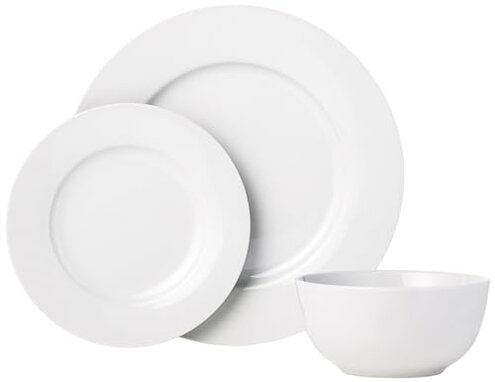
- Skip it if you want true everyday durability for a busy home with frequent stacking, dishwashing, and regular family use.
- Avoid it if chipped rims or visible marks will bother you more than average, because cosmetic wear appears repeatedly during normal use.
- Pass if you need reliable arrival condition and do not want to deal with inspection, returns, or replacement delays.
- Look elsewhere if matching place settings matter, since one damaged piece can make the full set feel incomplete faster than normal.
Who this is actually good for
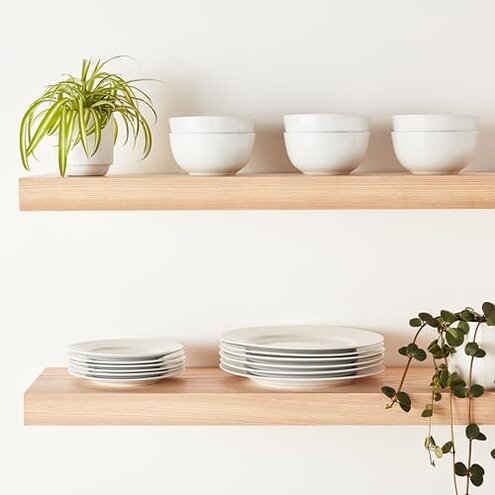
- It fits buyers who want a low-cost white set for light use and can tolerate a higher breakage risk to save money.
- It works for a backup apartment or occasional guest setup where cosmetic wear is less important.
- It suits shoppers willing to inspect on arrival and handle pieces gently to reduce the durability complaints above.
- It can fit anyone replacing very basic dishes who accepts that longevity may be weaker than mid-range alternatives.
Expectation vs reality
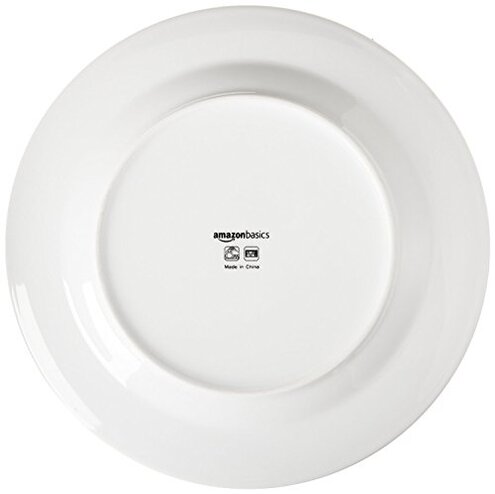
Expectation: A plain white microwave- and dishwasher-safe set should handle routine daily use without much special care.
Reality: The recurring complaint is that normal stacking, washing, and handling can lead to chips sooner than many buyers expect.
Reasonable for this category: Some white dinnerware shows utensil marks over time.
Worse here: The frustration is that visible wear can show up earlier, making the set feel older before buyers planned to replace it.
Expectation: Shipping may be imperfect, but the set should usually arrive table-ready.
Reality: A noticeable group of buyers report unboxing problems, which turns a simple purchase into a return task.
Safer alternatives
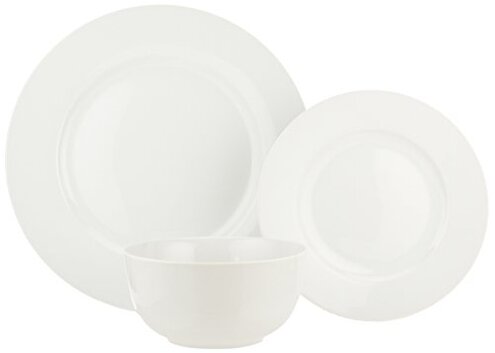
- Choose open-stock dinnerware if you worry about set completeness, so one broken piece does not force a bigger replacement.
- Look for thicker everyday sets if your home stacks dishes often, since that directly reduces the chip risk highlighted above.
- Prioritize stronger packaging signals if arrival damage is a major concern, especially for heavier plate-and-bowl sets.
- Consider patterned or less glossy dishes if visible utensil marks will annoy you, because they usually hide wear better than plain white surfaces.
- Buy a smaller trial set first if possible, which limits regret if durability falls short during the first weeks of real use.
The bottom line

The main regret trigger is simple: buyers want low-fuss everyday dishes, but the repeated complaints center on chips, cracks, and occasional arrival damage. That exceeds normal category risk because these problems show up during the exact routine use this kind of set is supposed to handle well. If you are tough on dishes or care about long-lasting appearance, this is one to skip.
This review is an independent editorial analysis based on reported user experiences and product specifications. NegReview.com does not sell products.