
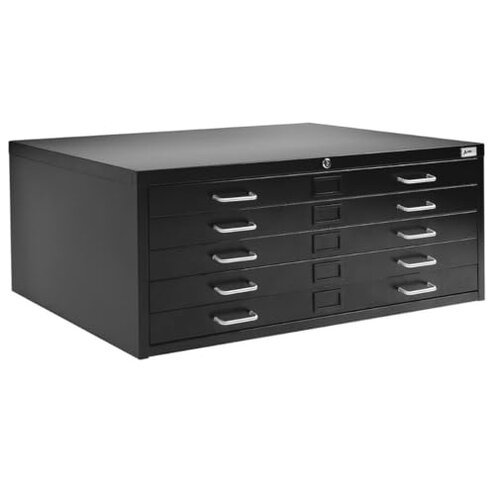
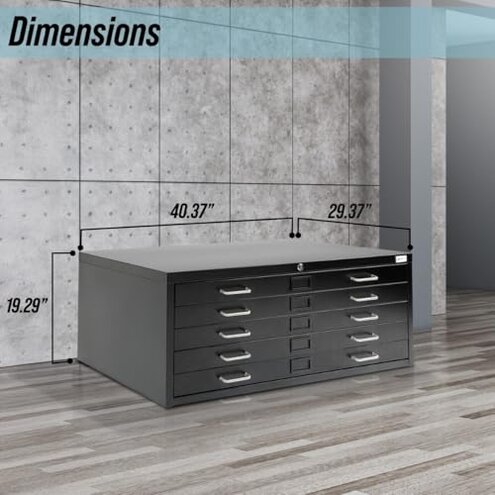
Product evaluated: Letaya 5 Drawer File Cabinet with Lock,Metal Lateral Filing Cabinets for Home Office Hanging Files Letter/Legal/F4/A4 Size(Black-Requires Installation)
Related Videos For You
How to fix your Steelcase lateral file drawer
Shed and Shelving 1800mm Metal Stationery Cabinet Assembly
Data basis: This report is based on dozens of buyer comments gathered from written feedback and video-style demonstrations collected from 2024 to 2026. Most signals came from written experiences, with visual posts mainly supporting setup, drawer fit, and day-to-day handling problems.
| Buyer outcome | This cabinet | Typical mid-range alternative |
|---|---|---|
| Assembly effort | Higher risk of extra steps because it arrives requiring full installation. | Moderate effort, often with fewer alignment-sensitive steps. |
| Drawer smoothness | Less consistent after setup if parts are even slightly off. | More forgiving in normal home-office assembly conditions. |
| Stability feel | Can feel uneven during daily opening if assembly is not exact. | Usually steadier under regular file access. |
| Locking confidence | More setup-dependent because fit affects how secure the drawers feel. | Usually simpler to use once built. |
| Regret trigger | Spending setup time and still getting drawers that do not line up cleanly. | Accepting basic assembly but expecting normal function afterward. |
Why does it feel like the hard part starts after delivery?
Primary issue: Assembly friction appears among the most common complaints for this cabinet. The regret moment usually happens on first setup, when buyers expect a straightforward build but run into parts that demand careful alignment.
Pattern: This is a recurring issue rather than a universal one. It feels worse than normal for this category because many mid-range file cabinets are annoying to assemble, but not as sensitive to small setup errors.
- Early sign: Trouble starts during setup when holes, panels, or slides seem to need extra adjustment.
- Frequency tier: This is the primary complaint, and it shows up more often than finish or storage concerns.
- Cause: The hidden requirement is precise assembly, not just basic assembly, which adds more time than buyers expect.
- Impact: Small mistakes can lead to bigger problems later, especially with drawer movement and cabinet balance.
- Attempts: Buyers commonly try re-tightening and loosening parts to correct fit after the frame is standing.
- Fixability: It is sometimes fixable, but only if you catch the alignment issue before fully loading the drawers.
- Why worse: That makes it more disruptive than a typical mid-range cabinet, where imperfect assembly is often less punishing.
Illustrative: “I expected assembly, not a long fight to make everything line up.”
Pattern: This reflects a primary complaint.
Why do the drawers feel off even after it is built?
Secondary issue: Drawer alignment and glide problems are persistent enough to matter because they affect daily use, not just setup day.
Context: The issue usually shows up after assembly, especially once drawers are opened repeatedly or loaded with hanging files. Compared with a reasonable category baseline, this cabinet seems less forgiving of tiny build errors than many similar metal file cabinets.
Trade-off: The cabinet offers large storage, but that benefit loses value fast if opening and closing never feels smooth.
- What buyers notice: Drawers may feel stiff, uneven, or not fully aligned front-to-front.
- When it worsens: The frustration grows during daily handling, especially when several drawers are used often.
- Relative rank: This is a secondary complaint, less frequent than assembly trouble but more frustrating when it continues.
- Why it matters: A filing cabinet should reward setup effort with predictable movement, and this one does not always do that.
- User impact: Buyers can end up opening drawers more carefully than expected, which defeats the point of a practical office cabinet.
- Fix attempts: Some try re-leveling or redistributing files, but that does not always remove the uneven feel.
Illustrative: “It holds files, but the drawers never feel quite right.”
Pattern: This reflects a secondary complaint.
Why does a heavy metal cabinet still feel less secure than expected?
- Primary concern: Stability complaints appear repeatedly after setup, especially when drawers are opened during normal office use.
- Usage moment: Buyers notice it during daily filing, not just while moving the cabinet into place.
- What worsens it: The issue feels more obvious when drawers are used often or when the cabinet is not sitting perfectly level.
- Category contrast: Metal file cabinets are expected to feel solid, so any wobble or unevenness feels worse than normal.
- Severity cue: This is among the more disruptive complaints because it changes confidence every time you open a drawer.
- Trade-off: The large size can help storage, but it also means poor alignment shows more than it would on a smaller cabinet.
- Fixability: Stability can improve with careful rechecking, but that adds effort beyond what many buyers expect at this price.
Illustrative: “It is heavy, but it still does not feel as steady as it should.”
Pattern: This reflects a primary complaint.
Why does the lock matter less if the cabinet fit is already imperfect?
- Edge-case issue: Lock and interlock frustration is less frequent than assembly or glide complaints, but it becomes more annoying when fit is already off.
- When it appears: Buyers notice it after setup, once they expect simple open-close-lock use.
- Why it happens: If drawer alignment is not clean, the lock can feel less confidence-inspiring in daily use.
- Impact: That makes a security feature feel like another step instead of a convenience.
- Category contrast: In this category, a basic lock does not need to be perfect, but it should be easy and predictable.
- Hidden requirement: Buyers may need better-than-expected alignment before the locking system feels smooth.
- Why regret happens: That is more upkeep than many mid-range alternatives, where locking usually works without as much tuning.
Illustrative: “The lock works better when everything is lined up just right.”
Pattern: This reflects an edge-case complaint.
Who should avoid this
- Avoid it if you want a cabinet that feels usable right after a basic build, because this one appears more alignment-sensitive than normal.
- Avoid it if you dislike troubleshooting furniture, since the main regret trigger is extra setup correction after assembly should be finished.
- Avoid it if you will open drawers constantly through the day, because any glide inconsistency becomes more annoying with repeated use.
- Avoid it if you expect the lock feature to feel seamless, because it can depend on precise fit more than buyers expect.
Who this is actually good for
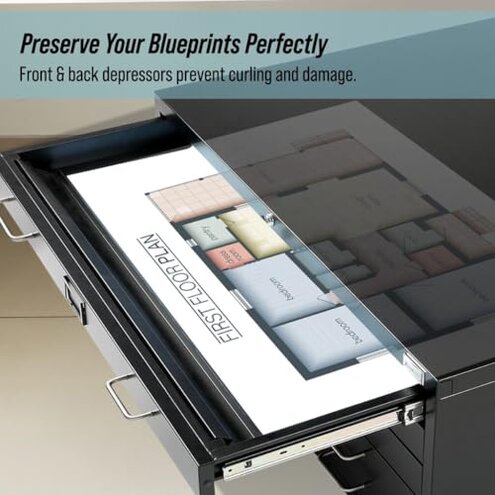
- Good fit for buyers who want large file storage and are comfortable spending extra time on careful setup.
- Good fit for someone with occasional rather than constant drawer use, where minor glide flaws may feel tolerable.
- Good fit if you value the all-metal design and can accept that function may depend heavily on assembly precision.
- Good fit for buyers who already expect to adjust and recheck furniture during installation.
Expectation vs reality
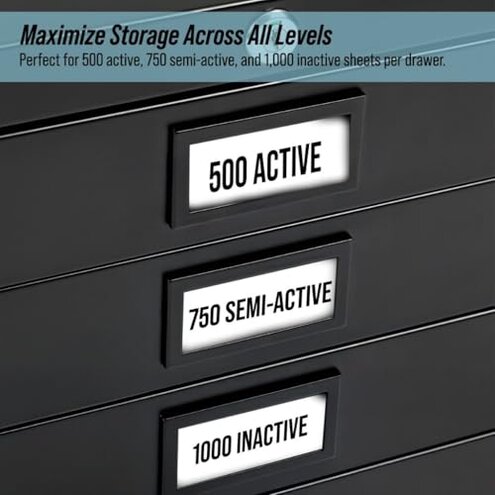
Expected: A reasonable buyer expects a mid-range file cabinet to need assembly but to become mostly straightforward once built.
Reality: Here, the setup itself can be the start of ongoing fit issues, which is worse than expected for this category.
- Expectation: Heavy metal construction should feel reassuringly stable.
- Reality: If alignment is off, the cabinet can feel less steady in daily drawer use than its weight suggests.
- Expectation: Large drawers should mean easy organization.
- Reality: That benefit is reduced when opening and closing needs more care than expected.
Safer alternatives
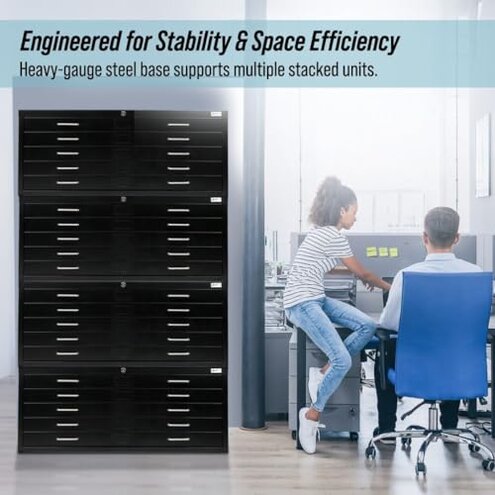
- Choose simpler assembly if you want to avoid the biggest risk here, because fewer alignment-sensitive steps reduce post-build drawer problems.
- Look for pre-assembled or mostly assembled cabinets if you do not want the hidden requirement of precision fitting.
- Prioritize drawer glide feedback over storage claims, since smooth daily use matters more than extra capacity when regret sets in.
- Check leveling needs before buying large cabinets, because big units can punish small floor or assembly issues more than expected.
- Prefer simpler locks if secure access matters, so lock use does not depend as much on perfect drawer alignment.
The bottom line
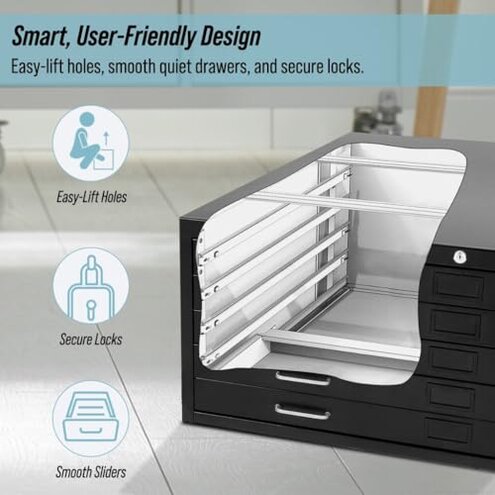
Main regret: The biggest risk is spending time on assembly and still ending up with drawers that feel off afterward. That exceeds normal category risk because the cabinet appears less forgiving than many mid-range alternatives when setup is not exact.
Verdict: If you want predictable function with minimal fuss, this is a skip candidate. It makes more sense only for buyers willing to trade extra setup effort for size and metal construction.
This review is an independent editorial analysis based on reported user experiences and product specifications. NegReview.com does not sell products.