
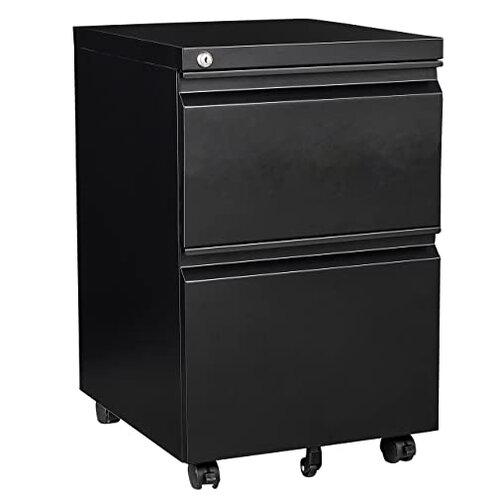
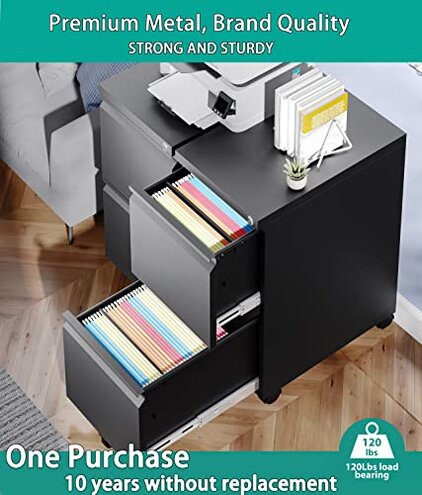
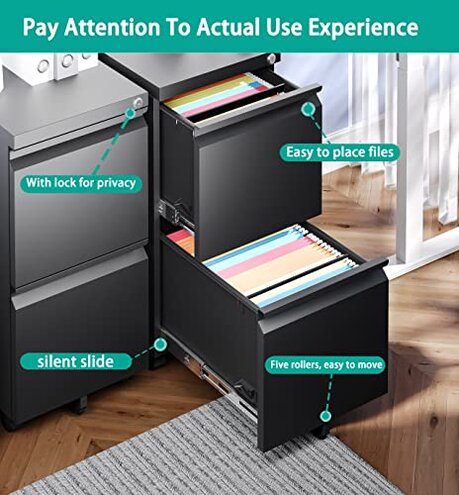
Product evaluated: SISESOL 2-Drawer Mobile File Cabinet - Under Desk Storage with Lock, Metal Filing Cabinet for Legal/Letter/A4 Files, Slim Width
Related Videos For You
DEVAISE | 3-Drawer Wood File Cabinet with Lock Assemble Guide
How to remove a drawer from metal file cabinet
Data basis: This report is based on dozens of buyer feedback samples collected from product-page writeups and short-form video impressions between 2023 and 2026. Most feedback came from written comments, with added context from setup demonstrations and owner photos showing fit, assembly, and daily drawer use.
| Buyer outcome | SISESOL cabinet | Typical mid-range alternative |
|---|---|---|
| Setup effort | Higher risk of extra steps because it arrives unassembled and needs full build work. | Usually lower effort, with fewer pieces or partial assembly already done. |
| Drawer feel | More variable after setup, especially if alignment is slightly off. | More forgiving to small setup mistakes in daily open-close use. |
| Mobility | Acceptable on paper, but movement depends heavily on build quality after assembly. | More consistent rolling performance in normal office use. |
| File fit | Usable for listed sizes, but tighter proportions can feel limiting in real spaces. | Usually roomier and less fussy for mixed file loads. |
| Regret trigger | Spending setup time only to get drawers that feel rough, uneven, or less sturdy than expected. | Most regret usually comes from looks or size, not basic day-to-day operation. |
Did you expect a quick build, then lose time getting it usable?
This is a primary issue. The biggest regret moment shows up during setup, not after months of use. Because this cabinet is sold as unassembled, recurring complaints center on extra build effort and parts alignment that add more time than buyers expect at this price.
That trade-off is more disruptive than expected for this category. Many budget file cabinets need some setup, but this one appears less forgiving when holes, panels, or rails are even slightly off during assembly.
- Pattern: Recurring complaints point to assembly friction as one of the most common negatives.
- When it hits: First use problems start before filing anything, especially when attaching drawers and rolling hardware.
- Why it worsens: Minor mistakes during setup can affect later drawer movement more than buyers expect.
- Impact: Extra time goes into rechecking steps, loosening parts, and retrying alignment.
- Hidden requirement: Patience and careful assembly matter more here than with many mid-range alternatives.
- Fixability: Sometimes fixable, but only if the issue is a small alignment miss rather than a more stubborn fit problem.
Are rough or uneven drawers the kind of thing that will annoy you every day?
This is another primary issue. After setup, the most repeated daily-use frustration is drawer alignment. Buyers notice it when a drawer does not slide smoothly, sits unevenly, or needs extra force.
It is not universal. But when it happens, it is more frustrating than a cosmetic flaw because you interact with the drawers constantly. In this category, buyers usually accept basic slides on a low-cost cabinet, but not constant resistance in ordinary office use.
- Signal: Appears repeatedly across feedback focused on actual use rather than just first impressions.
- Usage moment: Daily handling makes the problem obvious when opening and closing drawers several times.
- Severity cue: Among the most common complaints, because it affects the cabinet’s core job.
- Category contrast: Worse than normal because budget cabinets often feel basic, but should still open predictably.
- Likely trigger: Rail alignment and cabinet squareness seem less tolerant of small setup variation.
- Real-world effect: Small interruptions add up fast in a workday, especially if one drawer is used often.
- Workaround: Re-adjustment may help, but it adds effort after the initial build.
Do you need it to feel solid once loaded and moved around?
This is a secondary issue. The cabinet is described as sturdy and mobile, but persistent buyer concern tends to show up after setup and during repositioning. That matters because a rolling file cabinet gets pushed, turned, and parked under a desk regularly.
The risk here is not just wobble. It is the feeling that the unit depends heavily on perfect assembly to stay confidence-inspiring. Compared with a typical mid-range option, this feels less stable than expected when moved with files inside.
- Frequency tier: Secondary pattern, less frequent than drawer complaints but still persistent.
- When noticed: During movement, especially when rolling out from under a desk or locking it in place.
- What buyers notice: Confidence loss if the cabinet does not feel planted when drawers are used.
- Why it matters: Mobility issues are more frustrating here because wheels are a key selling point.
- Category baseline: Normal cabinets may wiggle slightly, but should not make users second-guess everyday repositioning.
- Mitigation: Light loads and less frequent movement can reduce the annoyance.
- Trade-off: Compact size helps fit under desks, but often makes stability feel more sensitive.
Is the slim size attractive, but you need flexible real storage?
This is a secondary issue. The narrow footprint solves one problem, but the trade-off appears during daily organization. Buyers looking for true file storage sometimes find the cabinet more limiting than the product photos suggest.
That is category-relevant. Slim cabinets are expected to hold less, but this can feel more restrictive than normal when mixing stationery, hanging files, and routine office clutter in only two drawers.
- Pattern: Persistent dissatisfaction shows up among buyers expecting a bigger usability payoff from the file format.
- Usage anchor: After setup, the limitation becomes obvious when trying to separate supplies from documents.
- Main conflict: Two shallow drawers reduce flexibility for people with mixed office storage needs.
- Why regret happens: Under-desk fit sounds convenient until capacity runs short faster than expected.
- Category contrast: Reasonable for this category is compact storage, but buyers still expect less juggling between file types.
- Best-case use: Light paperwork and minimal accessories make the size easier to live with.
Illustrative excerpt: “Took longer to build than expected, then one drawer still felt off.” Primary pattern tied to setup and alignment frustration.
Illustrative excerpt: “Looks fine under the desk, but opening it smoothly is hit or miss.” Primary pattern reflecting daily drawer resistance.
Illustrative excerpt: “Good idea for a small office, just not as sturdy when rolling loaded.” Secondary pattern tied to movement confidence.
Illustrative excerpt: “Slim size helped, but I ran out of practical storage faster than expected.” Secondary pattern showing capacity trade-off.
Who should avoid this
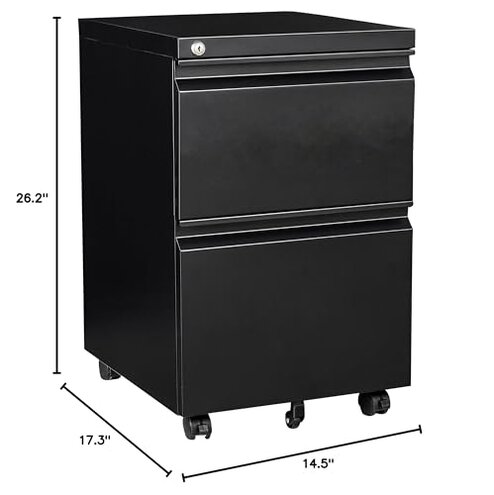
- Avoid it if you hate assembly projects where small setup errors can create lasting daily annoyance.
- Avoid it if drawer smoothness matters more to you than getting the lowest entry price.
- Avoid it if you plan to roll it around often with files inside and want consistent stability.
- Avoid it if you need one compact cabinet to handle both documents and lots of office supplies.
Who this is actually good for
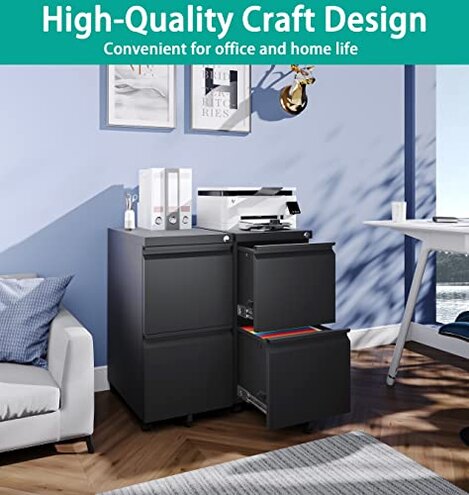
- It fits buyers who want a low-cost under-desk cabinet and can tolerate careful assembly.
- It suits light-duty users storing a modest amount of letter, legal, or A4 files.
- It works for people who will place it once and move it only occasionally.
- It helps buyers who value a locking drawer unit and accept that refinement may be limited.
Expectation vs reality
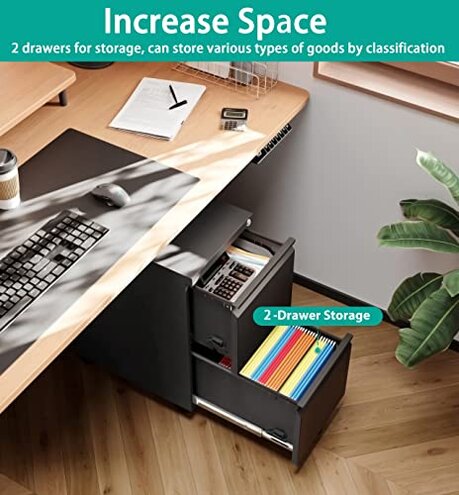
Expectation: A budget metal file cabinet should need assembly, but still go together without much trial and error.
Reality: Setup friction appears higher than reasonable for this category, and mistakes can carry into daily drawer use.
Expectation: Slim cabinets should hold less, but still feel practical for basic home-office sorting.
Reality: Storage flexibility can feel tighter than expected once files and supplies compete for the same small space.
Expectation: Casters should make under-desk access easier.
Reality: Mobility confidence depends more on build quality than many buyers expect.
Safer alternatives
- Choose pre-assembled or partially assembled file cabinets if your biggest risk is setup frustration.
- Prioritize drawer glide feedback when comparing options, because smooth daily use matters more than spec sheets.
- Look for wider cabinets if you need mixed storage, since slim units run out of flexible space quickly.
- Favor models with stronger stability feedback if you will move the cabinet often during the week.
- Check real setup videos before buying, because hidden assembly difficulty is easier to spot than in product photos.
The bottom line
The main regret trigger is spending time assembling a cabinet that may still have rough drawer action afterward. That exceeds normal category risk because the hassle starts before useful daily storage begins and can keep affecting every open-close cycle. If you want low cost and compact size, it may be acceptable. If you want easy setup and dependable drawer feel, this is one to skip.
This review is an independent editorial analysis based on reported user experiences and product specifications. NegReview.com does not sell products.