
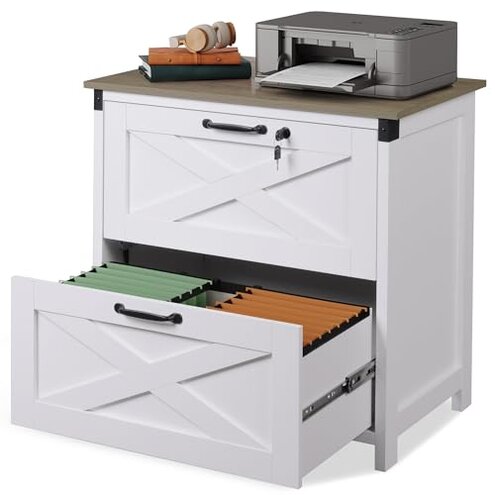
Product evaluated: DEVAISE 2 Drawer Farmhouse File Cabinet with Lock, Lateral Filing Cabinet for Letter/Legal/A4 Size, Wood Printer Stand for Home Office, White
Related Videos For You
Lateral file Set Up
Abus File Cabinet Locking Bar Installation
Data basis: This report reflects dozens of buyer comments collected from written feedback and buyer-uploaded photo or video demonstrations during the recent 12 months. Most feedback came from detailed written reviews, with visual posts helping confirm setup, drawer use, and finish-related problems seen during real home office use.
| Buyer outcome | DEVAISE cabinet | Typical mid-range alternative |
| Assembly effort | Higher setup burden, with more chances for alignment mistakes during first build. | Moderate setup is still normal, but usually more forgiving. |
| Drawer smoothness | Mixed results after setup, especially if alignment is slightly off. | More consistent daily opening and closing. |
| Finish tolerance | Less forgiving if damaged during shipping or label removal. | Usually easier to live with minor cosmetic issues. |
| Safety hardware | Higher-than-normal risk of extra wall-mount or anti-tip steps feeling mandatory for confidence. | Expected anti-tip steps, but often less intrusive in daily ownership. |
| Regret trigger | Looks good in photos, but setup and drawer behavior can undercut the value fast. | Plainer style, but fewer buyer complaints about day-one usability. |
Will you regret it the minute assembly starts?
Primary issue: Assembly friction appears among the most common complaints. The regret moment usually happens on first setup, when buyers expect a routine cabinet build and run into extra time, alignment sensitivity, or confusing steps.
Why it hits harder: Some setup hassle is normal in this category, but this appears less forgiving than typical mid-range filing furniture. Small mistakes during assembly can carry into drawer fit and daily use.
- Pattern: This issue appears repeatedly across buyer feedback, though it is not universal.
- When: It shows up during first build, especially when assembling drawers and getting the frame square.
- Early sign: If holes, panels, or slides seem slightly off early, later drawer problems often become more likely.
- Impact: The main cost is extra time, plus the chance of taking parts back apart to correct fit.
- Hidden requirement: Buyers may need more patience and more careful step-checking than expected for a cabinet at this price.
- Fixability: Careful rechecking can help, but the product seems sensitive to even minor assembly error.
Do the drawers become the daily annoyance?
Primary issue: Drawer operation is a recurring complaint and often more frustrating than appearance flaws. The problem usually shows up right after setup or during the first week of regular filing.
Why it feels worse: Buyers reasonably expect a filing cabinet to do one thing well: open smoothly and hold files without fuss. In this category, occasional stiffness happens, but repeated drag or uneven movement feels worse than normal because it affects every use.
- Frequency tier: This is a primary pattern, second only to setup complaints in buyer frustration.
- Usage moment: It shows up during daily handling when opening full-width drawers for files or office supplies.
- Worsens when: It tends to feel worse when the cabinet is fully loaded or if alignment was not exact during assembly.
- Cause signal: Buyers commonly connect the issue to fit and alignment, not just personal preference.
- Practical effect: The cabinet can feel less convenient for quick filing, which defeats the point of a lateral file cabinet.
- Trade-off: The farmhouse look may still please style-focused buyers, but the daily function trade-off is the bigger risk.
- Mitigation: Careful assembly and not overstuffing drawers may help, but this does not seem fully reliable.
Does the finish hold up like the photos suggest?
Secondary issue: Cosmetic disappointment is less frequent than assembly trouble, but it stays frustrating because buyers notice it immediately. This usually appears at unboxing or when dealing with the required safety label.
Why it stands out: A filing cabinet in this style category is bought partly for looks, so visible flaws feel more personal than on a plain utility cabinet.
Extra concern: The product description itself warns that the safety label uses strong glue and may damage the surface if removed. That makes this a genuine hidden ownership requirement, not just a random edge case.
- Pattern: This appears as a secondary pattern across feedback sources, especially around first impressions.
- When: Problems show up at delivery or during cleanup after assembly.
- Buyer-visible issue: The finish can look less clean than expected if there is shipping wear or label damage.
- Category contrast: Minor scuffs are normal in flat-pack furniture, but a label that can damage the surface is more intrusive than usual.
- Attempted fix: The listing suggests using gentle heat and slow peeling, which adds extra care steps many buyers will not expect.
Does the safety design create extra hassle?
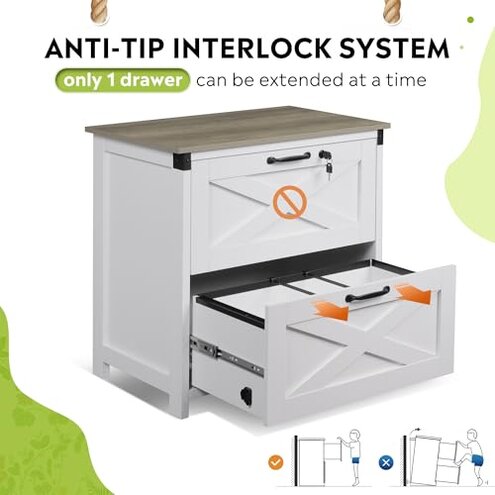
- Persistent issue: The anti-tip and interlock setup is a less frequent but persistent complaint when buyers want quick, flexible use.
- When it appears: It becomes noticeable after setup when trying to access more than one drawer or deciding whether wall hardware is necessary.
- Main frustration: The one-drawer-at-a-time behavior can feel limiting during sorting or reorganization sessions.
- Worsens when: It is more noticeable in busy home office use, where buyers want faster access to multiple sections.
- Category contrast: Anti-tip features are expected now, but this can feel more restrictive than a typical mid-range alternative.
- Trade-off: The feature improves safety, but some buyers will see it as extra friction rather than reassurance.
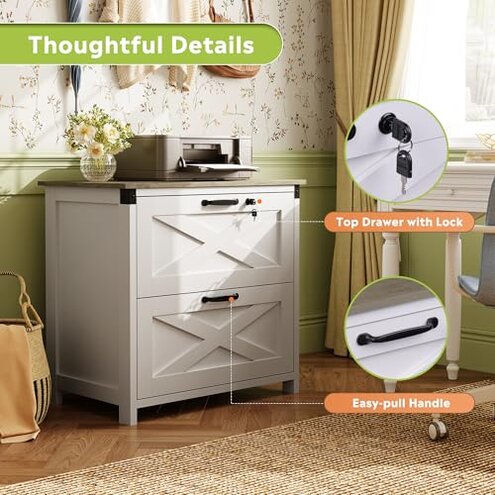
- Lock context: The top drawer lock adds privacy, but it also creates another small daily step for users who open that drawer often.
Illustrative excerpt: “It looked simple online, but the build took way more effort than expected.” Primary pattern.
Illustrative excerpt: “The drawer works, but it never feels as smooth as it should.” Primary pattern.
Illustrative excerpt: “Nice style, but the finish worried me right out of the box.” Secondary pattern.
Illustrative excerpt: “Removing that warning label felt risky for the surface.” Secondary pattern.
Illustrative excerpt: “I did not expect the safety setup to add this many steps.” Edge-case pattern.
Who should avoid this
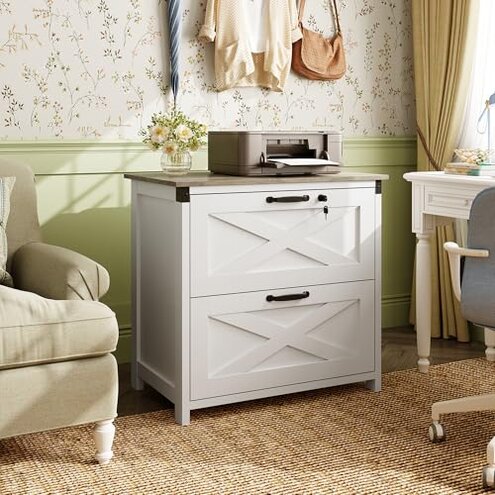
- Avoid it if you want a low-stress build, because setup sensitivity appears more often than buyers expect for this category.
- Avoid it if drawer smoothness matters more than style, since daily opening friction is a primary regret trigger.
- Avoid it if you are picky about visible finish details, because label removal and shipping wear can hurt first impressions.
- Avoid it if you hate restrictive safety features, since one-drawer interlock can feel limiting during active filing sessions.
Who this is actually good for
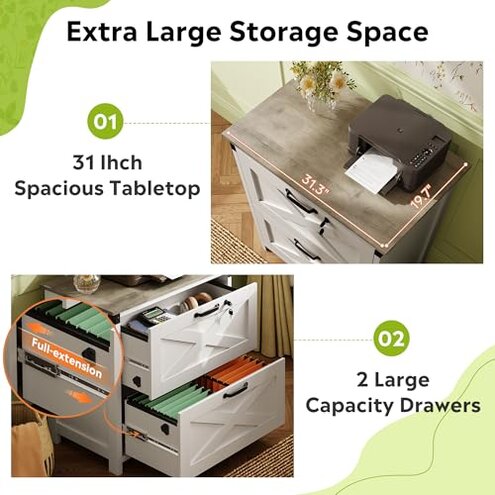
- Good fit for buyers who care most about the farmhouse look and can tolerate a more careful assembly process.
- Good fit for light home office use where drawers are opened occasionally rather than heavily loaded every day.
- Good fit for users who want a locking top drawer and accept extra steps for privacy and safety.
- Good fit for patient DIY buyers who are willing to square the frame carefully and live with some setup risk.
Expectation vs reality
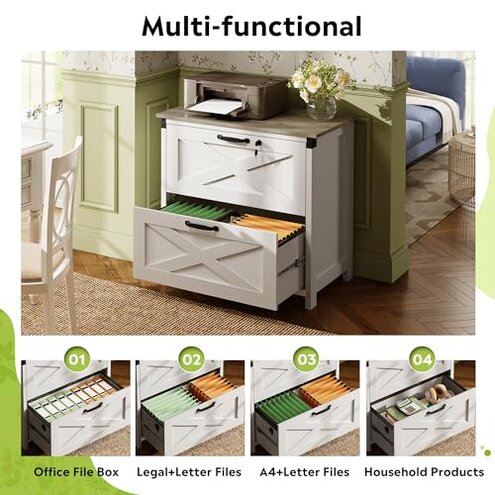
- Expectation: A mid-range file cabinet should need routine assembly. Reality: This one appears less forgiving, so small setup errors can turn into drawer issues.
- Expectation: Wide drawers should feel smooth enough for daily filing. Reality: Repeated feedback suggests operation can feel rougher than expected after setup.
- Expectation: Decorative office furniture should still survive basic unboxing with minimal fuss. Reality: Finish concerns and label removal make first-day ownership feel riskier.
- Expectation: Safety hardware should add peace of mind. Reality: Here it may also add noticeable limits and extra steps in real use.
Safer alternatives
- Choose simpler assembly if you want lower setup risk, especially cabinets with fewer alignment-dependent parts.
- Prioritize drawer glide feedback if daily filing matters most, because this directly reduces the main functional regret trigger.
- Look for finish-friendly labels or removable stickers if appearance matters, since this product has a stated surface-risk warning.
- Check anti-tip design before buying if you often access multiple drawers during organizing sessions.
- Prefer plainer office cabinets if function matters more than style, because decorative designs sometimes bring more upkeep and fit sensitivity.
The bottom line
Main regret: Buyers are most likely to regret the setup-to-drawer chain reaction, where a tricky build leads to less satisfying daily use. That exceeds normal category risk because filing cabinets are expected to be function-first, and this one appears less forgiving than a typical mid-range alternative. Verdict: Avoid it if you want dependable function with minimal fuss, and only consider it if the style matters enough to accept extra setup and usability trade-offs.
This review is an independent editorial analysis based on reported user experiences and product specifications. NegReview.com does not sell products.