
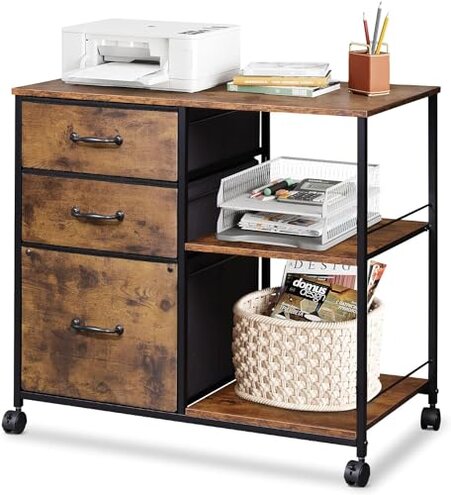
Product evaluated: DEVAISE 3 Drawer Mobile File Cabinet, Rolling Printer Stand with Open Storage Shelf, Fabric Lateral Filing Cabinet fits A4 or Letter Size for Home Office, Rustic Brown Wood Grain Print
Related Videos For You
Building a Rolling File Cabinet
Best Workshop Storage - File Cabinets?
Data basis This report summarizes dozens of buyer comments collected from written feedback and short video-style demonstrations between 2023 and 2026. Most feedback came from written experiences, with visual setup clips helping confirm where problems show up during assembly and daily office use.
| Buyer outcome | DEVAISE cabinet | Typical mid-range alternative |
|---|---|---|
| Assembly ease | More setup-sensitive; alignment frustration appears repeatedly during first assembly. | Usually simpler; minor alignment tweaks are common but less disruptive. |
| Drawer feel | Lighter-duty feel; fabric storage is a primary complaint for buyers expecting a solid cabinet feel. | More structured; drawers usually feel firmer in daily handling. |
| File support | Less forgiving; hanging files work, but fit complaints appear when folders are fuller or handled often. | More stable; file drawers usually tolerate repeated access better. |
| Mobility | Easy to roll, but movement can make the light build feel less steady than expected. | Moderate; often heavier, but steadier once loaded. |
| Regret trigger | Looks sturdier online than it feels after setup, which is a higher-than-normal category risk. | Closer match between listing expectations and daily-use feel. |
Did you expect a sturdier cabinet than what shows up?
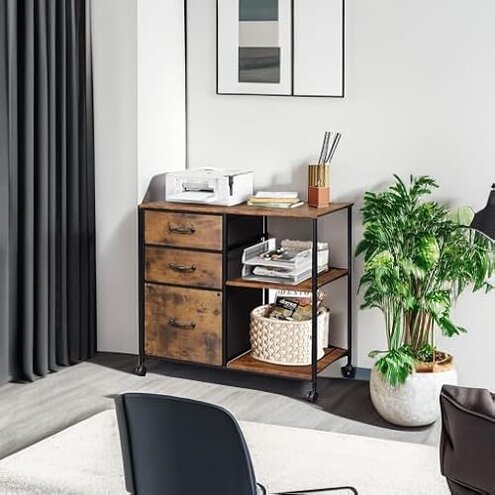
This is the primary issue. The regret moment usually happens right after setup, when buyers push the unit into place and realize it feels lighter and less solid than the pictures suggest.
The pattern is recurring. Lightweight storage is normal in this category, but this one appears more disappointing than typical when used as a daily file cabinet rather than occasional paper storage.
When it shows up, the concern starts on first use and gets more obvious once the top holds a printer or the drawers get filled.
Why it feels worse than normal is simple: many mid-range alternatives are also compact, but they usually feel more confidence-inspiring during pulling, rolling, and re-positioning.
- Early sign: the cabinet can seem fine while empty, then feel less steady after normal office loading.
- Frequency tier: this appears repeatedly and ranks among the most common complaints.
- Buyer impact: the mismatch between appearance and feel is more frustrating than expected for this price tier.
- Fixability: careful placement helps, but it does not fully change the light-duty feel.
Will the drawers feel smooth and dependable every day?
- Pattern: this is a primary issue, with repeated complaints tied to daily opening and closing after assembly.
- Usage moment: the annoyance shows up when grabbing files quickly during work, especially if drawers are opened often.
- Main problem: the drawer design feels less substantial than many buyers expect from a filing cabinet, even a compact one.
- Why worse than normal: budget office cabinets often trade strength for price, but this one seems less forgiving in regular use than typical mid-range options.
- Hidden requirement: buyers may need to keep loads modest and handle drawers more gently than expected for a file cabinet.
- Practical cost: that adds extra care steps, which undercuts the convenience people usually want from rolling office storage.
- Not universal: some light-use buyers accept it, but the complaint stays persistent among people treating it like a true workday cabinet.
Do the file drawers work smoothly once folders are actually loaded?
- Pattern: this is a secondary issue; less frequent than the flimsy-feel complaint, but more frustrating when it affects daily filing.
- When it appears: problems tend to show up after setup, once hanging folders are added and used repeatedly.
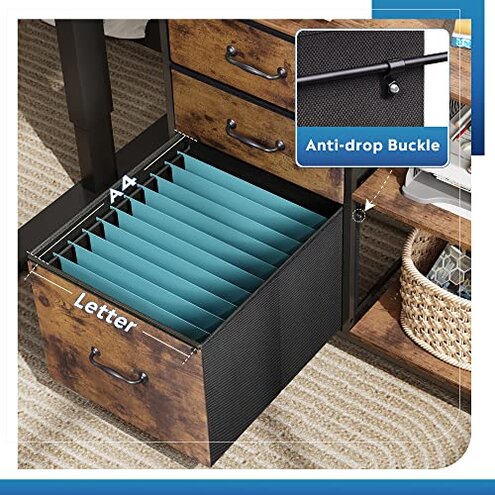
- What buyers notice: file fit can feel less stable or less convenient than expected, especially with fuller folders.
- Why it matters: a filing cabinet that technically fits A4 or letter folders can still disappoint if access feels fussier than expected.
- Category contrast: compact file cabinets always have limits, but buyers commonly expect smoother file handling than this unit consistently delivers.
- Worsening condition: frequent opening, heavier paperwork, and quick grab-and-return use make the weakness easier to notice.
- Workaround: lighter file loads help, but that reduces the storage value people bought it for.
- Regret point: the unit saves space, yet the filing experience can demand more patience than a typical mid-range alternative.
Is assembly simple, or does it turn into a time sink?
- Pattern: this is a secondary issue that appears across multiple feedback types, especially during first-time setup.
- Real moment: frustration starts when parts need alignment and the cabinet does not come together as quickly as expected.
- Severity: it is usually not a deal-breaker by itself, but it becomes more irritating when paired with a light-duty final result.
- Why worse than normal: flat-pack office storage usually needs some patience, but buyers expect that effort to end in a sturdier-feeling product.
- Common trigger: assembly feels more annoying for solo setup or tight home-office spaces.
- Fixability: slow, careful assembly helps reduce mistakes, but it adds time and does not guarantee a more solid outcome.
Does the rolling design actually help, or just expose the light build?
- Pattern: this is an edge-case issue, but it is persistent for people who move the cabinet often.
- When it shows up: the trade-off becomes clear during re-positioning, cleaning, or shifting it under a desk.
- What changes: easy movement is convenient, yet frequent rolling can make the cabinet feel less planted than heavier alternatives.
- Category contrast: mobility is expected in this class, but many buyers still expect better stability once the wheels are locked.
- Best mitigation: keeping it mostly stationary reduces the annoyance, though that weakens one of its headline benefits.
Illustrative excerpt: “Looks nice, but it felt more temporary than office-furniture solid.” Primary pattern.
Illustrative excerpt: “The drawers work, just not as smoothly once I loaded files.” Secondary pattern.
Illustrative excerpt: “Setup took more adjusting than I expected for something this small.” Secondary pattern.
Illustrative excerpt: “Easy to roll, but it feels less steady when moved around.” Edge-case pattern.
Who should avoid this
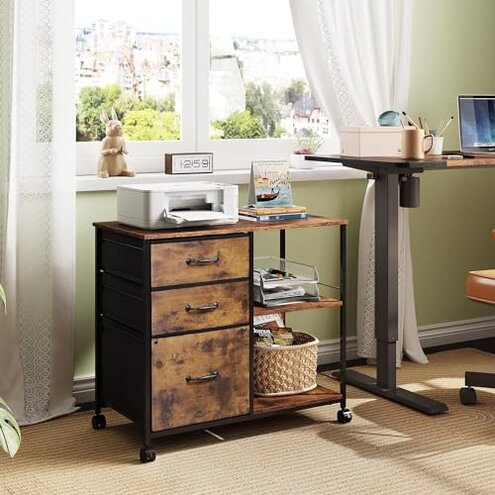
- Skip it if you want a cabinet that feels solid from day one, because the light-duty feel is the main regret trigger.
- Avoid it if you open file drawers all day, since repeated handling is where the weaker drawer experience becomes more noticeable.
- Pass if you need dense file storage in a small footprint, because fuller folders can make usability feel fussier than expected.
- Not ideal for buyers who hate assembly trial-and-error, especially when a more substantial end result is expected.
Who this is actually good for
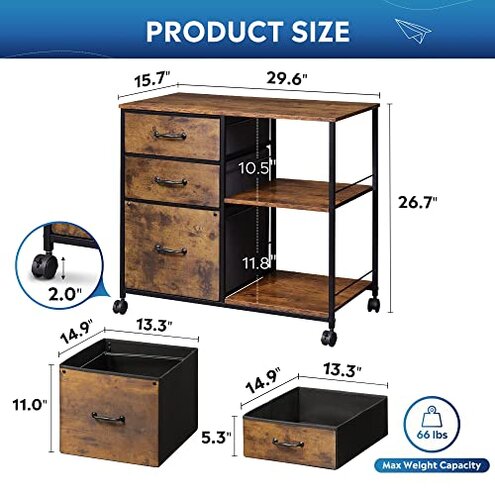
- Good fit for light home-office use where papers are limited and the drawers are not opened constantly.
- Reasonable choice if you care more about compact size and easy movement than a heavy, furniture-like feel.
- Works better for storing mixed office supplies, where the filing limitations matter less than the extra shelf space.
- Acceptable for buyers willing to tolerate gentler drawer handling in exchange for a lower-cost, space-saving setup.
Expectation vs reality
Expectation: a rolling file cabinet should feel compact but still reasonably sturdy for this category.
Reality: the cabinet often feels lighter and less confidence-inspiring than that baseline once assembled and loaded.
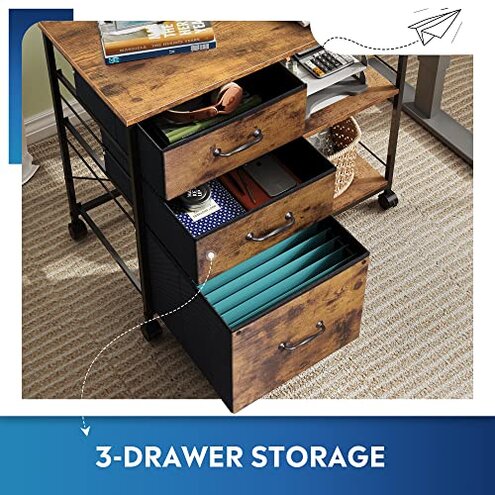
Expectation: drawers that fit hanging files should stay convenient during normal office use.
Reality: file handling can become more finicky during repeated access, especially with fuller folders.
Expectation: easy assembly should lead to quick setup with minor adjustments only.
Reality: setup can take more patience than expected, which stings more because the finished product may still feel light-duty.
Safer alternatives
- Choose heavier units if stability matters more than mobility, because extra weight usually reduces the flimsy-feel risk.
- Look for rigid drawers if daily filing is your main task, since they are typically more forgiving with fuller folders.
- Prioritize simple assembly when shopping compact office storage, especially if you do not want alignment-sensitive setup.
- Buy for real load rather than claimed fit, and check whether the cabinet is meant for active file use or light mixed storage.
The bottom line
The biggest regret trigger is the gap between the cabinet’s appearance and its lighter, less solid feel in daily use. That risk is higher than normal for this category because buyers can tolerate compactness, but usually expect a more dependable drawer and filing experience. If you need true everyday file storage, this is easier to skip than to justify.
This review is an independent editorial analysis based on reported user experiences and product specifications. NegReview.com does not sell products.