
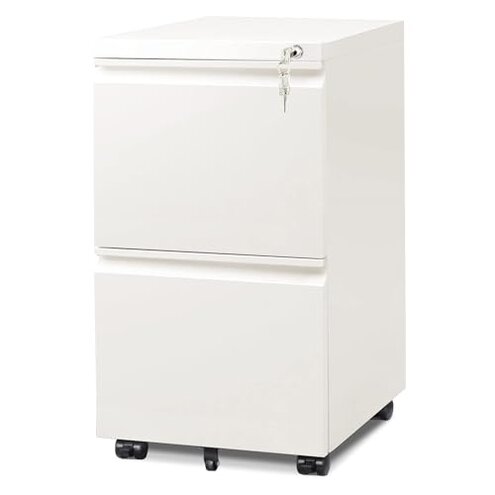
Product evaluated: DEVAISE 2 Drawer Mobile File Cabinet with Lock, Commercial Vertical Filing Cabinet for Home Office, White
Related Videos For You
DEVAISE | 3-Drawer Wood File Cabinet with Lock Assemble Guide
Can a Filing Cabinet Save Your Life?
Data basis: This report summarizes dozens of buyer impressions collected from written feedback and short-form video demonstrations between 2023 and 2026. Most input came from detailed written comments, with added context from photo-backed posts and setup clips, which helps separate first-day assembly frustration from problems that show up during daily use.
| Buyer outcome | DEVAISE 2-drawer | Typical mid-range alternative |
| Assembly effort | Higher chance of setup friction and drawer adjustment time | Lower chance of extra alignment tweaking |
| Drawer feel | Less consistent opening and closing after setup | More predictable slide action in daily use |
| Locking confidence | Mixed because fit issues can affect how secure drawers feel | More reliable if cabinet arrives square |
| Stability risk | Higher-than-normal frustration if load balance or wheel setup is off | Usually easier to roll and position without extra fuss |
| Regret trigger | Looks sturdy but adds time fixing small fit problems | Less polished looks sometimes, but fewer setup surprises |
Why do the drawers feel off right after setup?
This is the primary issue. The biggest regret moment usually happens during assembly or the first week, when buyers expect smooth drawer action but get rubbing, uneven gaps, or drawers that do not close cleanly.
The pattern appears repeatedly. It is more disruptive than expected for this category because a basic filing cabinet should not need much trial-and-error just to feel square.
- When it starts: The problem usually shows up after setup, especially on the first few open-close cycles.
- Frequency tier: This is a primary complaint and appears more often than cosmetic concerns.
- What buyers notice: The drawers can feel misaligned, scrape slightly, or sit unevenly when closed.
- Why it frustrates: The cabinet may look simple, but small fit errors add extra steps before it works like expected.
- Category contrast: Most mid-range file cabinets still need assembly, but they are usually more forgiving if everything is tightened in normal order.
- Attempts to fix: Buyers commonly try loosening and re-tightening hardware to square the frame and improve slide movement.
- Fixability: Some units improve with adjustment, but the issue is not universal and not always easy to solve quickly.
Does the cabinet take more setup patience than it should?
Yes, for many buyers. A secondary but persistent complaint is that assembly feels more finicky than expected, even though this category usually involves straightforward parts.
The hidden requirement is careful squaring during assembly. If the frame is even slightly off, drawer performance can worsen during daily filing and make the whole cabinet feel cheaper than its price suggests.
This matters more than normal. Reasonable buyers expect some setup time, but not a cabinet that can punish small assembly mistakes with ongoing drawer friction.
Will the locking and rolling features feel dependable every day?
- Mixed confidence: This is a secondary issue, less frequent than drawer alignment complaints but more frustrating when it affects security.
- Usage moment: It tends to show up during daily handling, when buyers roll the cabinet or lock it at the end of work sessions.
- What goes wrong: If the cabinet is not sitting quite right, the lock feel can seem less reassuring because drawer closure is already inconsistent.
- Mobility impact: The wheel setup sounds helpful, but buyers can become more aware of positioning fuss when the cabinet is loaded and moved often.
- Why this feels worse: In this category, lock-and-roll convenience should reduce friction, not add more checking before walking away.
- Not universal: Some owners have no major trouble, but this pattern is persistent enough to matter if you need dependable everyday filing.
Is the finish and first impression better than the long-term experience?
- Primary regret: Buyers often like the clean look at first, then feel let down when function does not match the appearance.
- When it hits: This usually becomes obvious in the first days of use, not months later.
- Pattern signal: The complaint is recurring across feedback that mentions “nice design” paired with setup or fit frustration.
- Real impact: A cabinet that looks modern but opens poorly creates daily annoyance, not just a one-time assembly complaint.
- Category contrast: Many mid-range office cabinets trade premium styling for simpler function, and that can be safer for buyers who care about reliability first.
Illustrative excerpt: “Looks sharp, but one drawer never felt right after assembly.” Primary pattern.
Illustrative excerpt: “I spent extra time adjusting screws just to make it usable.” Primary pattern.
Illustrative excerpt: “It rolls, but I keep checking whether everything is fully closed.” Secondary pattern.
Illustrative excerpt: “Good size for under a desk, bad surprise on drawer fit.” Secondary pattern.
Who should avoid this
- Avoid it if you want near-zero setup hassle, because alignment complaints are among the most common frustrations.
- Avoid it if you open drawers constantly all day, since small fit problems feel worse with frequent use.
- Avoid it if secure locking is your main reason for buying, because inconsistent drawer closure can reduce confidence.
- Avoid it if you dislike assembly tweaking, since this cabinet seems less forgiving than typical mid-range options.
Who this is actually good for
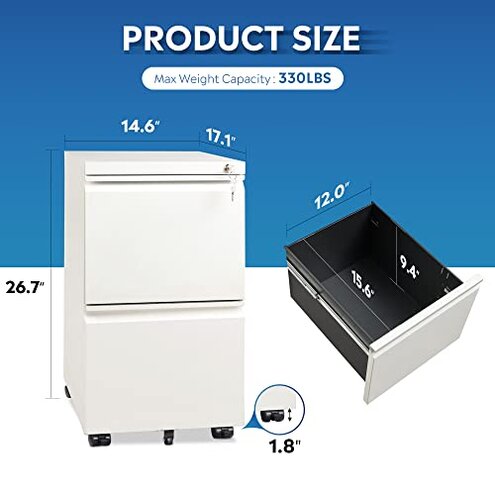
- Better fit for buyers who mainly want a compact cabinet-printer stand and can tolerate some setup adjustment.
- Better fit for light home office use where drawers are opened less often and small friction matters less.
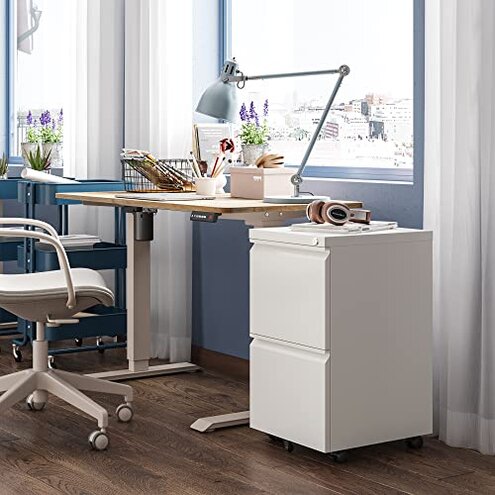
- Better fit if matching a modern white workspace matters enough that you accept extra assembly patience.
- Better fit for people comfortable re-squaring furniture during setup to improve day-one performance.
Expectation vs reality
Expectation: A reasonable buyer in this category expects basic assembly, then smooth drawer use.
Reality: This model appears less forgiving than normal if setup is not perfectly square.
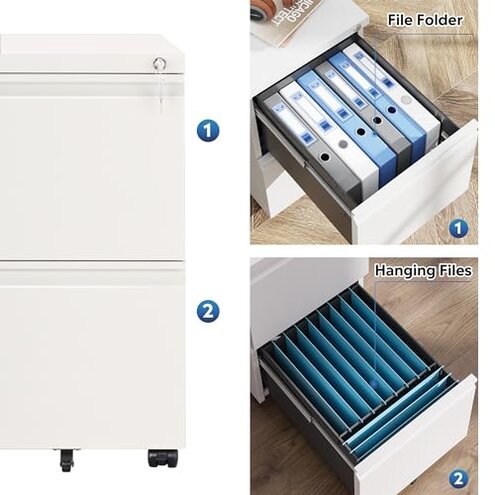
Expectation: Locking casters and a center wheel should make mobility feel stable and simple.
Reality: Some buyers still run into everyday friction because drawer fit issues distract from those benefits.
Expectation: A sturdy metal cabinet should feel dependable from the start.
Reality: The bigger risk is not strength on paper, but function mismatch between appearance and daily use.
Safer alternatives
- Choose pre-assembled or mostly assembled file cabinets if you want to avoid the hidden requirement of careful frame squaring.
- Look for slides praised for smooth action, because that directly reduces the main regret trigger of drawer misalignment.
- Prioritize simple caster designs if you move the cabinet often, since easier rolling matters more than extra feature claims.
- Pick models with consistent assembly feedback rather than just good looks, because setup tolerance is the real difference here.
- Consider a basic non-locking unit if security is not essential, since simpler designs often have fewer fit-related frustrations.
The bottom line
Main regret trigger: the cabinet can look sturdy and attractive, then disappoint with drawer alignment and setup sensitivity. That exceeds normal category risk because basic file cabinets should tolerate ordinary assembly without turning daily filing into a chore. Verdict: skip it if you want dependable function first, and only consider it if you accept possible tweaking for the size and look.
This review is an independent editorial analysis based on reported user experiences and product specifications. NegReview.com does not sell products.