
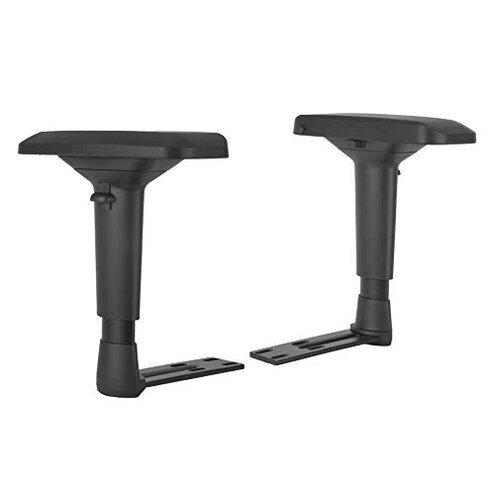
Product evaluated: Replacement Adjustable Arms Armrest Pair Upright Bracket with Pads Fits Most Gaming Chairs (4D)
Related Videos For You
How to change your Secret Labs arm rest pad.
Should you use an arm rest when gaming?
Data basis: This report uses dozens of buyer comments gathered from written feedback and photo or video-backed impressions collected from 2021 to 2026. Most feedback came from written reviews, with smaller support from visual setup demonstrations, which helps show both first-install problems and longer-use complaints.
Comparative risk snapshot
| Buyer outcome | This armrest pair | Typical mid-range alternative |
|---|---|---|
| Fit confidence | Lower; compatibility confusion appears repeatedly during setup. | Better; fit is usually clearer by chair model or mounting pattern. |
| Install effort | Higher; extra checking and adjustment are commonly needed after unboxing. | Moderate; usually fewer trial-and-error steps. |
| Daily stability | Mixed; less frequent than fit issues but more frustrating during long sitting sessions. | More predictable; normal movement without as much re-tightening. |
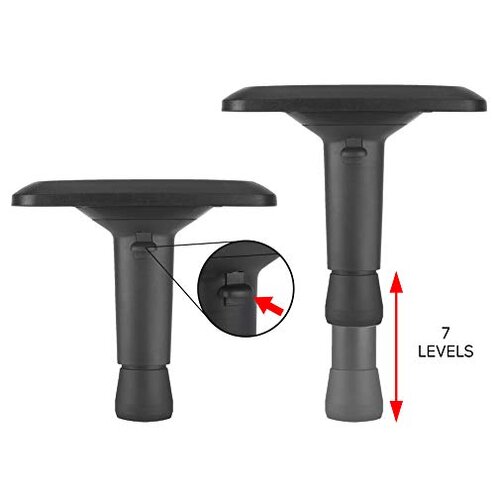
| Adjustment feel | Inconsistent; fully adjustable sounds helpful, but play or awkward positioning is a persistent complaint. | More controlled; fewer complaints about unwanted movement. |
| Higher-than-normal risk | Yes; replacement parts should reduce hassle, but this often adds setup uncertainty. | Usually no; category baseline is simpler replacement, not extra guesswork. |
| Regret trigger | Buying to save a chair, then finding the armrests do not line up or feel right. | Paying a bit more, but avoiding repeat install attempts. |
Top failures
Did you buy these expecting an easy fit, then get stuck matching holes and brackets?
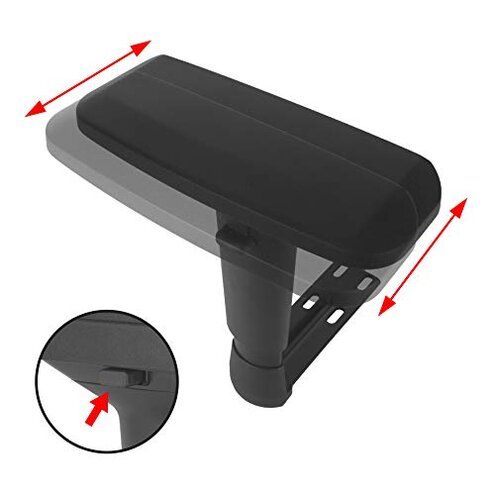
This is the primary issue. Compatibility trouble is among the most common complaints, and it usually shows up during first installation. The trade-off is obvious: the lower-cost repair path can turn into extra measuring, comparing, and hoping.
The pattern is recurring. Even though the listing says it fits most gaming chairs, buyers commonly report that “most” still leaves too much room for mismatch. Compared with a typical mid-range replacement set, that uncertainty feels worse than normal because replacement parts are supposed to be straightforward.
- Early sign: The holes or bracket position look close, but not close enough once you actually line them up on the chair.
- Frequency tier: This appears repeatedly and stands out as the main regret trigger.
- Usage moment: It usually appears right after unboxing, when buyers try to reuse their original mounting points.
- Impact: Installation can stop completely, or it adds extra steps and return risk.
- Hidden requirement: You may need to pre-check measurements instead of relying on the broad fit claim.
Illustrative excerpt: “I thought universal meant simple, but the holes were just off.”
Pattern: Primary pattern reflecting the fit mismatch complaint.
Do the armrests feel too loose or less solid once you finally get them mounted?
This is a secondary issue. Stability complaints are less frequent than fit problems, but more frustrating during daily use because you notice them every time you lean or shift. For long sessions, that can make the chair feel partly repaired instead of fully fixed.
The pattern is persistent, not universal. Buyers who use armrests heavily, or push off them while standing, tend to notice the problem more. That is a bigger annoyance than normal for this category because mid-range alternatives usually feel tighter once installed correctly.
The trade-off: You may get your chair usable again, but not restored to the original feel. That gap matters more over time than it does on day one.
Illustrative excerpt: “They fit after work, but the arms still had too much wiggle.”
Pattern: Secondary pattern tied to installed-but-not-solid results.
Is the 4D adjustment more annoying than helpful in real use?
- Core problem: The extra adjustment range sounds useful, but buyers repeatedly report that it can feel fussy instead of convenient.
- When it shows: This tends to show up after setup, once the chair goes back into normal work or gaming use.
- Frequency tier: It is a secondary issue, but it becomes more noticeable during long sessions.
- Why it frustrates: If the arm pads move more easily than expected, small position changes become distracting.
- Category contrast: Adjustable arms are normal in this category, but this feels less controlled than typical, which defeats the point of upgrading.
- Who notices most: Buyers who want a fixed, planted arm position usually react more negatively.
- Fixability: There is limited workaround value if the basic feel is not what you wanted.
Illustrative excerpt: “Too many directions to move, not enough confidence once set.”
Pattern: Secondary pattern tied to adjustment feel and day-to-day annoyance.
Are you trying to save money on a broken chair, but risking extra hassle instead?
- Main tension: The price can look easier to justify than replacing the chair, but setup friction is a recurring trade-off.
- When regret hits: It usually lands mid-repair, after the old arms are removed and the new pair does not install cleanly.
- Frequency tier: This is a primary-value issue because it combines fit uncertainty with labor frustration.
- Hidden cost: The product can add return time, reassembly time, and extra chair downtime.
- Why worse than expected: In this category, replacement armrests should be a simpler fix than a full chair swap, but this can become more effort than expected.
- Who gets burned: Buyers trying to do a quick repair before work or school use are more exposed.
- Mitigation limit: Even careful reading may not fully remove the compatibility gamble.
- Bottom impact: Saving the chair feels less satisfying if the repair never feels fully finished.
Illustrative excerpt: “I wanted a quick fix, not a weekend project.”
Pattern: Primary pattern reflecting effort and time regret.
Who should avoid this
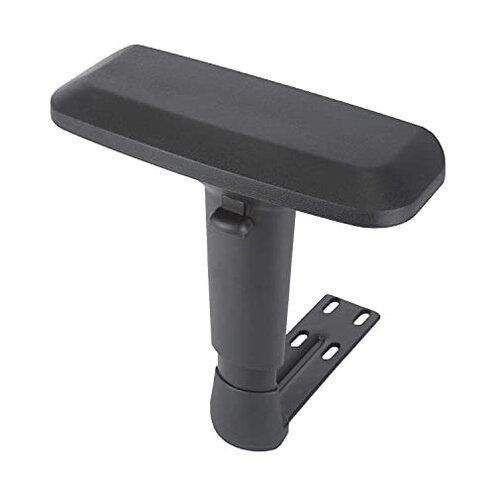
- Avoid it if you need a guaranteed fit on the first try, because compatibility uncertainty is higher than normal for replacement armrests.
- Avoid it if you use your chair for long sessions, since small looseness or awkward adjustment becomes more noticeable over time.
- Avoid it if you want a quick repair with minimal tools or guesswork, because hidden measurement checks are commonly needed.
- Avoid it if your chair is not one of the commonly named gaming brands, since broad fit claims can still leave mismatch risk.
Who this is actually good for
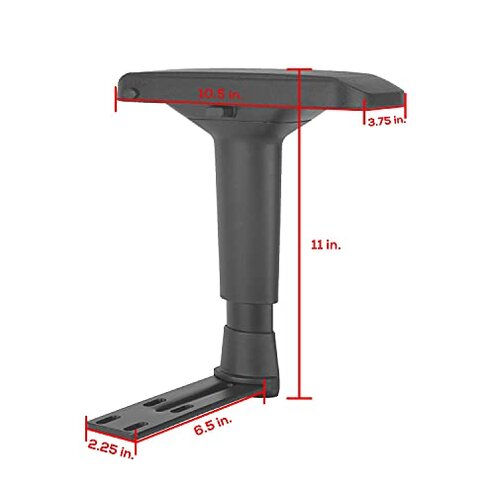
- It can work for buyers willing to compare bracket layout carefully before installing and accept some trial-and-error.
- It suits people restoring an older gaming chair when avoiding a full chair replacement matters more than perfect fit confidence.
- It fits users who value 4D movement and can tolerate a less locked-in feel during daily use.
- It helps buyers comfortable with minor repair hassle if their original chair is otherwise still worth saving.
Expectation vs reality
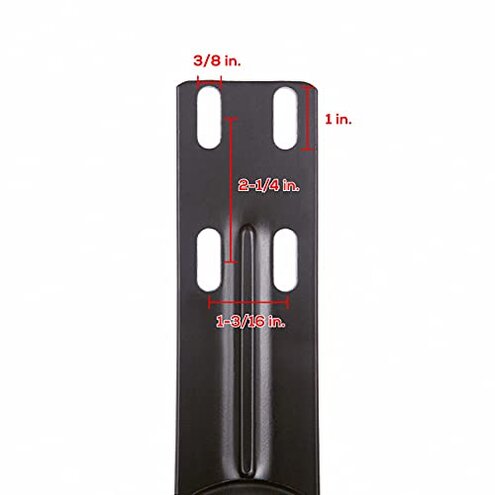
- Expectation: “Fits most gaming chairs” should mean a reasonable category level of plug-and-play replacement.
- Reality: Buyers commonly run into alignment checks and install uncertainty that feel worse than expected for a simple repair part.
- Expectation: 4D adjustment should add comfort options.
- Reality: For some users, the extra movement creates a less stable feel during normal desk or gaming use.
- Expectation: Replacing armrests should be cheaper and easier than replacing the chair.
- Reality: The lower upfront cost can be offset by extra setup time and a less finished result.
Safer alternatives
- Choose model-specific parts when possible, because that directly reduces the hole-alignment problem.
- Look for mount measurements shown clearly in images, which helps neutralize the hidden fit-check requirement.
- Prefer replacements with stability feedback if you lean on armrests often, since daily wobble is more frustrating than install delay.
- Pick simpler adjustment designs if you want a fixed feel, which avoids the overly mobile 4D trade-off.
- Consider a chair-brand replacement path when downtime matters, because it usually lowers the setup gamble.
The bottom line
The main regret trigger is simple: buyers expect an easy chair repair, but repeated fit uncertainty turns it into a project. That exceeds normal category risk because replacement armrests should reduce hassle, not add compatibility guesswork and mixed stability. Verdict: avoid this if you need dependable fit, fast installation, or a factory-like feel after the repair.
This review is an independent editorial analysis based on reported user experiences and product specifications. NegReview.com does not sell products.