
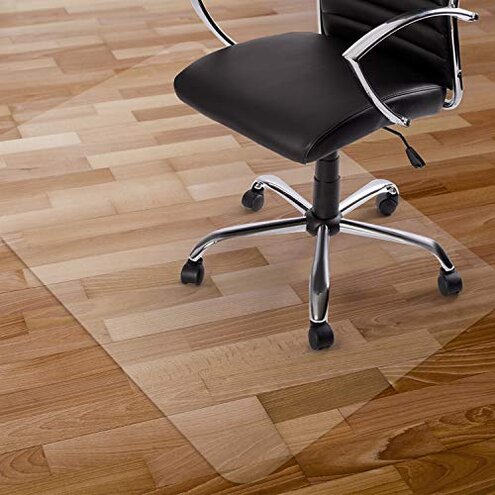
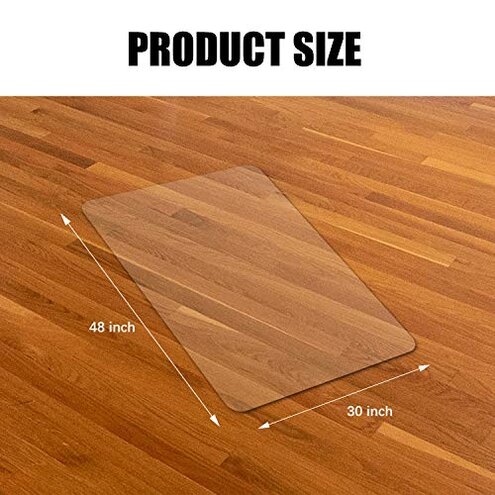
Product evaluated: Kuyal Clear Chair Mat, Hard Floor Use, 48" x 30" Transparent Office Home Floor Protector mat Chairmats (30" X 48" Rectangle)
Related Videos For You
Best Office Chair Mat for Hardwood Floors
Stop DESTROYING Your Home Office Carpet! Build a Chair Mat For CHEAP!
Data basis: This report summarizes dozens of buyer comments collected from written feedback and photo or video demonstrations between 2023 and 2026. Most feedback came from short written reviews, with supporting visual posts helping confirm setup problems, movement on floors, and how the mat behaves during daily chair use.
Comparative risk snapshot
| Buyer outcome | Kuyal mat | Typical mid-range mat |
|---|---|---|
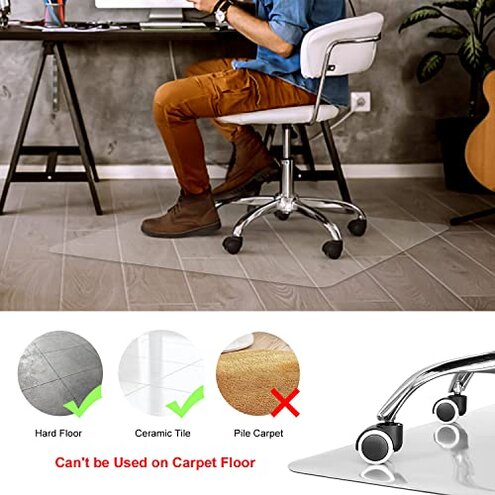
| Stays in place | Higher risk of shifting during daily rolling, especially after initial setup | Usually steadier with fewer position corrections |
| Lays flat fast | Less predictable because flatness can take extra time and effort | More forgiving after unpacking |
| Chair movement feel | Mixed result; some get easy rolling, others notice drag or edge annoyance | More consistent glide for routine desk use |
| Long-session upkeep | Higher-than-normal category risk from re-centering and watching the edges | Lower upkeep in most rooms |
| Regret trigger | Looks simple, but setup and floor behavior can add extra steps | Closer match to normal expectations for a basic hard-floor chair mat |
Top failures
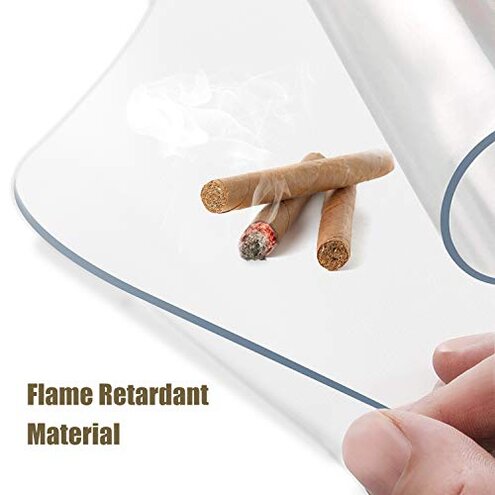
Why does a simple floor mat turn into a setup project?
Primary issue: One of the most common complaints is the mat not settling the way buyers expect at first use. The regret starts when a basic desk accessory needs extra time, weight, or patience before it feels usable.
Pattern: This appears repeatedly, especially right after unboxing and placement on a hard floor. That is more disruptive than expected for this category, because mid-range chair mats usually ask for less babysitting.
Hidden requirement: The buyer often has to manage how the mat rests and how quickly it flattens before normal rolling feels right. If you wanted a mat you could drop down and use immediately, this can feel like an annoying surprise.
Category contrast: Some flattening effort is normal for rolled mats, but the inconvenience here is commonly described as more persistent than typical. That matters because the product is sold as a straightforward hard-floor protector, not a trial-and-error setup item.
- Illustrative: “I expected five minutes, not extra fuss just to make it usable.” — Primary pattern
Will it stay put under a rolling office chair?
- Severity: This is a primary issue and among the most common complaints because movement affects every work session.
- When it shows up: The problem usually appears during daily use once the chair starts rolling back and forth for normal desk tasks.
- Condition: It tends to feel worse in long sessions when repeated chair motion gradually nudges the mat out of place.
- Pattern signal: Reports of shifting appear repeatedly, though not every floor setup behaves the same way.
- Buyer impact: The frustration is not just movement; it is the extra need to re-center the mat instead of forgetting about it.
- Why worse than normal: Some hard-floor mats can slide a bit, but this seems less forgiving than a typical mid-range option marketed for easy daily chair use.
- Fixability: Buyers sometimes reduce the issue by changing placement habits, but that adds extra upkeep rather than solving the core annoyance.
- Illustrative: “By the end of the day, it had crept away again.” — Primary pattern
Why does chair movement feel less smooth than expected?
- Secondary issue: A recurring complaint is that rolling can feel less consistent than buyers expect from a hard-floor mat.
- Usage moment: This shows up after setup when buyers start doing normal push-backs, turns, and small adjustments at a desk.
- How it feels: Instead of disappearing under the chair, the mat can make movement feel noticeable, which defeats the point for some users.
- Pattern signal: This is persistent but not universal, suggesting room setup and chair behavior influence the outcome.
- Real regret: Even if the floor is protected, buyers may still dislike using it if the rolling feel becomes annoying every day.
- Category contrast: Some drag is category-normal, but the complaint here feels more frustrating than expected because chair mats are bought mainly to improve movement, not complicate it.
- Attempts: Users often try repositioning the mat or adjusting how they roll onto it, but that can become a habit change buyers did not plan for.
- Illustrative: “It protects the floor, but the chair motion never felt natural.” — Secondary pattern
Do the edges and daily handling become annoying over time?
- Secondary tier: Edge behavior is a secondary issue, less frequent than sliding but more frustrating when it interrupts movement.
- When it appears: It tends to show up after repeated use once the mat has been rolled on, shifted, or handled for cleaning.
- What buyers notice: The mat can feel fussy around the edges, which matters when your chair crosses those areas often.
- Pattern signal: This complaint is persistent enough to matter, though it is not the dominant problem for every buyer.
- Why it stings: Small edge annoyances become bigger in tight desk spaces where every chair movement crosses the same spots.
- Category contrast: Minor edge awareness is normal, but this can require more attention than most mid-range mats once daily use settles in.
- Fixability: You may be able to reduce it by careful placement and gentler handling, but that means ongoing management.
- Illustrative: “The corners kept being the part I noticed most.” — Edge-case pattern
Who should avoid this
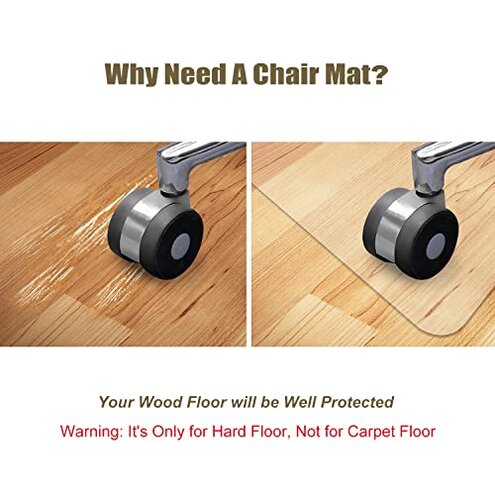
- Avoid it if you want a mat that works with minimal setup right out of the box.
- Avoid it if your chair moves all day and you will hate repositioning the mat during work.
- Avoid it if you are sensitive to edge feel or want smooth movement in a tight desk area.
- Avoid it if your tolerance for category quirks is low and you expect mid-range ease, not extra trial and error.
Who this is actually good for
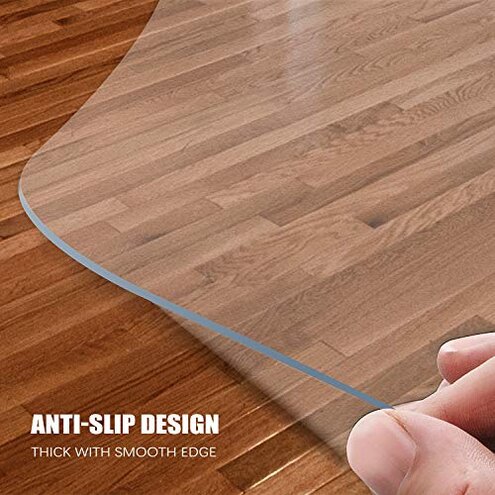
- Good fit for buyers who mainly want floor protection and can tolerate setup effort.
- Good fit for lighter desk use where constant rolling is not part of the day.
- Good fit if you are willing to do placement adjustments and keep an eye on mat position.
- Good fit when appearance matters and you can accept that usability may vary more than expected.
Expectation vs reality
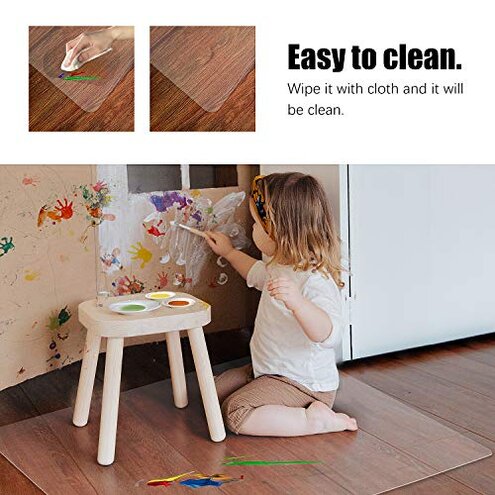
Expectation: A clear hard-floor mat should be a simple protective layer that stays quiet in the background.
Reality: The main frustration is that daily use can keep reminding you it is there through shifting, setup fuss, or movement feel.
- Reasonable for this category: Some minor settling is normal after unpacking.
- Worse here: The settling and placement effort can feel more persistent than buyers expect from a basic mid-range chair mat.
- Expectation: Hard-floor mats should help chairs roll more naturally.
- Reality: A recurring group of buyers still notice drag or awkward movement during normal desk tasks.
Safer alternatives
- Choose flatter-shipping designs if you want to reduce the setup delay that commonly frustrates first-time users.
- Look for stronger anti-move designs if your main risk is mat shifting during long work sessions.
- Prioritize edge stability if your chair crosses the perimeter often and you want less daily edge awareness.
- Buy for usage intensity by matching the mat to your rolling habits, especially if you spend full workdays at the desk.
The bottom line
Main regret trigger: Buyers expect a simple hard-floor mat, but the real issue is often extra management after setup and during daily chair use.
Why avoid: Sliding, settling fuss, and inconsistent rolling feel create a higher-than-normal category risk for a product that should be low effort. If you want dependable, forget-it-is-there performance, this is one to skip.
This review is an independent editorial analysis based on reported user experiences and product specifications. NegReview.com does not sell products.