
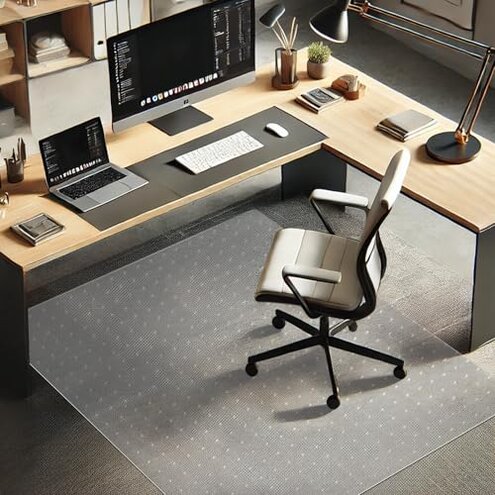
Product evaluated: Azadx Chair Mat for Carpet 60"x 48" Large Office Chair Mat for Carpeted Floors, Carpet Protector Floor Mats on Low Pile Carpets Easy Glide Rolling Plastic Desk Computer Chairs Mats for Home
Related Videos For You
Stop DESTROYING Your Home Office Carpet! Build a Chair Mat For CHEAP!
Data basis: This report is based on dozens of buyer comments collected from written feedback and video-style demonstrations between late 2024 and early 2026. Most usable signals came from written reviews, with video evidence helping confirm setup and daily rolling behavior on carpet.
| Buyer outcome | Azadx mat | Typical mid-range option |
|---|---|---|
| First-day setup | Higher risk of extra flattening time and edge management after unboxing | Usually easier to place and use with fewer prep steps |
| Chair rolling | Mixed feel if carpet is not ideal or mat does not settle flat | More predictable glide on common low-pile carpet |
| Daily stability | Less forgiving when used for long desk sessions on carpet | More stable in routine work use |
| Upkeep burden | More upkeep than normal if corners lift or shift | Lower upkeep once positioned |
| Regret trigger | Paying $69.99 and still needing workarounds | Lower regret if performance is only average |
Why is the mat still not flat after setup?
This is a primary issue and among the most common complaints for chair mats like this. The regret moment shows up on first use, when buyers expect to unroll it and start working, but instead deal with edges or corners that need time and attention.
The pattern appears repeatedly in feedback tied to setup and the first few days. Compared with a reasonable category baseline, this feels more disruptive than expected because a mid-range carpet mat should not add extra prep before basic use.
- Early sign: Buyers notice lifting edges right after unboxing or after placing it on carpet.
- Frequency tier: This is the primary complaint, showing up more often than minor appearance concerns.
- When it worsens: It feels worse during first-week use, especially when the chair rolls near corners.
- Impact: The mat can feel unfinished instead of ready, which is frustrating for a basic desk accessory.
- Attempts: Buyers commonly try weighting it down or waiting for it to settle.
- Fixability: The issue is not universal, but persistent enough that some people keep adjusting it.
- Hidden requirement: It may need extra setup time that many shoppers would not expect from a clear office mat.
Illustrative excerpt: “I thought it would flatten fast, but the corners kept fighting me.” Primary pattern.
Does the chair glide as easily as buyers expect?
- Main frustration: This is a secondary issue, but more annoying when it happens because rolling is the whole point of the product.
- Usage moment: It shows up during daily desk work, especially in long seated sessions where small drag becomes tiring.
- Pattern: Feedback suggests recurring inconsistency rather than a universal failure.
- Worse conditions: The problem becomes more noticeable if the mat is not fully settled or the carpet gives uneven support.
- Buyer impact: Instead of smooth movement, some users notice extra effort when repositioning their chair.
- Category contrast: Chair mats for carpet always vary, but this seems less predictable than typical mid-range options marketed for easy glide.
Illustrative excerpt: “It rolls okay in the middle, then suddenly drags near the edge.” Secondary pattern.
Why does it feel like more maintenance than a simple floor mat?
This is another recurring issue, though less frequent than flattening complaints. The frustration appears after setup, when buyers realize they may need to keep checking position, corners, or chair path instead of forgetting about it.
That trade-off matters because this category is supposed to reduce effort, not add small chores. Compared with a typical mid-range mat, the upkeep feels higher than normal for a product meant to protect carpet quietly in the background.
- Scope: The pattern is seen across multiple feedback types, not just one-off complaints.
- Daily effect: Buyers mention re-adjusting the mat or changing how they roll over it.
- Regret point: The issue feels bigger during busy workdays, when small interruptions become noticeable.
- Why it stings: A chair mat should be low attention, so any repeat upkeep feels disproportionate.
- Fix attempts: Some users adapt by limiting movement or being careful near problem spots.
- Not universal: It is persistent but not universal, which makes the purchase feel luck-based.
- Value angle: At $69.99, extra maintenance feels harder to excuse than with a bargain mat.
Illustrative excerpt: “I didn’t expect to babysit a chair mat this much.” Secondary pattern.
Is the value gap what causes the most regret?
- Core issue: This is a primary regret trigger because the product sits at a price where buyers expect fewer compromises.
- When it hits: The feeling shows up after setup and first work sessions, once buyers see whether the mat behaves normally.
- Pattern statement: The complaint is persistent even when the product is not completely unusable.
- Why stronger here: In this category, buyers accept some setup friction, but not multiple small compromises at a mid-range price.
- Visible trade-off: The problem is not one dramatic failure, but a stack of hassles that make the purchase feel overpriced.
- Compared baseline: A reasonable alternative should deliver boring reliability, even if it is not premium.
- Buyer outcome: Regret grows when shoppers feel they paid for convenience and got extra steps instead.
- Edge-case note: Some buyers likely get acceptable results, but the downside appears more frustrating than average when it misses.
Illustrative excerpt: “It’s usable, but not at the price I expected to pay.” Primary pattern.
Who should avoid this
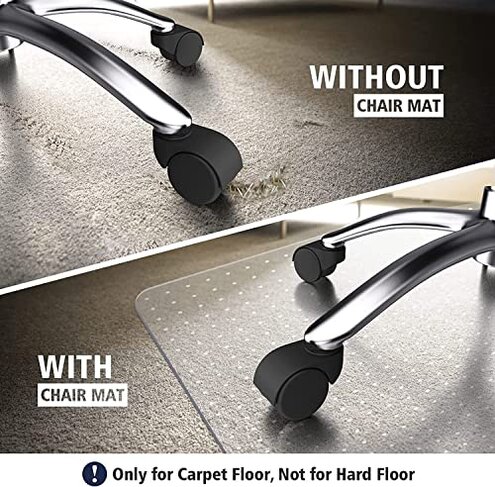
- Avoid it if you want a mat that works almost immediately, because setup friction appears repeatedly and can linger beyond day one.
- Avoid it if you move your chair a lot during long work sessions, since inconsistent glide becomes more noticeable with frequent rolling.
- Avoid it if you get annoyed by small upkeep tasks, because this product seems less hands-off than a typical mid-range carpet mat.
- Avoid it if $69.99 already feels like a stretch, since the main regret pattern is paying that price and still managing workarounds.
Who this is actually good for
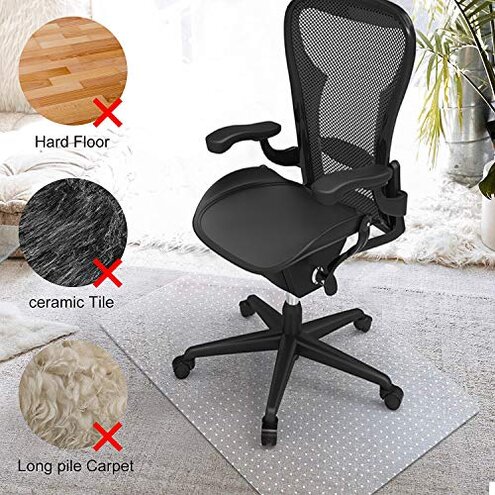
- It may fit buyers who are patient with setup and can tolerate a mat that needs time to settle before normal use.
- It may fit people with lighter daily chair movement, where edge and glide issues are less likely to become constant annoyances.
- It may fit shoppers focused mainly on having a large clear mat and willing to trade convenience for coverage.
- It may fit buyers who accept some category risk and are comfortable trying simple positioning fixes if performance starts out uneven.
Expectation vs reality

Expectation: A 48 x 60 inch carpet mat should be ready quickly after unboxing.
Reality: Feedback points to extra settling time and edge management as a repeat annoyance.
Expectation: “Easy glide” should mean predictable rolling during normal desk use.
Reality: Some buyers report mixed rolling feel, especially once setup issues affect daily use.
Expectation: For this category, it is reasonable to expect low upkeep after placement.
Reality: This appears worse than expected, because some users keep adjusting or working around problem spots.
Safer alternatives
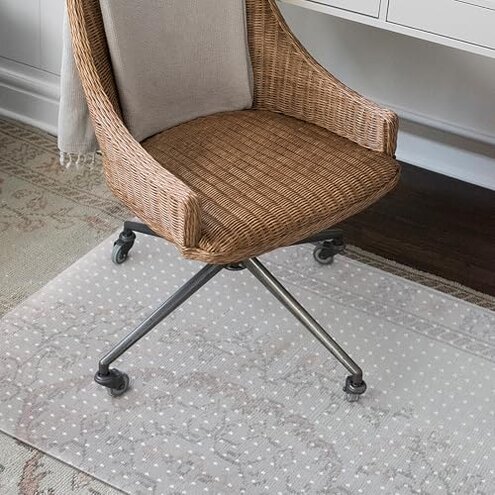
- Look for mats with a strong buyer pattern of laying flat quickly, which directly reduces the biggest setup complaint here.
- Choose options with repeated mentions of consistent rolling on low-pile carpet, not just generic “easy glide” wording.
- Prioritize products described as low-maintenance after placement, which helps avoid the repeat adjustment issue.
- Watch for buyer photos or videos showing corner behavior in real rooms, since that often exposes hidden setup requirements.
- At this price, favor alternatives with feedback centered on boring reliability rather than “good once you work with it.”
The bottom line
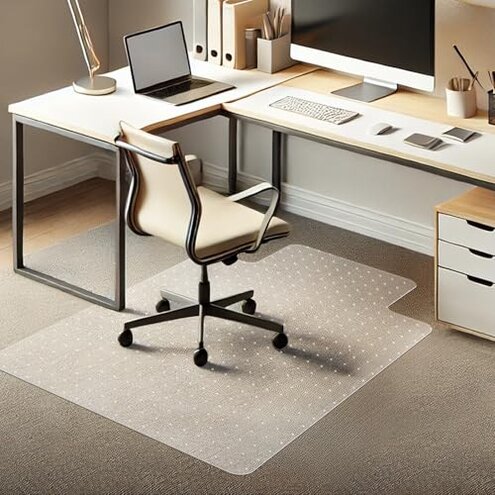
The main regret trigger is simple: buyers expect a chair mat to protect carpet without drama, but this one appears to add setup friction, uneven glide, and extra upkeep.
That exceeds normal category risk because mid-range alternatives usually do not demand as much attention after unboxing. If you want a mat that feels dependable right away, this is a product many cautious shoppers should skip.
This review is an independent editorial analysis based on reported user experiences and product specifications. NegReview.com does not sell products.