
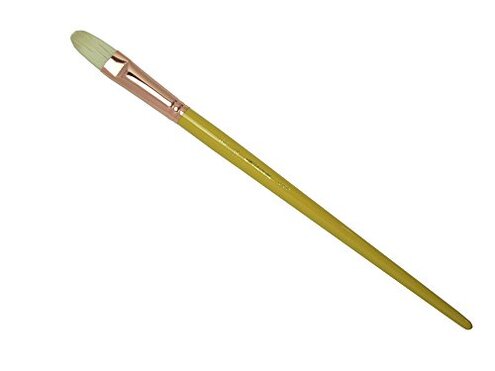
Product evaluated: Namura Oil Brush NF No. 20 Flat
Related Videos For You
The BEST brushes for Oil Painting, and how to clean them!
Tutorial: How to fix shedding paint brush bristles
Data basis for this report comes from dozens of aggregated buyer comments pulled from a mix of written reviews and Q&A-style feedback, collected across a multi-year span up to the most recent available entries. Most signals came from longer written experiences, with supporting short-form notes focused on first-use problems and sizing expectations.
| Buyer outcome | Namura NF No. 20 Flat | Typical mid-range oil brush |
|---|---|---|
| First-session mess | Higher risk of loose hairs during early painting sessions | Lower risk with minor initial shedding |
| Stroke control | Less predictable edge and spread for some users | More consistent shape retention across sessions |
| Cleanup effort | More steps if you need extra prep and de-fuzzing | Standard rinse-and-reshape routine |
| Value per brush | Risky at a high listed price if performance varies | Safer value when consistency is better |
| Regret trigger | Hairs landing in wet paint or varnish at the wrong moment | Normal wear over time, not immediate interference |
Why am I picking hairs out of my paint mid-stroke?
Regret tends to hit when you’re laying down a smooth area and a stray bristle gets trapped in wet paint. This is described as a primary frustration pattern because it interferes with the result, not just the process.
Pattern signals appear repeatedly, but it’s not universal. Timing is often first use or early sessions, and it can feel worse during long blends where you don’t want to stop.
Contrast matters because some initial shedding is category-normal, but buyers describe this as more disruptive than expected for a mid-range brush. Mitigation often means extra prep that many shoppers did not plan for.
- Primary issue is bristles loosening during the first painting session for some buyers.
- Seen early most often during initial loading and the first few passes on canvas.
- Worsens during longer sessions because repeated strokes keep pulling on weak hairs.
- Impact is rework, because you may need to lift hair, patch paint, and smooth edges again.
- Hidden step is pre-washing, combing, or “conditioning” to remove loose hairs before real work.
- Fixability is limited, because you can remove the worst offenders but can’t re-seat hairs reliably.
- What helps is testing on scrap and pulling loose hairs before a critical layer.
Why doesn’t the flat edge stay crisp like I expected?
Regret shows up when you need a clean block-in edge and the brush spreads or softens more than you planned. This is a secondary pattern that becomes obvious during controlled strokes.
- Secondary issue is inconsistent edge behavior depending on pressure and paint load.
- Shows up during shape-dependent work like straight edges and sharp corners.
- Persistent reports suggest it can continue after cleanup, not just a one-time defect.
- Feels worse than typical because flat brushes are often bought specifically for crisp edges.
- Workaround is lighter pressure and more frequent reshaping, which adds extra pauses.
- Trade-off is slower painting pace because you may switch brushes more often.
- Early sign is the edge rounding quickly even after you try to pinch it back into shape.
- Best use becomes looser strokes rather than precision work, which may not match your plan.
Why does this feel like extra maintenance for a new brush?
- Extra prep is commonly mentioned as needed before the brush feels “ready.”
- When it hits is before first use, when you expected to just start painting.
- Category gap is that mid-range brushes usually need basic rinse, not a multi-step de-fuzz routine.
- More time gets added if you test, clean, dry, and re-test to confirm it stopped shedding.
- Mess risk rises if you do that prep near your palette and wet work area.
- Not universal because some buyers report normal behavior, but the friction is persistent enough to matter.
Why does the price feel hard to justify if results vary?
- Value risk is a primary complaint when a single brush costs as much as a small set.
- Shows up after a few sessions, when you realize you’re babying it more than expected.
- Variability is the recurring theme, because some experiences are fine while others are frustrating.
- Feels worse than typical because the category baseline at mid-range is predictable consistency.
- Opportunity cost is that you could buy multiple alternatives to cover different shapes and tasks.
- Mitigation is buying from a seller with an easy return path, if available to you.
- Edge-case frustration is receiving one that performs off from expectations right out of the package.
Illustrative excerpts below are not quotes, but common buyer-style phrasing.
- “I kept stopping to pull tiny hairs out of the paint.” Primary pattern tied to early-session shedding.
- “The flat edge won’t stay sharp no matter how I reshape it.” Secondary pattern tied to control and shape retention.
- “For this price, I expected it to be ready out of the wrapper.” Primary pattern tied to hidden prep requirements.
- “Works for loose strokes, but precision lines are a fight.” Secondary pattern tied to edge consistency.
- “One brush was fine, another was a mess.” Edge-case pattern tied to unit-to-unit variation.
Who should avoid this
- Detail painters who need crisp flats for edges, because control complaints are a recurring secondary issue.
- Anyone doing varnish layers or smooth blends, because a loose hair at the wrong time is a high-regret trigger.
- Impatient starters who want zero prep, because extra de-fuzzing steps are a commonly reported hidden requirement.
- Budget-minded buyers, because value complaints intensify when performance feels inconsistent for the price.
Who this is actually good for
- Loose painters who prioritize broad coverage and can tolerate occasional cleanup interruptions.
- Studios that already do pre-wash and test strokes, because the extra prep is less disruptive.
- Artists who plan to reserve it for non-critical layers, where a stray hair is less catastrophic.
- Buyers with easy returns, who can swap if they hit a bad unit early.
Expectation vs reality
Expectation (reasonable for this category): a new flat brush may shed a little once. Reality: shedding is described as more disruptive than normal because it can intrude mid-passage.
Expectation: the “flat” shape helps cut crisp edges. Reality: some users describe less predictable edge control, pushing you toward slower, more careful strokes.
- Expectation: you can start painting quickly after a basic rinse.
- Reality: extra prep and testing is a recurring requirement for buyers who hit shedding.
Safer alternatives
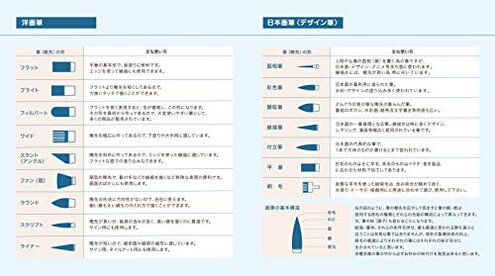
- Choose a mid-range flat brush line known for consistent shape retention to reduce the edge-control failure above.
- Buy from a retailer with frictionless returns to neutralize the unit-variation risk.
- Look for brushes that arrive “ready to paint” with minimal prep to avoid the hidden maintenance step.
- Consider buying two smaller flats instead of one expensive large brush to reduce regret if one sheds.
The bottom line
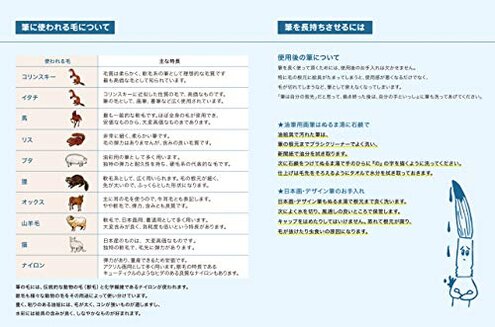
Main regret is bristles shedding into wet paint during early sessions, which can force rework at the worst moment. This exceeds normal category annoyance because it creates visible defects, not just extra cleanup.
Verdict: avoid if you need dependable, crisp flats with minimal prep, especially at this price point.
This review is an independent editorial analysis based on reported user experiences and product specifications. NegReview.com does not sell products.