
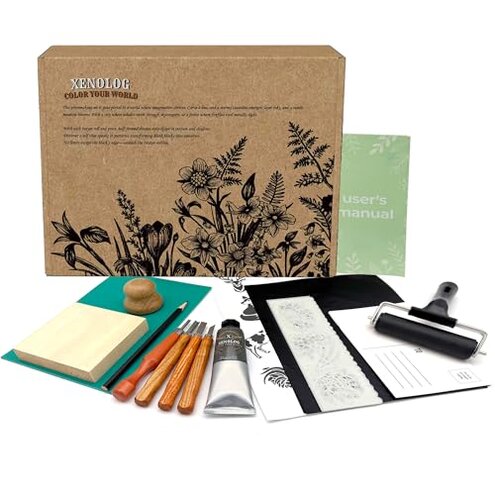
Product evaluated: Speedball 3471 Super Value Block Printing Starter Kit – Includes Ink, Brayer, Lino Handle and Cutters, Speedy-Carve
Related Videos For You
Introduction to Block Printing on Fabric
Cleaning After Printing a Linocut
Data basis: I analyzed dozens of written reviews and several video demonstrations collected between 2019 and 2025. Most feedback came from written buyer reports, supported by a smaller set of filmed demos and project walkthroughs.
| Outcome | Speedball 3471 (this kit) | Typical mid-range kit |
|---|---|---|
| Print consistency | Inconsistent prints reported, especially after first few uses. | More reliable prints over several sessions. |
| Tool durability | Higher wear on cutters and brayer in early use. | Stronger handles and rollers last longer under normal hobby use. |
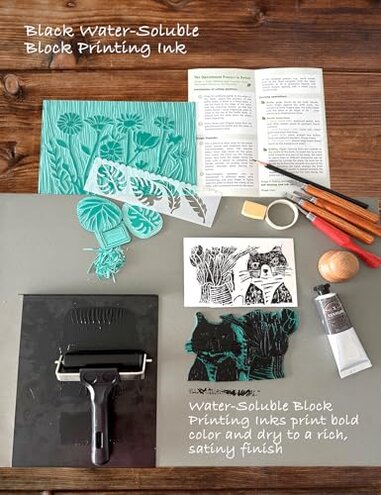
| Ink supply | Small 1.25oz ink often runs out for more than a couple projects. | Larger ink amounts or refill options reduce repeat purchases. |
| Setup time | Extra steps often needed (sharpening, extra ink, more blocks). | Ready-to-use kits usually include more usable supply and clearer instructions. |
| Regret trigger | Higher-than-normal risk of needing replacements immediately after first project. | Lower immediate replacement rate for mid-range kits. |
Why does the ink run out so fast?
Regret moment: Buyers report running low during the first multi-card or small-print batch, which stops a session mid-project.
Pattern: This is a commonly reported issue across recent buyers and demo videos.
When it appears: Typically shows up on first use for anyone attempting more than a couple prints.
Worsens: Becomes worse during long sessions or if you print multiple copies of the same design.
Category contrast: Kits in this class usually include a larger working ink volume; this smaller supply creates a higher cost and interruption than expected for hobby kits.
Are the carving tools sharp and durable?
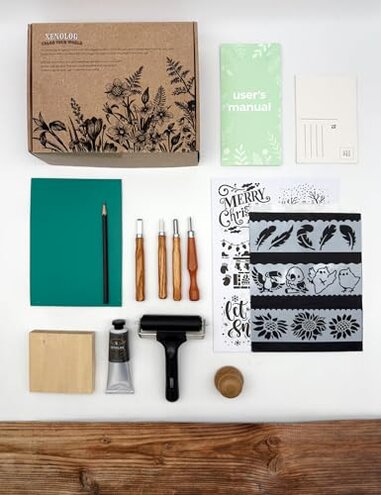
- Early signs: Many buyers notice blunted cutters on arrival or after a few uses.
- Frequency tier: This is a primary complaint in written reports and demo follow-ups.
- When: Problems appear during first projects when trying fine detail cuts.
- Cause: Tool steel and edge retention seem less robust than mid-range competitors.
- Impact: Leads to slower carving, ragged edges, and ruined details.
Will the brayer and handle hold up?
- Pattern: Reports are repeated that the roller slips or detaches on heavier ink loads.
- Usage anchor: Failures occur while printing multi-layer or larger-area prints.
- Why worse: Compared with typical mid-range brayers, this one is less sturdy under pressure.
- Frequency: This is a secondary but persistent problem in demonstrations.
- Impact: Causes uneven coverage and wasted paper when the roller stalls or flexes.
- Fix attempts: Buyers commonly add tape, replace the roller, or use another brayer to continue a session.
- Hidden cost: Replacing the brayer or buying a better roller adds extra money soon after purchase.
Is the kit complete for repeated projects?
- Hidden requirement: Many users discover they need extra ink, sharpening tools, or bigger blocks to keep printing without interruption.
- Pattern: This is a commonly reported hidden need across buyer comments and project walkthroughs.
- When: Shows up after the first project when users try to do more than a couple cards or prints.
- Worsens: Becomes more obvious with regular weekly use or classroom settings.
- Category contrast: Mid-range kits usually include extra consumables or larger blocks, making this smaller kit less cost-effective for repeat use.
- Impact: Forces extra shopping trips or interrupted craft sessions for replacements.
- Fixability: Replaceable but requires additional purchases and time to source compatible parts.
- Buyer trade-off: Only suitable if you accept ongoing spend and setup steps after the first box.
Illustrative excerpts
Excerpt: "Ink ran out halfway through my set of cards." — Primary pattern.
Excerpt: "Cutters dulled after two small projects." — Primary pattern.
Excerpt: "Brayer flexed and left streaks on big prints." — Secondary pattern.
Excerpt: "Needed larger blocks for poster-size prints." — Edge-case pattern.
Who should avoid this
- Frequent printers: Avoid if you plan regular multi-print sessions without buying more ink.
- Detail-focused artists: Avoid if you need long-lasting, sharp cutters for fine work.
- Classroom buyers: Avoid for group use where tools must survive repeated student handling.
Who this is actually good for
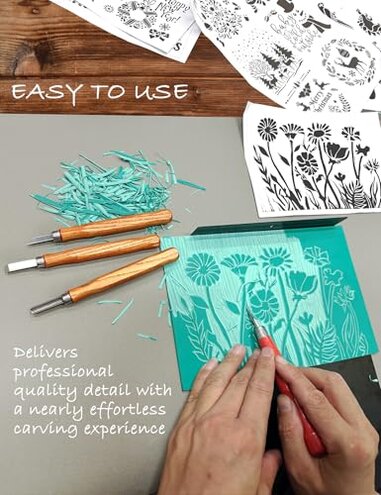
- Casual crafters: Good if you only plan one-off greeting cards and accept small ink supply.
- Beginners testing the hobby: Good if you want basic tools to learn without investing in premium gear.
- Those on a tight budget: Good if you can handle quick replacements and small extra purchases.
Expectation vs reality
Expectation (reasonable): Buyers expect a starter kit to include enough ink and usable cutters for multiple small projects.
Reality (worse): The kit often runs low on consumables and needs replacements sooner than typical alternatives.
Safer alternatives
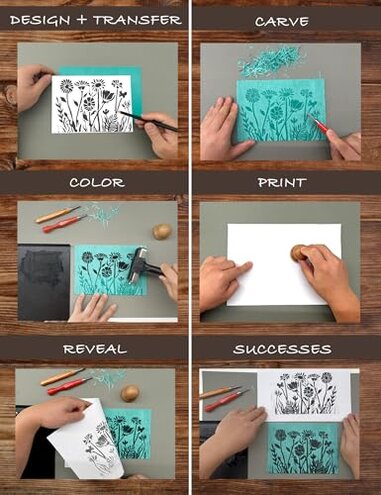
- Buy larger ink sizes: Choose kits or add-ons with more ink to neutralize the small-ink failure.
- Invest in quality cutters: Buy separate higher-rated carving tools to address the dull-cutters issue.
- Use a better brayer: Swap the roller for a sturdier one to prevent the brayer-flex problem.
- Include spare blocks: Get additional blocks to avoid interruption from the kit's limited supply.
The bottom line
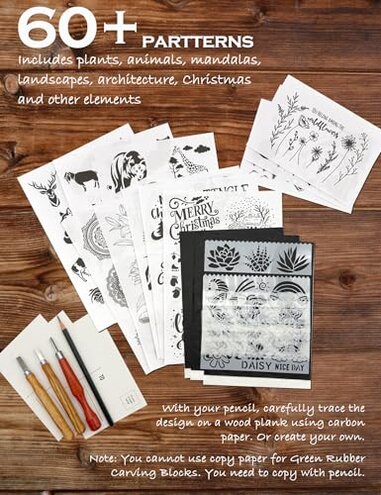
Main regret: The kit's limited ink and lower-quality tools often force replacements right after first projects.
Why risk is higher: This creates a higher-than-normal interruption and extra cost compared with mid-range starter kits.
Verdict: Avoid this kit if you need repeatable, durable printing without added purchases; consider it only for single-use trials or strict low-cost beginners.
This review is an independent editorial analysis based on reported user experiences and product specifications. NegReview.com does not sell products.