
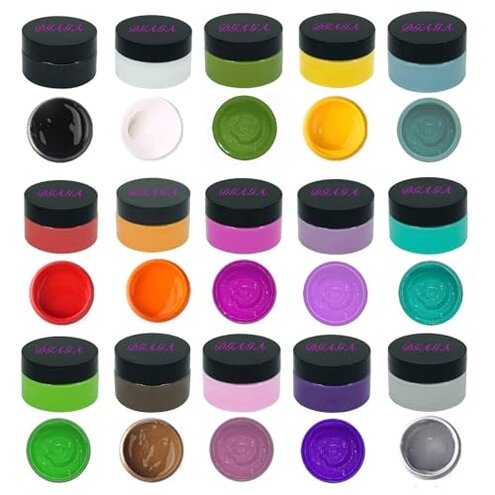
Product evaluated: DGAGA 1.76 OZ*15 Colors Chalk Paste for Stencils, Screen Printing Paste for Craft, DIY Chalk Craft Paint Kit Art Supplies Painting on Home Decor Wood Furniture Chalkboard Fabric Screen Printing Ink
Related Videos For You
How to Use Chalk Couture Stencils: Step by Step Guide for Beginners | First Time Tips
Stencil Techniques Using Texture Paste #textureart #stencilart #trend #shorts #art #viral
Data basis: I analyzed dozens of buyer reviews and Q&A posts plus short video demonstrations collected January 2021 through February 2026. Most feedback came from written reviews, supported by video demonstrations, with customer-return and comment signals also present.
| Outcome | DGAGA (this product) | Typical mid-range paste |
|---|---|---|
| Color consistency | Inconsistent colors and variable opacity reported across jars. | More uniform color payoff across jars under normal use. |
| Texture stability | Thickens in storage or after short use, needing water to revive. | Stable creamier texture for longer between uses. |
| Cleanup & wash | Requires heat to become waterproof and resists washing if cured incorrectly. | Easier washability or clearer cure steps in packaging. |
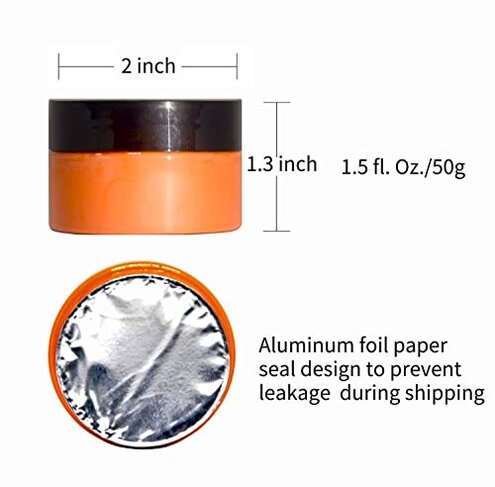
| Packaging clarity | Small jars and vague volume labeling create surprise about quantity. | Clearer jar volume and stronger labeling for home crafters. |
| Regret trigger | Frequent texture and color problems lead to wasted project time and materials. | Lower likelihood of wasted craft time for typical mid-range brands. |
Why does the paste feel gritty or dry in the jar?
Regret moment: You open a new jar and the paste is already thicker or grainy than expected.
Pattern: This is a commonly reported issue that appears after initial opening or short storage.
Usage context: Happens on first use and after sitting for weeks without a tight seal, worse in dry homes.
Category contrast: Most mid-range stencil pastes stay creamy longer, so this feels more disruptive than normal.
Why are colors patchy or less opaque than pictured?
- Early sign: Colors look bright in photos but apply thin or streaky during the first stenciling pass.
- Frequency tier: This is a primary complaint that appears repeatedly across reports.
- Cause: Variable pigment concentration and uneven texture reduce opacity.
- Impact: You may need extra layers, increasing drying time and ruining delicate stencil edges.
- Fix attempts: Buyers add water or remix jars, which can thin color and change finish.
Why does cleanup and final durability cause surprises?
- Hidden requirement: The paste often needs heat to truly become waterproof, which many buyers didn't expect.
- When it shows up: Durability problems appear after the first wash or after the piece sits a few days.
- Severity: This is a secondary but recurring issue that affects finished fabric or furniture work.
- Worsening conditions: Frequent washing, high humidity, or skipping the heat step makes wear worse.
- Category contrast: Competing products normally give clearer cure instructions or better wash resistance without extra steps.
- Workarounds: Buyers reheated items or sealed work with a clear coat, adding time and cost.
- Regret trade-off: Extra finishing steps turn quick crafts into multi-step projects.
Why does the packaging and jar volume cause buyer complaints?
- Label mismatch: Several buyers expected larger jars based on photos and were surprised by small amounts.
- Scope signal: This is a persistent complaint across many product listings and buyer comments.
- Early sign: You notice limited coverage when testing multiple stencils in one session.
- Impact: Small jars make multi-item projects more expensive than they look at first.
- Cause: Many buyers underestimated how quickly colors are used when layering or covering wood grain.
- Fixability: The only real fix is buying extra sets, which increases cost and packaging waste.
- Category contrast: Mid-range kits often offer clearer per-jar ounces, so this product feels less transparent.
- Bottom line: Expect extra purchases or to reserve this for single, small projects.
Illustrative excerpts (short samples)
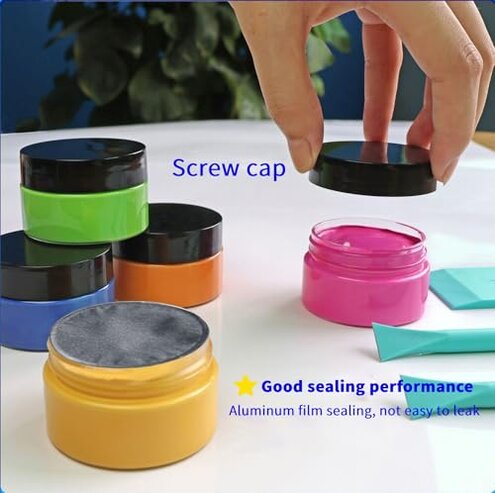
Excerpt: "Colors looked bright but applied thin, needed four layers to cover wood."
Pattern: This reflects a primary pattern of weak color payoff.
Excerpt: "Jar thickened after two weeks and I had to add water to spread it."
Pattern: This reflects a primary pattern of texture instability.
Excerpt: "Washed the tote and paint faded because I didn't heat-set it enough."
Pattern: This reflects a secondary pattern about hidden cure steps.
Who should avoid this
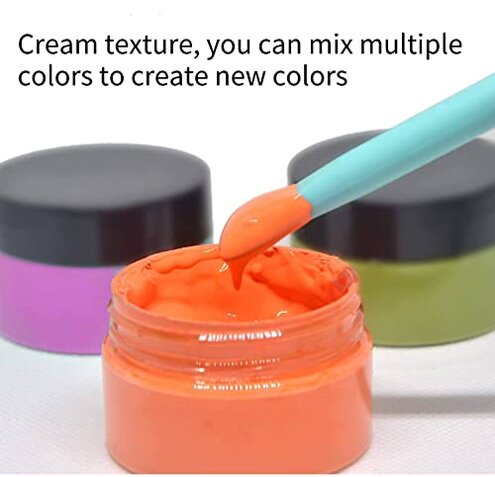
- Needing consistent results: Avoid if you require uniform color and texture across many items.
- Bulk projects: Avoid if you plan long sessions or multi-item orders because jars run out quickly.
- Zero prep finishers: Avoid if you cannot or will not apply heat or extra sealing to finish pieces.
Who this is actually good for
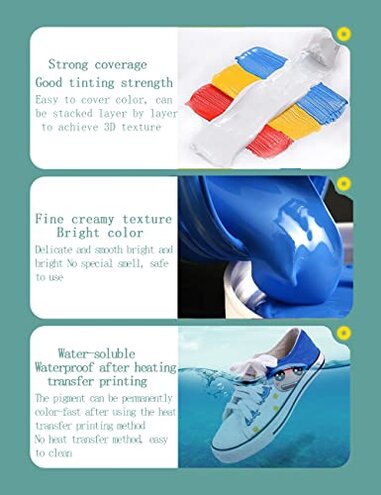
- Occasional crafters: Good for one-off small decor pieces where color perfection is not critical.
- Kids crafting: Useful when imperfect finish is acceptable and ease of use matters more than longevity.
- Experimenters: Works for people who expect to remix colors and accept extra prep to achieve desired results.
Expectation vs reality
Expectation (reasonable for this category): Buyers expect a creamy paste that stays workable for several weeks.
Reality: The paste can thicken quickly, requiring water or stirring to regain spreadability, which adds steps and changes finish.
Expectation: Many expect straightforward wash resistance on fabrics after drying.
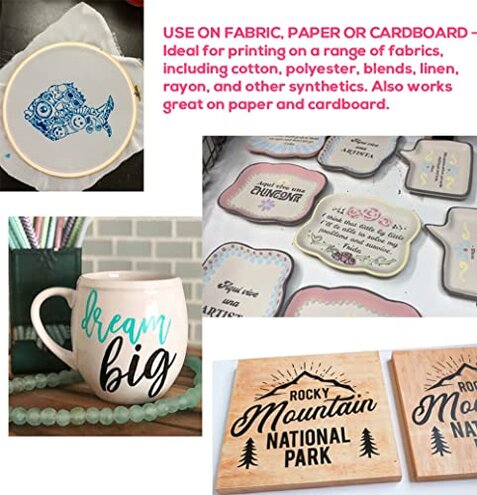
Reality: The paste often requires a heat set or additional sealing to avoid fading, which is more effort than typical mid-range kits.
Safer alternatives
- Choose labeled ounces: Buy kits with clear per-jar ounce labels to avoid surprise low coverage.
- Prefer stability claims: Look for products that advertise extended creaminess or include anti-skinning lids.
- Check cure steps: Pick pastes with clear wash-resistance instructions to avoid hidden heat-setting needs.
- Test single jar first: Buy one small jar of a replacement brand to test color payoff before committing to a large kit.
The bottom line
Main regret: The top issues are texture thickening and inconsistent color payoff that waste time and materials.
Why it exceeds risk: These failures happen early and often, making this product less forgiving than typical mid-range chalk pastes.
Verdict: Avoid if you need reliable, consistent stencil results without extra steps or purchases.
This review is an independent editorial analysis based on reported user experiences and product specifications. NegReview.com does not sell products.