
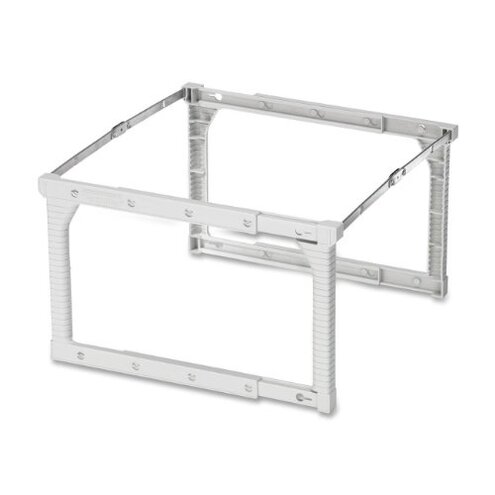
Product evaluated: ESS04444 - Pendaflex Snap-Together Hanging Folder Frame
Related Videos For You
Choosing a File Bar, File Rail For Hanging File Folders in Metal, Wooden or Lateral Cabinets
How to Put Together a Hanging File Bar
Data basis: This report aggregates dozens of written reviews and video demonstrations collected between 2019–2025, with most feedback coming from written comments and supported by a few teardown videos.
| Outcome | Pendaflex Frame | Typical Mid-Range Alternative |
|---|---|---|
| Durability | Higher break risk reported under regular load and over months. | More robust construction usually survives normal office use longer. |
| Assembly | Tricky snaps that often require extra force or redoing. | Tool-free assembly that clicks together cleanly in most cases. |
| Stability | Folders slip or tilt when loaded unevenly. | Holds hanging folders steady under similar conditions. |
| Regret trigger | Breaks during use causing returns and replacement hassle. | Rare returns for mechanical failure in this price tier. |
| Long-term value | Lower due to repeated replacements reported by buyers. | Higher value when parts last multiple years. |
Why did the frame break during regular filing?
Regret moment: Many buyers describe the snap-frame failing when they first hang a loaded folder, creating immediate regret at setup.
Pattern and context: This problem is a primary complaint and is commonly reported to occur during initial use or within weeks of daily handling.
Category contrast: This is worse than expected because mid-range frames usually tolerate routine weight without fracturing.
How hard is assembly and why does it matter?
- Assembly fit: Snap tabs require precise alignment and sometimes extra force, which causes stress on connectors.
- Early signs: Misaligned snaps or a loose corner appear during first assembly, indicating higher failure risk.
- Frequency tier: This is a secondary issue—frequent enough to be annoying but not universal.
- Fix attempts: Buyers often reassemble or reinforce joints, adding time and effort before use.
Why do folders tilt or slide once installed?
- Label: Alignment failure — rails can sit unevenly, letting folders lean when weight is uneven.
- Label: Load sensitivity — heavier or unevenly spaced files increase tilt during daily use.
- Label: Long-term drift — repeated opening or closing of drawers worsens the misalignment.
- Label: Impact on workflow — tilted folders make retrieval slower and risk paper damage.
- Label: Attempts — users add shims or re-seat frames, which is time-consuming and imperfect.
- Label: Repairability — fixes are temporary; replacements are commonly chosen instead.
Is there any hidden requirement buyers miss before purchase?
- Hidden requirement: Precise preparation of drawer rails or cabinet fit is needed for reliable performance.
- Condition: Without correct rail spacing, the snap-frame can bind or pop loose during use.
- Why it matters: This is a primary regret because most alternatives tolerate slight misalignment.
- Cause: The snap design trades tolerance for a lower part count, increasing installation sensitivity.
- Impact: Users may need extra tools or parts, adding hidden time and cost.
- Fixability: Some buyers succeeded by modifying rails, but that voids easy returns for others.
- Edge-case note: If your drawer is custom or warped, expect higher chance of issues.
Illustrative excerpts
"Snapped during first use, had to replace the frame immediately." — primary pattern
"Took extra effort to snap together and still felt loose afterwards." — secondary pattern
"Works if your rails are perfect; mine weren't and it popped out." — edge-case pattern
Who should avoid this
- High-volume users: Avoid if you need daily heavy use without replacement headaches.
- Non-handy buyers: Avoid if you cannot tolerate assembly fiddling or simple modifications.
- Loose-fit drawers: Avoid if your filing cabinet has nonstandard rails or warping.
Who this is actually good for
- Light-duty home use: Good if you file infrequently and can accept occasional re-seating.
- Budget-conscious buyers: Good if you value low upfront cost and can replace annually.
- Tinkers and DIYers: Good if you can do minor modifications to rails for a snug fit.
Expectation vs reality
- Expectation (reasonable for this category): A snap-frame should assemble tool-free and hold standard files.
- Reality: Assembly often requires extra force, and frames may fail under normal load.
- Expectation: A mid-range frame should last several years with daily use.
- Reality: Reported replacements within months make long-term value lower than peers.
Safer alternatives
- Choose reinforced rails: Look for frames with metal or thicker connectors to neutralize breakage risk.
- Prefer tolerant designs: Buy frames rated for wider rail tolerance to avoid hidden fit requirements.
- Read assembly notes: Prioritize products with clear setup guides or preinstalled parts to reduce fiddling.
- Check return policy: Favor sellers with easy returns if early failure is possible.
The bottom line
Main regret: The primary issue is fragility and sensitivity during assembly, which leads to early failures.
Why worse: This exceeds normal category risk because mid-range frames usually tolerate everyday filing without frequent replacement.
Verdict: Avoid this model if you need durable, maintenance-free office filing; consider sturdier mid-range alternatives instead.
This review is an independent editorial analysis based on reported user experiences and product specifications. NegReview.com does not sell products.