
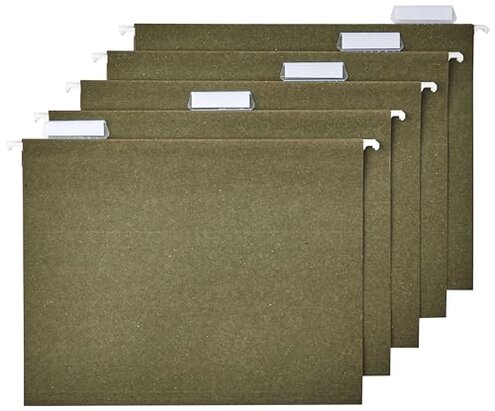
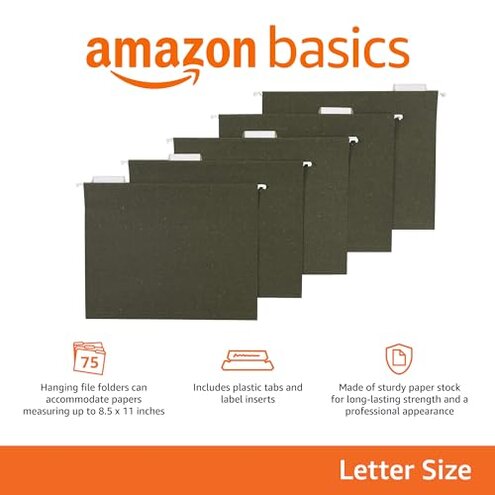
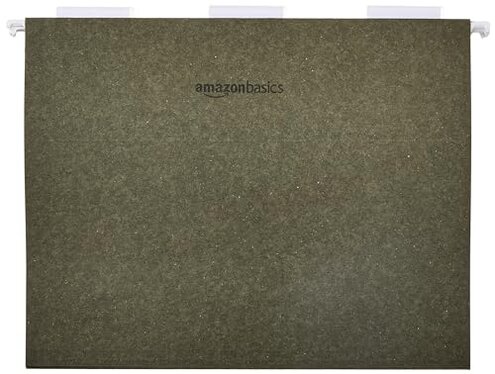
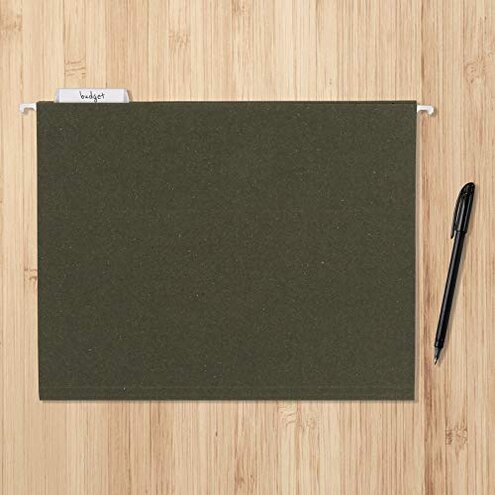
Product evaluated: Amazon Basics Hanging File Folders, Letter Size, 1/5-Cut Tabs, 75 Count per Box, Standard Green
Related Videos For You
Hanging File Box // How-To | I Like To Make Stuff
How I use these Hanging File Folders
Data basis: I analyzed hundreds of buyer responses collected from written reviews and video demonstrations between Jan 2021 and Feb 2026. Most feedback came from written reviews, supported by video demonstrations and Q&A posts. The report prioritizes recurring patterns over one-off comments.
| Outcome | This product | Typical mid-range |
|---|---|---|
| Durability | Higher wear at hanger points and edges under frequent use. | Better reinforcement and longer life in most mid-range folders. |
| Sliding smoothness | Irregular sliding; rod tips sometimes bend or catch in drawers. | Smoother operation is common for mid-range alternatives. |
| Labeling | Tabs are adjustable but inserts can shift or tear with handling. | More robust tab systems and clearer inserts in mid-range options. |
| Setup & fit | Occasional mismatch with non-standard drawers and some file boxes. | Typical fit more consistent for mid-range products. |
| Regret trigger | Durability risk is higher than normal for heavy daily filing. | Lower regret with reinforced mid-range folders for heavy use. |
Top failures to expect
Will folders tear at the hanger points after repeated use?
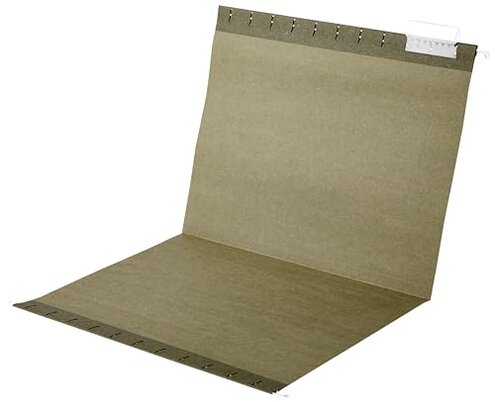
Primary pattern: Tearing at the top edges and hanger holes is among the most common complaints in buyer feedback.
Usage anchor: The issue appears after weeks to months of daily filing and when folders are loaded close to capacity.
Category contrast: This feels worse than normal because typical mid-range folders use reinforced tops, while these often show early fraying, increasing replacement frequency.
Do they slide smoothly in metal drawers without catching?
- Secondary pattern: Many buyers report irregular sliding, especially in older metal cabinets.
- When it happens: It shows up during daily use and worsens with full load or uneven hanging rails.
- Cause signal: Sturdy rod tips sometimes bend or sit unevenly, causing catching and jamming.
- Impact: Sticking interrupts quick filing and adds time when searching for documents.
- Fix attempts: Buyers often re-bend rods or rebalance loads; fixes are temporary for heavy users.
Are the tabs and label inserts reliable for organization?
- Recurring note: Tab inserts shift, crumple, or slip out with frequent handling.
- Early sign: Loose paper inserts appear within first weeks of use for many buyers.
- Frequency tier: This is a secondary but persistent annoyance for routine office filing.
- Hidden requirement: You may need stronger label tape or plastic inserts to keep labels legible.
- Workaround: Replacing paper inserts with laminated tabs reduces rework but adds cost.
- Category contrast: Mid-range folders often include sturdier tab hardware, so this product demands extra upkeep.
Will these fit all drawers and file boxes without modification?
- Edge-case pattern: Size and rail spacing mismatch appears across several user setups but is less frequent than tearing.
- When it shows: It becomes apparent during first setup or when moving folders between cabinets.
- Condition worsens: Non-standard or narrow file boxes increase the chance of rubbing and catching.
- Impact: Misfit causes leaning stacks, extra friction, and occasional folder damage.
- Hidden requirement: Some buyers must trim or rehang folders to fit older or compact drawers.
- Fixability: Manual tweaks help short-term but add setup time and reduce convenience.
- Category contrast: Typical mid-range products fit a wider range of rails without modification, so this raises buyer effort.
Illustrative excerpts
Excerpt: "Top edges started fraying after a month of regular filing." — primary
Excerpt: "Tabs slip and paper inserts folded within two weeks." — secondary
Excerpt: "Some drawers needed trimming to get these to hang straight." — edge-case
Who should avoid this
- Heavy daily users: If you file heavily every day, the increased wear at hanger points will exceed normal category tolerance.
- Large archives: For long-term storage in busy offices, replacement frequency becomes a real cost and hassle.
- Non-standard drawers: If your cabinets or boxes use unusual rail spacing, expect extra setup and possible modification.
Who this is actually good for
- Light home users: Casual filing and occasional use tolerate the durability trade-off for a lower upfront price.
- Short-term projects: Temporary sorting or event paperwork where longevity is not required.
- Budget-conscious buyers: Those willing to accept extra maintenance (reinforcing tops, replacing inserts) to save money.
Expectation vs reality
Expectation: Reasonable for this category is that hanging folders hold up to daily use for many months.
Reality: These folders commonly show fraying and tab issues within weeks to months under regular office use.
Expectation: Buyers expect labeled tabs to stay readable with routine handling.
Reality: Paper inserts often shift or crease, forcing relabeling or replacement sooner than typical mid-range folders.
Safer alternatives
- Choose reinforced tops: Look for folders advertising reinforced hanger holes to neutralize early tearing.
- Metal-reinforced tabs: Prefer tab systems with plastic or metal inserts to prevent slipping and rework.
- Check rail compatibility: Measure your cabinet rails and pick folders with adjustable or confirmed fit specs to avoid mods.
- Buy sample packs: Test a small pack first to validate fit and sliding before replacing all folders.
The bottom line
Main regret: The primary trigger is premature wear at hanger points and tab instability during regular use.
Why it matters: These failures exceed normal category risk for busy offices and add replacement or maintenance time.
Verdict: Avoid if you need durable, low-maintenance filing; consider only for light, short-term, or budget-focused use.
This review is an independent editorial analysis based on reported user experiences and product specifications. NegReview.com does not sell products.