
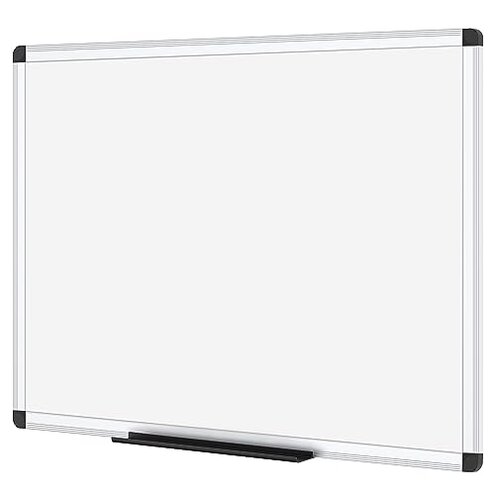
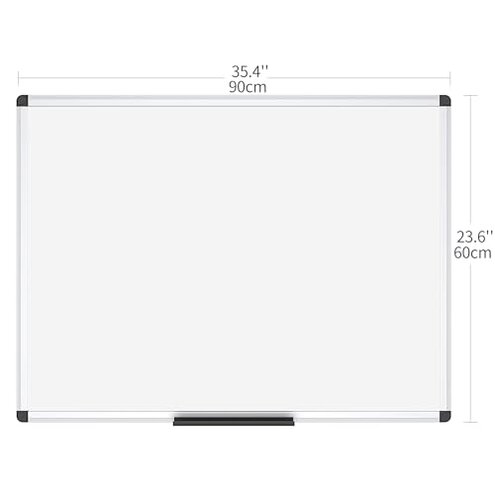
Product evaluated: VIZ-PRO Magnetic Dry Erase Board, 36 X 24 Inches, Silver Aluminium Frame
Related Videos For You
Magnetic Whiteboard Paint | Easy DIY Dry Erase Magnetic Paint
How to Clean a Whiteboard Like New... With 3 Things in Your House
Data basis: This report synthesizes feedback from dozens of written reviews, buyer photos, and several short videos collected between 2018 and 2025. Most feedback came from written reviews, supported by images and Q&A notes. The sample emphasizes hands-on use reports during first weeks and after months of wall use.
| Outcome | VIZ-PRO 36x24 | Typical mid-range board |
|---|---|---|
| Cleaning | Worse — frequent ghosting and stain retention after normal dry-erase use. | Expected — light ghosting that cleans with routine deep wipes. |
| Magnetism | Mixed — some buyers report weak magnet hold on full board surface. | Reliable — mid-range boards usually accept magnets across most of the surface. |
| Mounting | Risky — loose or misaligned hardware reported during initial install. | Stable — typical boards include sturdier mounting kits and clearer templates. |
| Frame & corners | Fragile — denting and corner separation appears more often than expected. | Robust — better corner protection and fewer fit issues in comparable models. |
| Regret trigger | High — cleaning failure plus mounting problems combine into a bigger usability loss. | Lower — single minor annoyance usually manageable with standard care. |
Why won’t marks erase cleanly?
Problem: Many buyers describe persistent ghosting that appears within days to weeks of use and resists normal dry wiping.
Pattern: This is a recurring complaint that shows up during first use and often increases after frequent writing sessions.
Contrast: Compared to a reasonable mid-range board, this product shows more stain retention that demands stronger cleaners or extra time, which raises maintenance effort and regret.
Why does mounting feel unstable?
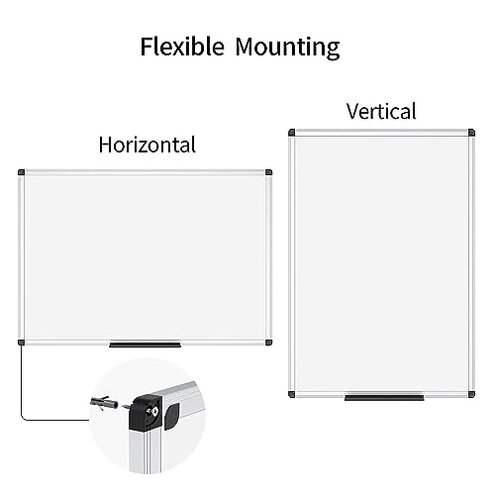
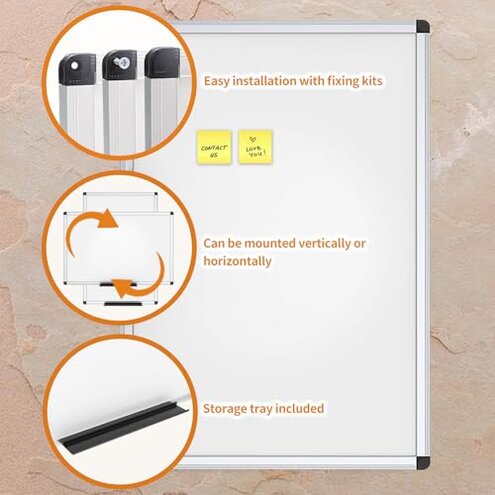
- Early signs: Wall screws feel loose or board tilts after initial fastening.
- Frequency tier: This is a secondary but persistent report during initial installation.
- When it shows: Occurs at first use or after moving the board slightly.
- Cause: Buyers point to thin or misaligned mounting hardware and unclear instructions.
- Impact: A wobbly board interferes with writing and risks surface damage over time.
Why are edges and magnets unreliable?
- Surface magnetism: Some users find weak magnet hold across parts of the board surface.
- Corner failures: Corners can separate or dent after wall mounting or transport.
- Usage anchor: Problems tend to surface during moving or after repeated adjustments.
- Category contrast: This is worse than expected for most mid-range whiteboards that keep magnets secure.
- Impact on use: Loose corners and poor magnetism reduce usable space and make posting notes unreliable.
- Fix attempts: Buyers often add extra hardware or tape; these are extra steps and costs.
- Hidden requirement: Expect to supply additional screws or felt pads to stabilize corners.
Why do buyers report long-term wear?
- Early alarm: Faint scratches and surface dulling appear after repeated erasing.
- Persistence: This is a recurring pattern reported after months of daily classroom or office use.
- Worse over time: Performance degrades faster under heavy daily use than competitors.
- Cause: Surface finish seems less scratch-resistant than typical mid-range boards.
- Impact: Scratches catch ink and worsen ghosting, increasing cleaning time.
- Attempted fixes: Users report needing stronger cleaners or replacement sooner than usual.
- Cost result: More upkeep and replacement risk makes total ownership cost higher.
- Usage tip: Gentle markers and regular maintenance reduce, but do not eliminate, the effect.
Illustrative excerpts
Excerpt A: "Markers left faint shadows after one day of writing." — Primary pattern.
Excerpt B: "Board tilted after tightening screws once." — Secondary pattern.
Excerpt C: "Magnets slide on left half but stick on right." — Edge-case pattern.
Who should avoid this
- Heavy users: Daily classroom or team-room users who need low-maintenance cleaning.
- Magnet-dependent users: Buyers who rely on consistent magnet hold for full-board displays.
- Fragility-sensitive buyers: Anyone who can’t add hardware or tolerate bent corners during shipping.
Who this is actually good for
- Light home use: Occasional kitchen lists or short notes where ghosting is less visible.
- Budget shoppers: Buyers who accept extra maintenance in exchange for lower upfront cost.
- DIY fixers: People comfortable adding screws or using stronger cleaners to improve longevity.
Expectation vs reality

Expectation: A mid-range board should wipe clean with routine erasing.
Reality: This board often shows stain retention that needs stronger cleaners or replacement sooner.
Expectation: Included mounting kit should hold the board stable at installation.
Reality: Many buyers need extra hardware or adjustments to stop wobble.
Safer alternatives
- Buy thicker-mount kits: Choose boards with reinforced mounting templates to avoid wobble.
- Prioritize enamel finishes: Look for boards marketed with stronger anti-ghost coatings to reduce staining.
- Check magnet ratings: Prefer boards with explicit magnet strength claims or bundled strong magnets.
- Inspect corners on arrival: If corners look damaged, require replacement immediately from seller.
The bottom line

Main regret: Persistent ghosting combined with occasional mounting and corner issues reduces usable life and convenience.
Verdict: If you need a low-upkeep, reliably magnetic whiteboard, this model carries a higher-than-normal risk and is best avoided unless you accept extra maintenance or plan fixes.
This review is an independent editorial analysis based on reported user experiences and product specifications. NegReview.com does not sell products.