
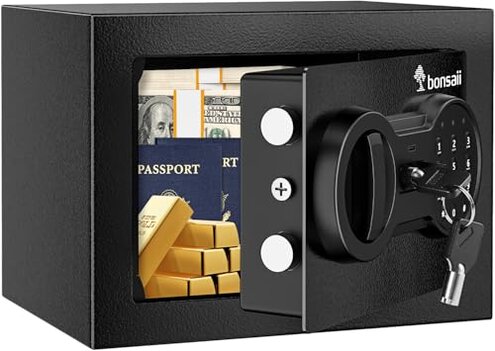
Product evaluated: Bonsaii Safe Box with Electronic Keypad, Steel Security Lock Box with Key, 0.23 Cubic Feet, 9.06" W x 6.69" D x 6.69" H, Small Hidden Safe for Cash Jewelry
Related Videos For You
Harbor Freight Union Electronic Safe - How to set code
Cheapest 5kWh DIY Whole Home Battery Backup System
Data basis: This report aggregates feedback from dozens of written reviews and a selection of video demonstrations, collected through Jan 2026. Most feedback came from written reviews, supported by video demonstrations, and includes buyer photos and post-purchase comments.
| Outcome | Bonsaii SF005 | Typical mid-range safe |
|---|---|---|
| Security reliability | Mixed — keypad and lockouts reported during daily use, creating real access risk. | More consistent — most mid-range models show fewer lockout complaints under similar use. |
| Power resilience | Weak — relies on batteries and an external power bank that is not included. | Stronger — typical alternatives include clearer battery indicators or internal backup keys. |
| Installation & mounting | Incomplete — buyers report extra hardware or modifications needed for secure mounting. | Better supplied — mid-range competitors often include full mounting kits and clearer instructions. |
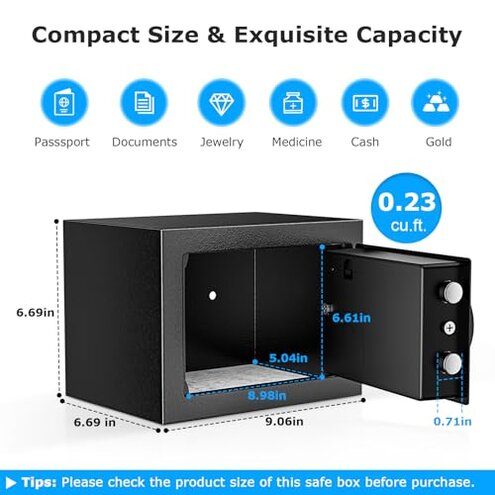
| Size & storage | Very small — limited internal capacity may force difficult trade-offs for valuables. | Average — competitors in this tier usually offer slightly more usable internal volume. |
| Regret trigger | Lockout risk — battery or keypad failures cause the most purchase regret. | Lower — less frequent lockout causes with proper maintenance. |
Why am I suddenly locked out or the keypad fails?
Regret moment: Many buyers report unexpected lockouts during first weeks or after months of use, leaving valuables inaccessible.
Pattern: This is among the most common complaints, appearing repeatedly across written reviews and videos when batteries run low or the keypad becomes unresponsive.
When it happens: It usually occurs during daily access or after infrequent battery replacement, and it worsens with heavy use or long idle periods.
Category contrast: This is worse than typical mid-range safes because those usually provide clearer low-battery warnings or more reliable keypad hardware.
Do I need extra power gear or a hidden key to avoid problems?
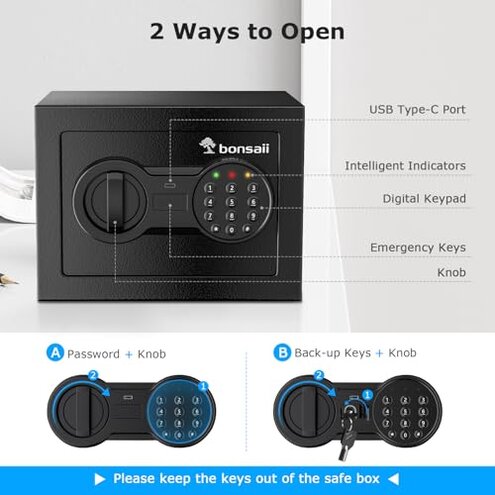
- Hidden requirement: The safe supports a USB-C power bank, but the power bank is not included, creating a hidden dependency.
- Battery rule: Buyers commonly report needing spare batteries and an external power source to prevent lockouts.
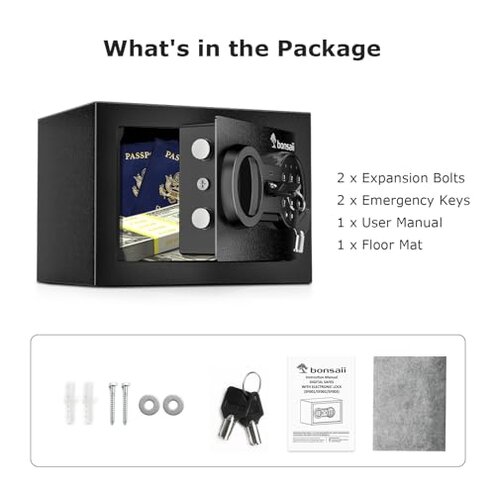
- Emergency key: The package includes emergency keys but buyers must store them outside the lock box to be useful.
- Maintenance: Frequent battery checks are required, and missed replacement leads to loss of electronic access.
- Fixability: Many users solved lockouts by keeping a charged power bank on hand, showing the workaround is possible but inconvenient.
Will mounting and installation feel complete and secure?
- Early sign: Buyers notice loose fit or mismatched hardware during initial installation.
- Frequency tier: This is a secondary issue that appears repeatedly across installation reports.
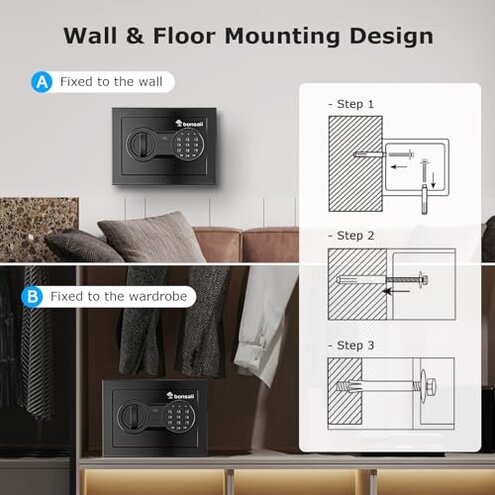
- Cause: The included expansion bolts work for some surfaces but often require additional anchors or longer screws for solid mounting.
- Impact: Improper mounting increases visible risk and may make the safe easier to remove by a thief.
- Attempts: Many buyers drilled new holes or bought heavier anchors to compensate, adding time and cost.
- Hidden step: Expect to spend extra time and money on mounting hardware for secure installation.
- Category contrast: Mid-range alternatives often include full mounting kits, making this more effort than typical for the category.
Is the build quality strong enough to feel secure?
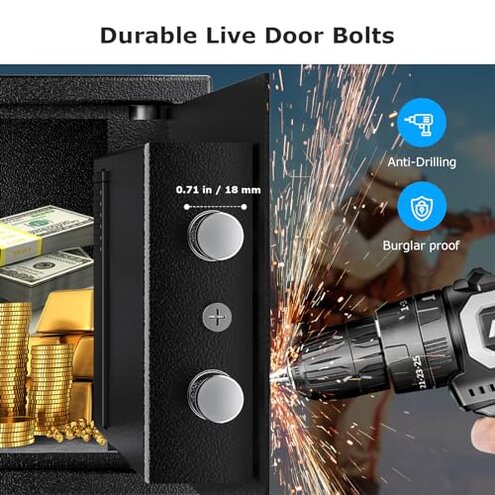
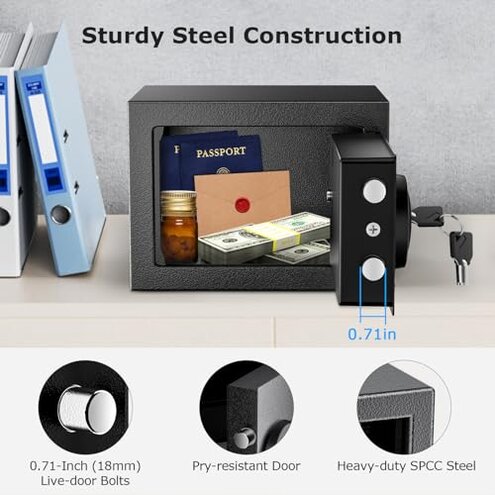
- Primary frustration: The small size and thinner materials create a perception of lower resistance to tampering.
- Frequency: This is a primary concern when buyers compare advertised claims to real-world feel.
- Early sign: Doors or hinges feel less solid than expected during first handling.
- Cause: The compact design prioritizes concealment over heavy-duty construction.
- Impact: Buyers store only low-value items or move to a heavier safe after short-term use.
- Attempts: Some users bolted the unit into furniture and added internal padding to reduce perceived risk.
- Fixability: Reinforcing the mounting helps, but it does not change the thin material of the shell.
- Category contrast: This feels less forgiving than most mid-range safes, which often balance compact size with sturdier panels.
Illustrative excerpts (not real quotes)
“Keypad froze after two weeks, had to use power bank to open.” — primary pattern reflecting common lockout reports.
“Included bolts didn’t fit my shelf, bought extra anchors to secure it.” — secondary pattern tied to mounting complaints.
“Feels light and flimsy when I try to hide it behind clothes.” — primary pattern about perceived build quality.
Who should avoid this
- Reliability-first buyers: Avoid if electronic access reliability is essential and you cannot keep spare power or keys.
- High-value storage: Avoid if you plan to store high-value items, because the build and mounting require reinforcement.
- Low-hassle installers: Avoid if you want plug-and-play mounting, since additional hardware is commonly needed.
Who this is actually good for
- Concealment users: Good for someone who needs a small hidden container for low-value items and accepts extra maintenance.
- Budget-constrained owners: Good if you accept periodic battery checks and can buy a power bank separately.
- Temporary storage: Good for short-term use where heavy tamper resistance is not required.
Expectation vs reality
- Expectation: Reasonable for this category is a reliable keypad with clear battery warning. Reality: Buyers commonly see unpredictable warnings and sudden keypad unresponsiveness.
- Expectation: Included hardware should suffice for typical mounting. Reality: Many buyers needed extra anchors or screws to achieve secure installation.
- Expectation: Compact size should still feel sturdy. Reality: The unit feels thinner and less robust than many mid-range competitors.
Safer alternatives
- Choose models with internal backups: Look for safes that include a mechanical internal override key and clearer battery alerts to prevent lockouts.
- Buy a power plan: If you keep this safe, purchase a dedicated portable power bank and spare batteries before first use.
- Upgrade mounting kit: Plan to buy stronger anchors or a furniture plate to neutralize weak supplied hardware.
- Prioritize thicker shells: For higher-value items, prefer mid-range safes advertising thicker panels and reinforced hinges.
The bottom line
Main regret: The most common buyer regret is unexpected lockouts caused by keypad or power failures.
Severity: This exceeds normal category risk because the product depends on external power and often lacks clear low-battery cues.
Verdict: Avoid if you need reliable daily access or high-value security; consider this only for low-value concealment and if you accept extra maintenance.
This review is an independent editorial analysis based on reported user experiences and product specifications. NegReview.com does not sell products.