
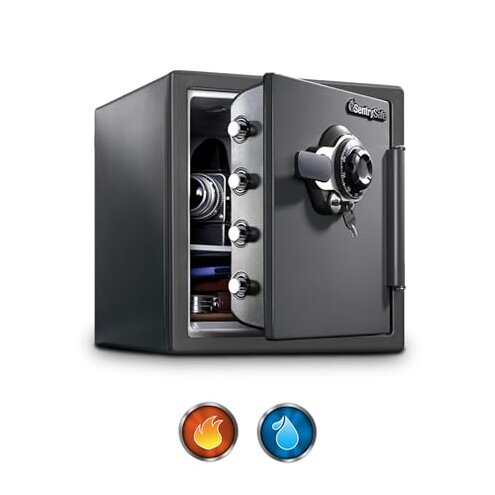
Product evaluated: SentrySafe Fireproof and Waterproof Steel Home Safe with Keypad, Floor Safe with Interior Lighting and Shelves, 1.23 Cubic Feet, 17.8 x 16.3 x 19.3 Inches, SFW123FUL
Related Videos For You
Where to Hide a Safe - Best & Worst Places to Hide a Safe in Your House
Safe and Vault Preventative Maintenance
Data basis: This report synthesizes dozens of written reviews and several video demonstrations collected over the last few years through Jan 2026. Most feedback came from written reviews, supported by demonstration clips and buyer Q&A. Source mix shows a majority of firsthand user reports with some repair and teardown videos.
| Outcome | SentrySafe SFW123FUL | Typical mid-range safe |
|---|---|---|
| Lock reliability | Higher risk of keypad/battery failures during setup or months later. | Expected occasional battery changes with fewer lockout reports. |
| Water protection | Mixed reports of water intrusion after prolonged exposure. | More consistent seals claimed and fewer intrusion reports. |
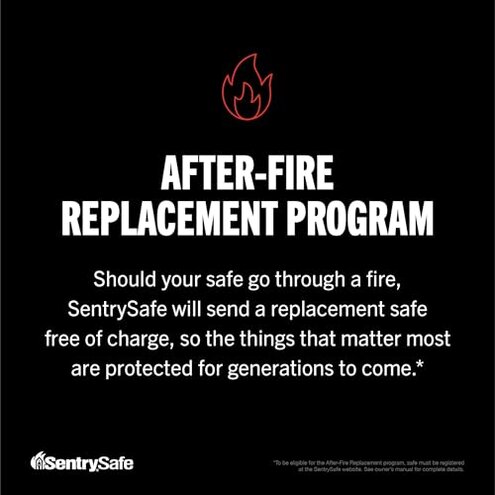
| Fire performance | Claims 1 hour at high temperature; some users still report interior damage. | Comparable claims, but mid-range alternatives show fewer post-fire complaints. |
| Installation effort | High due to heavy weight and required floor-bolting. | Typical for the category but lighter models exist. |
| Regret trigger | Lockout or leak after an emergency makes recovery difficult. | Less likely to cause complete access loss in real events. |
Will the keypad or key access leave you locked out?
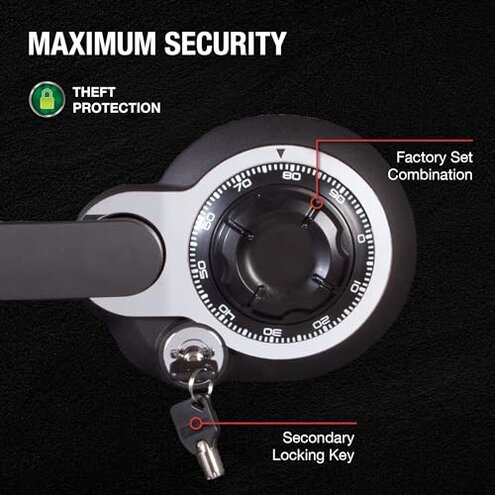
Primary frustration: Buyers commonly report keypad or battery problems during setup or after months of use, leaving people unable to open the safe.
Severity note: This is more disruptive than typical mid-range safes because a lockout can block access to critical documents during an emergency.
Does the waterproof claim hold up in real floods?
- Early sign: Watermarks or dampness appears after prolonged exposure or partial submersion.
- Frequency tier: This is a secondary but recurring pattern in user reports.
- Cause hint: Partial latching, uneven placement, or gasket seating often coincides with intrusion reports.
- Impact: Wet documents and electronics defeat the advertised protection.
- Fix attempts: Users report needing extra sealing steps or internal replacements to restore dryness.
Is installation heavier and more awkward than expected?
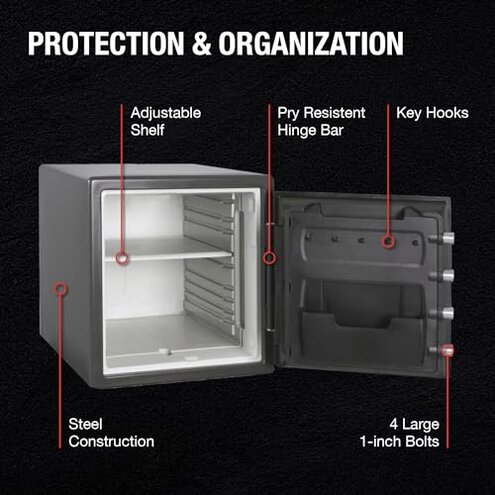
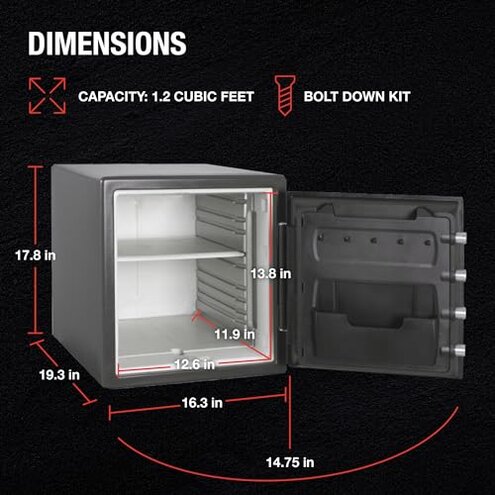
- Weight reality: The safe is heavy and often requires two people to move and position safely.
- Hidden requirement: Floor-bolting is needed for stability and full performance, which adds installation steps.
- When it worsens: Installation becomes harder on uneven floors or carpeted surfaces.
- Category contrast: More effort than many mid-range alternatives that are lighter or come with easier anchoring hardware.
- Buyer impact: Extra time, tools, and possibly a contractor increase total cost of ownership.
- Attempted fixes: Buyers often added shims, additional bolts, or professional installers.
- Fixability: Bolting fixes stability but does not address lock or seal failures.
Will the fire claim protect valuables the way you expect?
- Pattern: Less frequent than lock issues but more frustrating when it occurs after a real event.
- When it appears: Damage is reported after high-heat exposure despite advertised hour rating.
- Why worse: Buyers expect paper and digital media to survive a fire rating, which feels misleading when items are damaged.
- Early sign: Interior scorching or warped trays after intense heat exposure.
- Scope signal: Occurs across multiple user reports and demonstration videos, not isolated to a single batch.
- Attempted mitigations: Users added internal insulation or moved irreplaceables to higher-rated safes.
- Edge-case note: Outcomes vary widely depending on fire severity and positioning.
- Fixability: No simple fix after a failed fire event; replacement is usually required.
Illustrative excerpts (not real quotes)
"Keypad locked after months, batteries fresh but pad dead." — primary pattern
"Water at the bottom after sitting in an inch of floodwater." — secondary pattern
"We had to hire help to move and bolt it down safely." — secondary pattern
"Documents were scorched even though the door stayed closed." — edge-case pattern
Who should avoid this
- People who need instant access: If lock reliability during emergencies matters, this model's lockout reports exceed category tolerance.
- Flood-zone homeowners: If uninterrupted waterproof protection is critical, mixed intrusion reports make this risky.
- Buyers without moving help: If you cannot safely move and bolt an 86-pound safe, installation effort is a major added cost.
Who this is actually good for
- Budget-conscious document storage: Buyers who accept extra setup work and occasional maintenance can get basic fire resistance.
- Users near a workshop: People who can bolt it down and check seals regularly will reduce leak and stability issues.
- Storage for low-value items: If temporary protection from fire or water is acceptable, this safe can suffice.
Expectation vs reality
Expectation (reasonable for this category): A mid-range home safe should require a battery change now and then and remain accessible.
Reality: Reports show more frequent keypad failures and occasional lockouts, creating higher emergency risk.
Expectation: Waterproof ratings mean items stay dry after floods.
Reality: Some users still report water intrusion after prolonged exposure, making claims less reliable in practice.
Safer alternatives
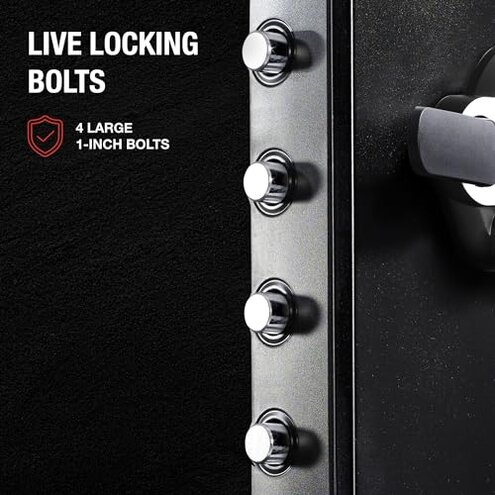
- Choose mechanical locks: Prefer models with a mechanical backup or dual-entry system to avoid full electronic lockouts.
- Higher waterproof rating: Look for safes with tested submersion specs and independent verification to reduce intrusion risk.
- Professional installation: Plan for professional bolting or lighter models to avoid installation mishaps tied to weight.
- Higher fire rating: If irreplaceables matter, pick a safe with a documented higher internal-temperature rating and verified post-fire performance.
The bottom line
Main regret: The most common buyer trigger is unexpected lock or seal failure during setup or an emergency.
Why it matters: These failures create higher-than-normal access and protection risk compared with typical mid-range safes.
Verdict: Avoid this model if you need dependable, maintenance-free protection during emergencies.
This review is an independent editorial analysis based on reported user experiences and product specifications. NegReview.com does not sell products.