
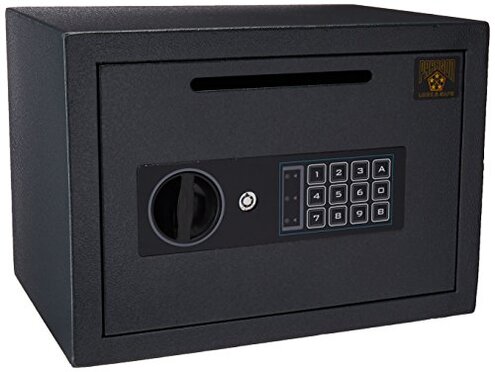
Product evaluated: Drop Safe - Digital Compact Steel Money Security Box with Keypad - Deposit Cash Easily – For Home or Business by Paragon Safe - Black, .54 Cubic Feet
Related Videos For You
Money drop safe DSF 2114 by Stealth Made in US
Double Door Digital Safe Depository Drop Box Safes
Data basis I analyzed dozens of written reviews and several video demonstrations collected between Jan 2020 and Jan 2026. Most feedback came from written reviews, supported by videos showing the unit in real use. Patterns reported are commonly seen across many buyers.
| Outcome | Paragon Drop Safe | Typical Mid-Range Safe |
|---|---|---|
| Access reliability | Unreliable keypad errors and unexpected lockouts are commonly reported. | Generally reliable electronic access with fewer lockout incidents. |
| Battery & power | High drain complaints appear repeatedly, requiring frequent battery replacement. | Moderate drain that lasts through typical use cycles. |
| Physical security | Mixed reports of thin panels and dents after impacts. | Stronger build with heavier gauge and fewer deformation reports. |
| Installation | Hidden needs like masonry tools and stronger anchors often required. | Smoother install with clear hardware for common surfaces. |
| Regret trigger | Lockout and false alarms are more disruptive than expected for this category. | Minor inconveniences that rarely block access. |
Top failures — what makes buyers regret this purchase
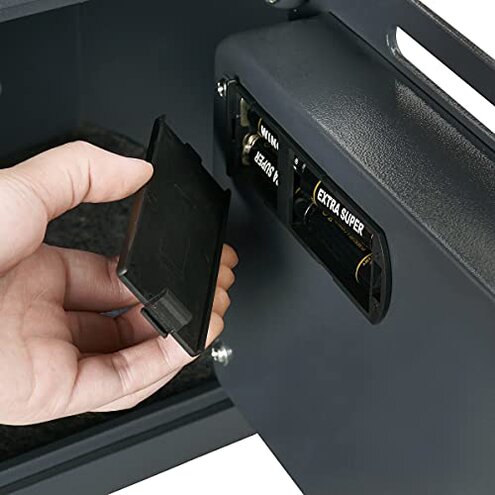
Why does the keypad sometimes refuse to accept my code?
Keypad failures are a common regret moment when you need quick access.
Pattern This is commonly reported and appears repeatedly in early setup and daily use.
Usage anchor Problems show up during first program attempts and after repeated daily entries, especially in busy retail use.
Category contrast This is worse than most mid-range safes because it leads to actual lockouts and audible alarms, not just temporary frustration.
Is the safe easy to dent or pry open?
- Early signs Small dents and bent edges appear soon after normal handling in many reports.
- Frequency tier This is a secondary issue that appears repeatedly but is less common than keypad failures.
- Cause Buyers point to thinner panels and light impacts during shipping or installation.
- Impact Visible damage reduces perceived security and resale value.
- Fixability Cosmetic dents are repairable but require time and tools not included.
Will I need extra tools or hardware to mount it safely?
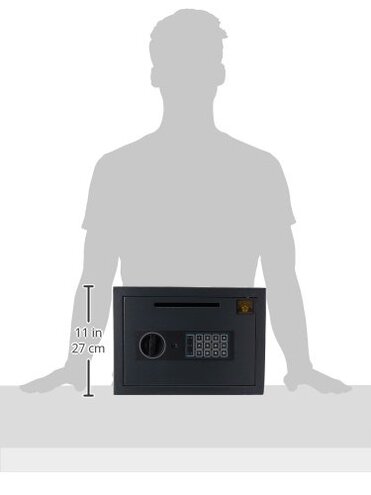
- Hidden requirement Many buyers find a drill and masonry bits are needed despite included bolts.
- Pattern This appears repeatedly across written feedback and video installs.
- Usage anchor The issue shows up at install time when mounting to concrete or brick.
- Category contrast This is more setup work than typical mid-range models that include clearer mounting guidance.
- Cause Anchor bolts included are basic and often don't match buyer wall material.
- Impact Install takes extra time and may require a contractor or extra trips for parts.
Why are alarms and battery problems so disruptive?
- Alarm false positives can trigger during normal handling, and they appear as a persistent complaint.
- Battery drain is commonly reported and often worsens after months of use.
- Lockout length The unit's multi-stage alarm and long lockout felt more disruptive than expected for this price tier.
- Override keys are included but some buyers report fit or trust issues with the manual keys.
- Support friction Help getting replacement batteries, keys, or firmware guidance is less responsive than buyers expect.
- Impact These issues add time and stress when access is urgent, like end-of-day cash drops.
- Fixability Temporary fixes exist, but many buyers say the solution requires repeated battery swaps or returning the unit.
Illustrative buyer phrasing (not actual quotes)
Illustrative "Keypad locked me out during a busy shift, alarm went off." — primary
Illustrative "Needed a masonry bit and stronger anchors to bolt it down properly." — secondary
Illustrative "Alarm blared after a light bump; batteries drained fast." — primary
Who should avoid this
- Retail operators who rely on fast, uninterrupted code access should avoid this because lockouts are more common than expected.
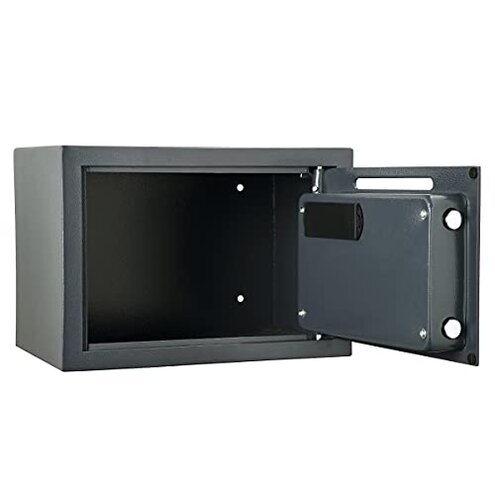
- Low-skill installers who cannot or will not use masonry tools should avoid this due to hidden mounting needs.
- Buyers wanting low maintenance should avoid this because battery drain and alarms add regular upkeep beyond the category baseline.
Who this is actually good for
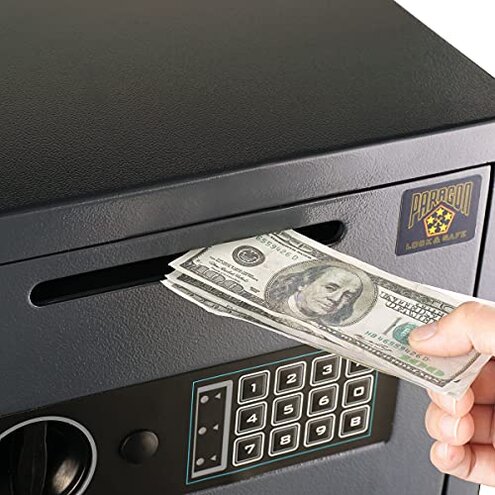
- Budget-minded home users who need a basic drop box and can tolerate occasional alarms and manual fixes.
- Owners with workshop skills who can handle drills and stronger anchors to improve mounting security.
- Secondary storage where instant access isn't critical and a dent or alarm is an acceptable trade-off.
Expectation vs reality
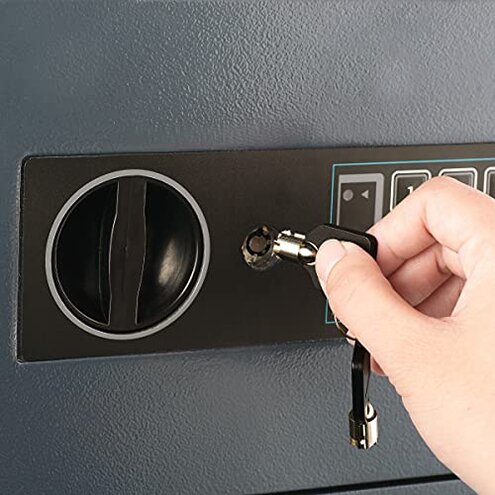
- Expectation (reasonable) A keypad safe should allow reliable code access; reality here includes lockouts and repeated keypad errors.
- Expectation (reasonable) Included mounting hardware should work; reality many needed extra tools and stronger anchors.
- Expectation Battery life should be routine; reality buyers report faster-than-expected drain and more maintenance.
Safer alternatives
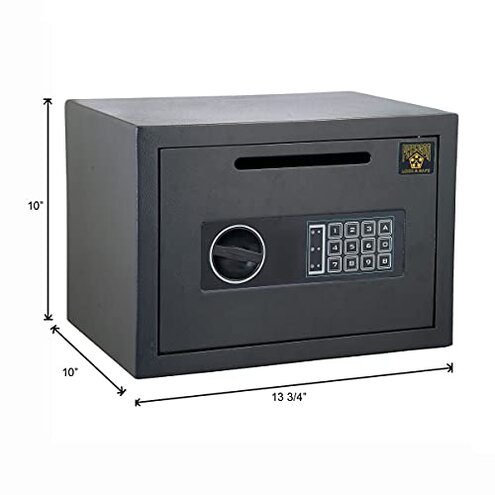
- Look for models with proven keypad reviews to neutralize the unreliable-access risk.
- Pick safes that list battery life in hours or cycles to avoid frequent replacements.
- Choose units that include surface-specific anchors or detailed mounting guides to eliminate hidden install needs.
- Prefer thicker-gauge steel or reinforced panels if physical dents or prying are a concern.
The bottom line
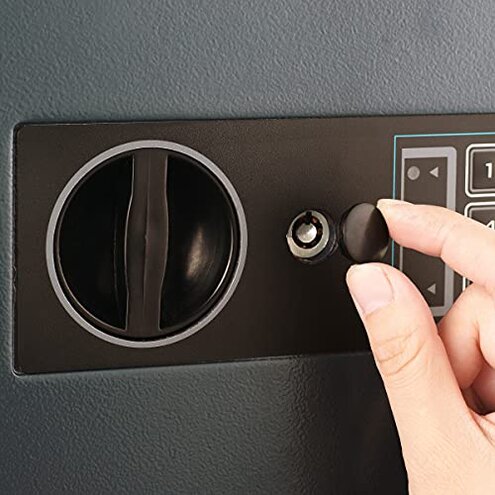
Main regret is the combination of unreliable keypad access and disruptive alarms.
Exceeds risk because these failures block access and demand extra tools or maintenance, which is worse than typical mid-range safes.
Verdict Avoid this model if quick, dependable code access or low upkeep matters to you.
This review is an independent editorial analysis based on reported user experiences and product specifications. NegReview.com does not sell products.