
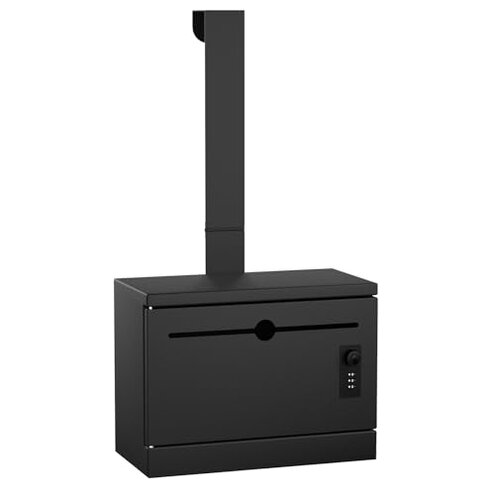
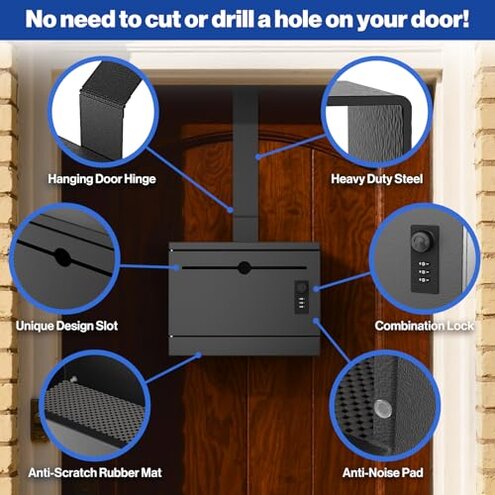
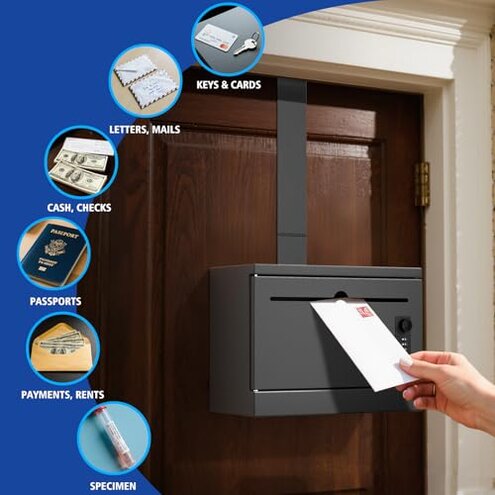
Product evaluated: Pochar Over-the-Door Steel Specimen Container - Payment, Key, Night Drop Box - 6.5'' Height Adjustable, Removable Hinge for Wall Mount (Black)
Related Videos For You
Through The Door Drop Slot with Receptacle Demo / Review
How Does the Anti Theft Package Delivery Box Work? #feliluke
Data basis: This report is based on dozens of buyer comments and video demonstrations collected between Jan 2024 and Jan 2026. Most feedback came from written reviews, supported by hands-on video demos and Q&A posts.
| Outcome | Pochar DB22-H | Typical mid-range alternative |
|---|---|---|
| Security | Mixed — combination lock reliability is a common complaint during daily use. | Stable — many mid-range boxes use keyed locks or sturdier coded mechanisms. |
| Fit & installation | High friction — fits only certain doors and often needs adjustment or extra screws. | Smoother — typical alternatives include clearer fit specs and fewer hidden steps. |
| Durability | Questionable — reports of bent edges and easy prying under stress. | Better — competitors often use reinforced seams or thicker panels. |
| Noise & operation | Noisy — drop and hinge noise appears in several user experiences. | Quieter — padded or precision hinges reduce slam and rattling. |
| Regret trigger | Lock & fit failure — more disruptive than category norm since it affects security and daily access. | Minor inconvenience — most mid-range boxes have isolated user issues, not combined failures. |
Why does the combination lock jam or reset?
Regret moment: You discover the box is unusable when trying to open it after a drop-off.
Pattern: Combination issues are recurring across buyers, appearing after initial setup or during routine use.
Category contrast: This is worse than expected for a mid-range drop box because the lock directly controls access and failures stop all use.
Does it fail to fit or require hidden hardware?
- Early sign: The box sits loose on the door after first hang.
- Frequency tier: This is a primary issue for many buyers attempting immediate installation.
- Cause: Adjustable hinge and height require extra screws or washers to avoid wobble.
- Hidden requirement: Wall mounting needs removing the hinge and precise drilling, a non-obvious step for many buyers.
Is the box actually secure against tampering?
- Primary concern: Some buyers report the drop slot and edges allow prying attempts under force.
- Usage context: Issues appear during attempted thefts or when the box is left unattended overnight.
- Severity: The security gap is more disruptive than expected because it undermines the product’s core purpose.
- Impact: Compromised items or forced entries create direct financial or privacy loss.
- Attempts to fix: Buyers add extra brackets, screws, or external locks to compensate.
- Fixability: These fixes require added time and cost, making the experience less convenient than typical boxes.
Why is installation noisy, fiddly, or prone to alignment problems?
- Alignment issue: The adjustable height range requires careful placement to avoid scraping or misdrops.
- Noise: Drop action often produces a loud thud if not cushioned correctly.
- Early fix: Rubber pads help but are sometimes insufficient without extra padding.
- Frequency tier: This is a secondary but common inconvenience during daily use.
- Cause: Hinge tolerances and thin backing reduce precision fit, especially on thicker doors.
- User workaround: Several buyers report re-drilling or shimming the hinge for a snug fit.
- Hidden cost: Added hardware and time make the total setup more than a quick hang-and-go.
Illustrative excerpts (not real quotes)
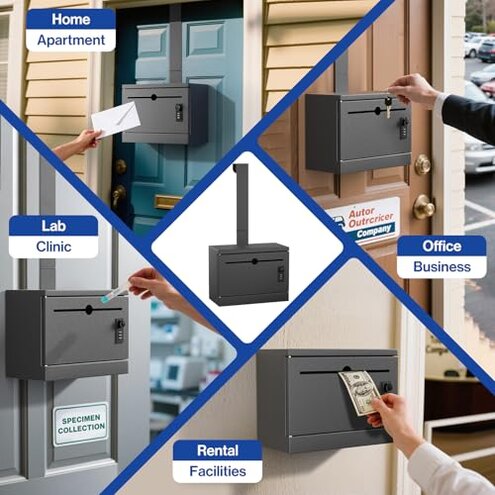
“Lock froze after first week; I couldn’t open it.” — primary pattern
“Had to add screws and a shim to stop wobble.” — primary pattern
“Dropped a letter and it rattled all night.” — secondary pattern
“Removing the hinge to wall-mount was messier than expected.” — secondary pattern
“I added a padlock after a near-pry attempt.” — edge-case pattern
Who should avoid this
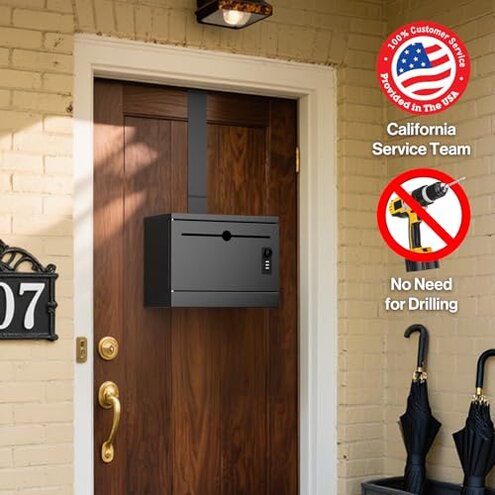
- High-security needs: Avoid if you need guaranteed tamper-proof drop-off, since lock and pry risks exceed normal category tolerance.
- Plug-and-play users: Avoid if you expect fast, no-tools setup because hidden mounting steps add time and tools.
- Thin-door owners: Avoid if your door is near the edges of spec because fit issues produce wobble and noise.
Who this is actually good for
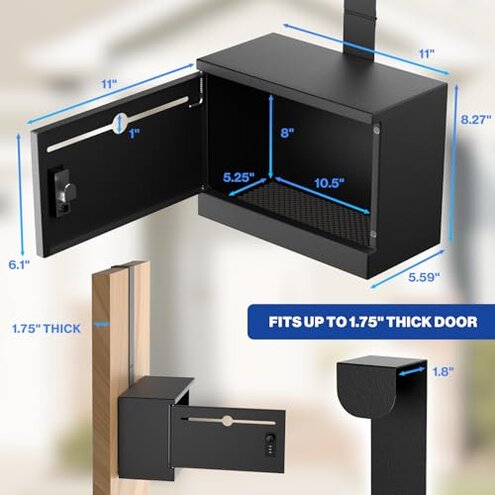
- Low-risk drop-offs: Good for secured indoor rooms where robust anti-pry protection is not crucial.
- DIY modifiers: Good for buyers willing to add brackets, shims, or an external lock to fix weak points.
- Short-term use: Good for temporary setups where budget matters and long-term durability is less important.
Expectation vs reality
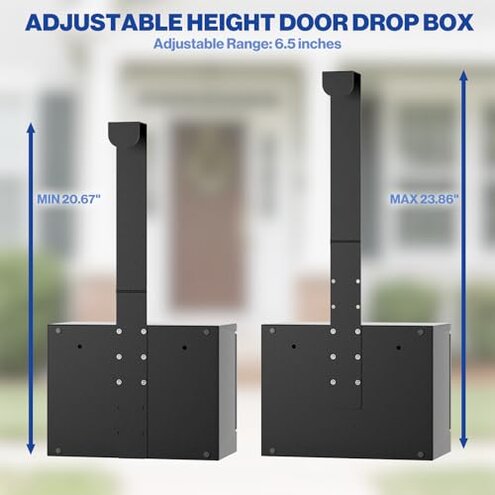
Expectation: A mid-range over-the-door box should provide reliable lock access and a snug fit without extra hardware.
Reality: The Pochar often requires additional fixes for the lock, hinge, and anti-pry protection, making it worse than typical competitors.
Safer alternatives
- Choose keyed locks: Prefer boxes with keyed mechanisms if you want fewer code-failure headaches.
- Check fit specs: Buy alternatives with explicit door-thickness tolerances and included shims to avoid hidden mounting steps.
- Look for reinforced seams: Prioritize models advertising reinforced edges to reduce pry risk without aftermarket fixes.
- Opt for padded hinges: Select boxes with built-in cushioning to prevent noisy drops and door damage.
The bottom line
Main regret: The combined lock reliability and fit problems are the clearest trigger for buyer disappointment.
Why worse: These issues hit both security and daily use, which is more disruptive than a typical single-point failure in this category.
Verdict: Avoid this model unless you are prepared to spend time and money adding hardware to correct lock and mounting weaknesses.
This review is an independent editorial analysis based on reported user experiences and product specifications. NegReview.com does not sell products.