
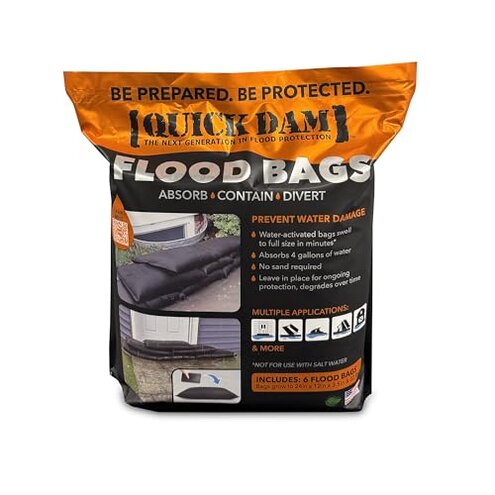
Product evaluated: Quick Dam - QD1224-6 Water Activated Flood Bags 1ft x 2ft, 6-Pack
Related Videos For You
How To Use Sandbags to Prevent Flooding | Severe Weather Guide
How To - Water-Activated Flood Bags & Barriers
Data basis: This report used dozens of written reviews, photo posts and several video demonstrations collected between Jan 2018 and Jan 2026, with most feedback coming from written reviews supported by photos.
| Outcome | Quick Dam (this listing) | Typical mid-range alternative |
|---|---|---|
| Effectiveness | Variable — expansion often inconsistent in reports. | Steady — most mid-range bags expand reliably when wet. |
| Setup time | Fast on paper, but some buyers needed extra soaking or adjustment. | Moderate — similar initial time but less rework. |
| Reusability | High risk — durability and deflation concerns appear repeatedly. | Lower risk — alternatives often allow multiple uses before failure. |
| Storage & size | Compact — small when dry, matches compact-category expectations. | Compact — typical for mid-range options as well. |
| Regret trigger | Unreliable protection — failure to fully expand or retain water is more disruptive than expected. | Predictable failure — most buyers get expected short-term performance. |
Top failures
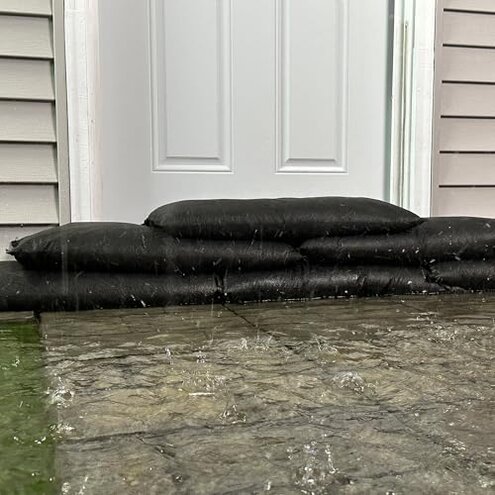
Why did the bag not expand fully when I needed it?
Regret moment: Many buyers report hitting a doorway or low point only to find a bag under-expanded and thin at first use.
Pattern: This is a primary complaint that appears repeatedly across written feedback.
When it shows up: The issue appears at first use or after short soaking when the bag is not allowed proper wetting time or is placed on uneven surfaces.
Category contrast: Expansion inconsistency is more disruptive than expected because mid-range alternatives usually inflate predictably with a single soak.
Are these bags leaking or losing shape after use?
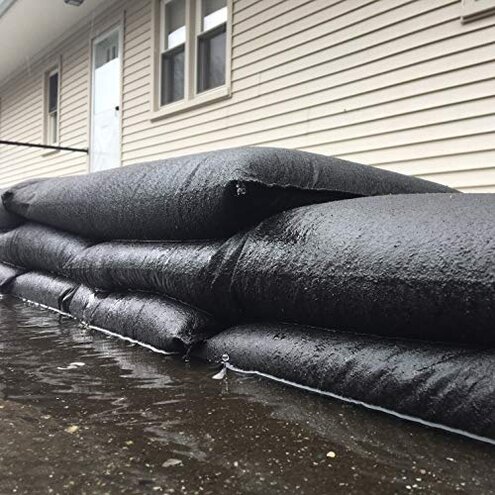
- Leak reports: Many buyers describe deflation after a single flood event, making the issue a common post-use problem.
- Usage anchor: The problem often appears during light flooding or when left in standing water overnight.
- Cause signal: Reports point to seam failures or saturated outer layers causing loss of structure.
- Impact: Deflation reduces blocking height and requires immediate replacement or added sandbags.
Will salt water or chemicals ruin these?
- Hidden requirement: Manufacturer guidance warns not to use with salt water, which appears several times in user notes.
- When it matters: Damage or rapid deflation shows up immediately after salt exposure.
- Severity: This is a secondary pattern but causes instant unusability when it occurs.
- Why worse than normal: Most mid-range flood products tolerate occasional brackish exposure better than this one.
- Hidden cost: Users must rinse, avoid coastal use, or buy different products, adding extra steps.
- Fix attempts: Buyers tried fresh-water rinses or replaced units, with mixed success and continued frustration.
How durable are these for repeated emergency use?
- Durability pattern: Repeated reports indicate tearing and surface wear after limited cycles.
- When it shows up: Damage often appears after the first few uses or during transport and storage handling.
- Frequency tier: This is a primary or strong secondary complaint depending on buyer care.
- Impact on readiness: Rapid wear means buyers must keep extra units on hand to remain prepared.
- Attempts to fix: Patching or double-bagging was tried but added time and reduced effectiveness.
- Category contrast: These bags are less forgiving than many mid-range options that handle multiple events better.
- Hidden requirement: Proper storage, gentle handling and drying are needed to reduce failure risk, creating an unexpected upkeep burden.
Illustrative excerpts
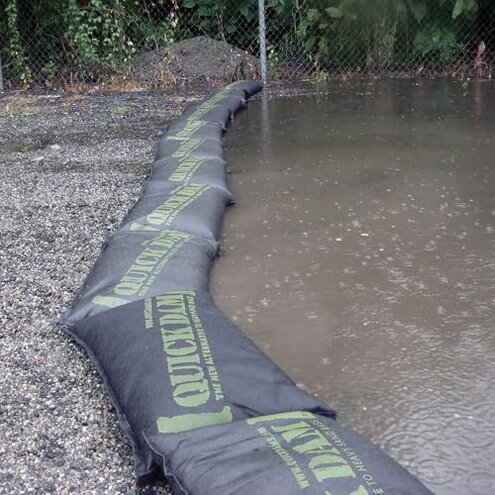
Illustrative: "Bag barely swelled and let water seep under my door." — Primary pattern.
Illustrative: "It deflated after one night in standing water." — Primary pattern.
Illustrative: "Rinsed with salt water and the unit sagged immediately." — Secondary pattern.
Who should avoid this
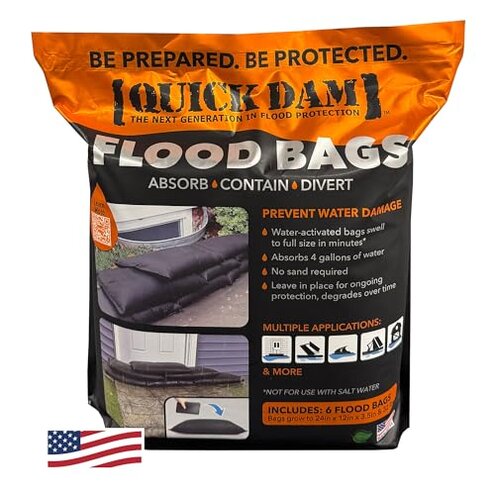
- Coastal homeowners: Avoid if you expect salt water exposure, because damage can be immediate.
- Frequent users: Avoid if you need reusable flood protection, due to durability concerns.
- Critical entrances: Avoid for main-door protection where consistent height matters, because under-expansion is common.
Who this is actually good for
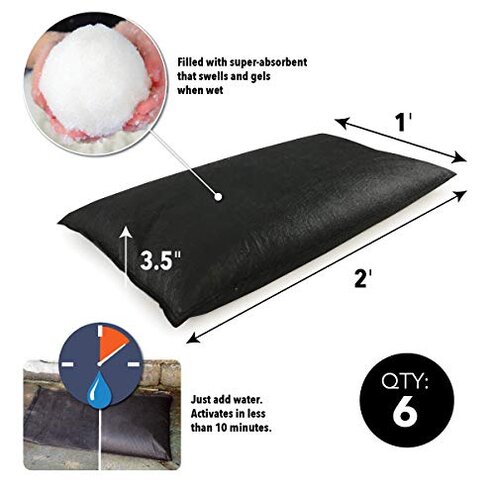
- Single emergency buyers: Useful if you need a compact, temporary barrier for a one-off freshwater event.
- Storage-limited users: Good when space is tight and you accept potential single-use limitations.
- Supplemental protection: Fine as a backup to sandbags, recognizing it may need reinforcement.
Expectation vs reality
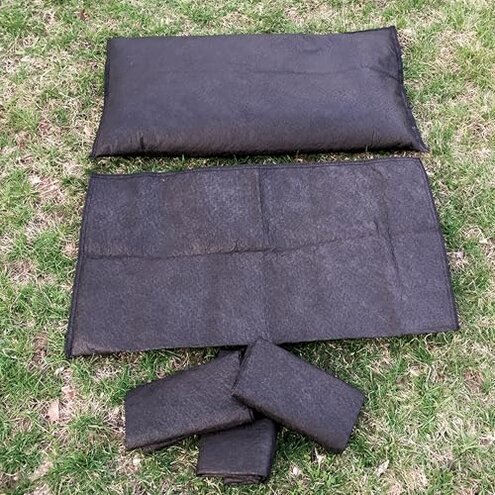
Expectation: Reasonable for this category is a predictable single-use expansion that blocks small leaks.
Reality: Many buyers found inconsistent expansion and rapid deflation, which is worse than typical mid-range products.
Safer alternatives
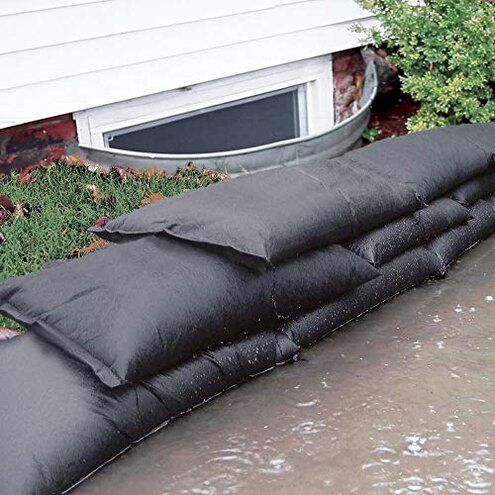
- Choose proven reusable bags: Pick products with explicit multi-use durability claims to neutralize reusability failure.
- Avoid salt exposure: If coastal, buy bags labeled for brackish or salt tolerance to prevent immediate failure.
- Test before an event: Soak and inspect units at home to neutralize expansion surprises.
- Keep reinforcement: Have sandbags or heavier barriers ready to neutralize deflation during storms.
The bottom line
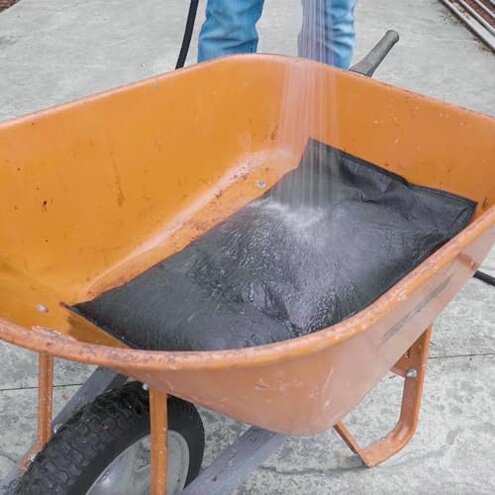
Main regret: The principal trigger is unreliable expansion and retention, which reduces real-world flood protection.
Why higher risk: The product shows more frequent failure modes than typical mid-range options, especially for reuse and coastal conditions.
Verdict: Avoid if you need dependable, repeatable flood defense; consider these only for compact, short-term freshwater backups.
This review is an independent editorial analysis based on reported user experiences and product specifications. NegReview.com does not sell products.