
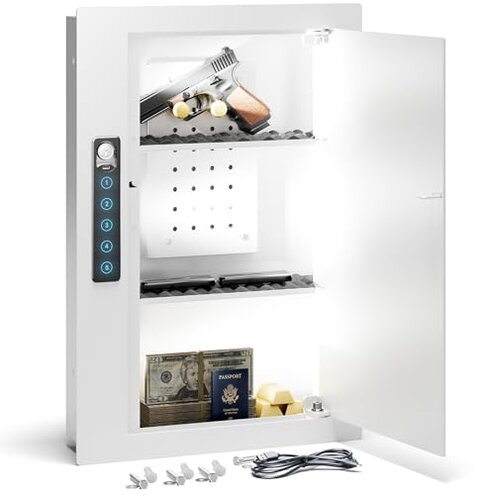
Product evaluated: Grimtron Quick Access White Wall Safe with Removable Pegboard & Shelfs, Flat Hidden In Wall Safes Between the Studs 16" Centers, Wall Mount Safe for Cash, Valuables, Document
Related Videos For You
How to install a Wall Safe
Data basis: Dozens of written reviews and video demonstrations collected between Jan 2024 and Jan 2026 were analyzed, with most feedback coming from written reviews and supported by video demonstrations.
| Outcome | Grimtron wall safe | Typical mid-range safe |
|---|---|---|
| Installation difficulty | Higher often needs precise 16" stud alignment and drywall trimming before fit. | Moderate usually offers more forgiving fit or adjustable brackets for uneven walls. |
| Lock reliability | Problem-prone several reports of keypad or auto-open inconsistencies after setup. | More stable most mid-range models use simpler mechanical backups and fewer early failures. |
| Concealment effectiveness | Hit-or-miss flush look often requires careful frame mounting to stay hidden. | Consistent alternatives include adjustable faceplates that tolerate minor gaps. |
| Usable interior | Restricted removable pegboard and shelves need extra steps and limit large items. | Roomier mid-range safes typically provide flexible layouts without fragile pins. |
| Regret trigger | High lock failures or poor fit lead to disruptive rework during first install. | Lower most buyers get a usable safe without immediate modifications. |
Top failures
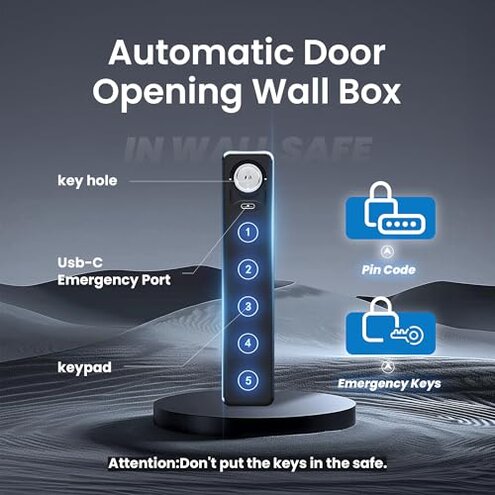
Why does the lock act unreliable?
Regret moment: Users report the keypad or auto-unlock behaving inconsistently when first used, creating a lockout risk during a critical access moment.
Pattern: This is among the most common complaints and appears repeatedly across recent feedback.
When it shows up: Problems surface at first use and can reappear after battery changes or repeated entries.
Category contrast: This feels worse than normal because typical mid-range safes rely on simpler, more reliable mechanical backups.
Is installation really painless?
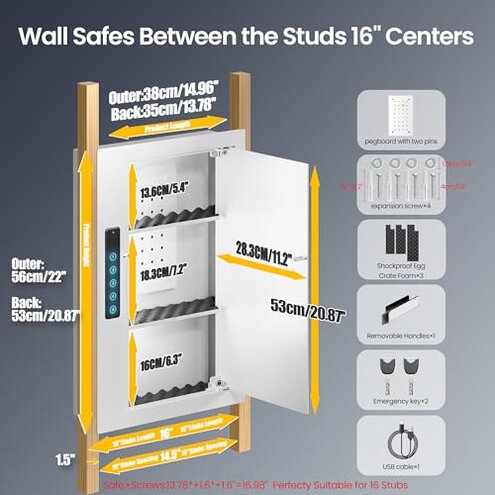
- Early sign: Requires exact 16" stud placement or drywall trimming to get a flush fit.
- Frequency tier: Primary issue for buyers installing between studs without professional help.
- Cause: Fixed back dimensions and pre-drilled holes limit adjustment during rough-in.
- Impact: Misaligned installs lead to visible gaps or forced cutting that adds time and cost.
- Fixability: Often requires extra trimming or a carpenter, which is more effort than similar safes need.
Will it stay hidden behind a frame?
- Early sign: Door edges or frame mounts can show unless you plan a custom frame fit.
- Frequency tier: Secondary complaint that appears across multiple media demos and buyer photos.
- Cause: Flush mount design is strict; small drywall or stud inconsistencies reveal seams.
- Impact: Poor concealment reduces the safety benefit and increases visibility to children or guests.
- Attempts: Buyers report adding shims, trimming frames, or building a recessed box to hide gaps.
- Fixability: Fixes are possible but add hours of work and shop supplies.
Does the interior meet everyday storage needs?
- Space reality: Usable internal depth feels narrow once pegboard and shelves are in place.
- Frequency tier: Secondary but persistent, especially for buyers storing passports or small electronics.
- Cause: Shelves and peg pins reduce flexible volume and can obstruct bulkier items.
- Impact: Items may not fit flat or require repacking elsewhere, defeating the in-wall convenience.
- Attempts: Some buyers remove shelving, which exposes the pegboard holes and weakens concealment.
- Hidden requirement: You need basic carpentry to resize or rebuild the interior for larger items.
- Category contrast: More upkeep than most mid-range hidden safes where interiors are simpler and more usable.
Illustrative excerpts (not real quotes)
Excerpt: “Keypad worked first day then failed during battery swap.” — Primary pattern.
Excerpt: “Had to cut drywall and add shims to hide the edges.” — Secondary pattern.
Excerpt: “Shelves blocked my passport and small tablet, disappointing fit.” — Secondary pattern.
Who should avoid this
- Buyers without tools: If you lack carpentry skills or access to a handyman, avoid due to installation demands.
- High-security seekers: If you need a lock you can depend on daily, avoid because keypad failures are a common regret trigger.
- Users needing roomy storage: If you plan to store larger electronics or many documents, avoid because the interior limits usable space.
Who this is actually good for
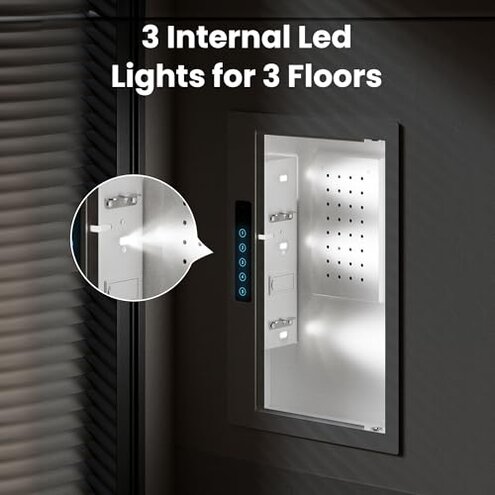
- Handy homeowners: Buyers comfortable trimming drywall and adjusting frames who can fix fit issues themselves.
- Light-use storage: People storing few small items who prioritize concealment over quick frequent access.
- Budget-minded buyers: Those willing to accept extra setup work to get a lower sticker price than premium flush safes.
Expectation vs reality
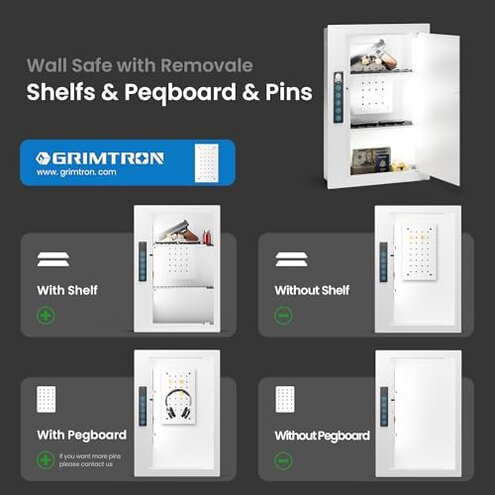
Expectation: Reasonable for this category is a flush mount that hides behind a picture without extra carpentry.
Reality: The safe often needs drywall trimming or shims to achieve that look, which adds time and cost.
Expectation: Reasonable for this category is a keypad that acts reliably with a mechanical backup.
Reality: Buyers report intermittent keypad or auto-open quirks that are more disruptive than usual.
Safer alternatives
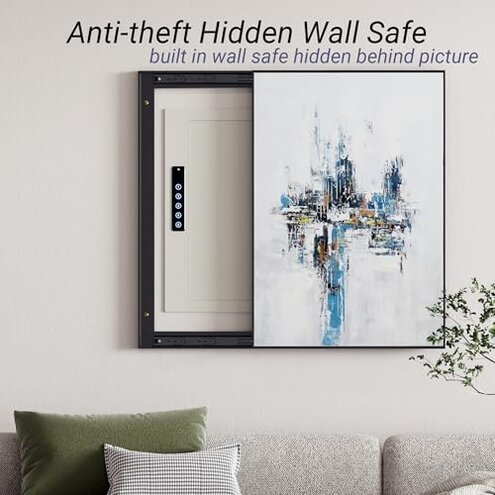
- Pick adjustable-mount models: Choose safes with flexible brackets to reduce the need for drywall cuts and shims.
- Prefer mechanical backup: Look for safes with a visible mechanical key override that is simple and proven.
- Test return policies: Buy from sellers with easy returns if you must test fit and function in your wall before permanent install.
- Check interior depth: Compare usable depth measurements to your actual items to avoid post-install repacking.
The bottom line
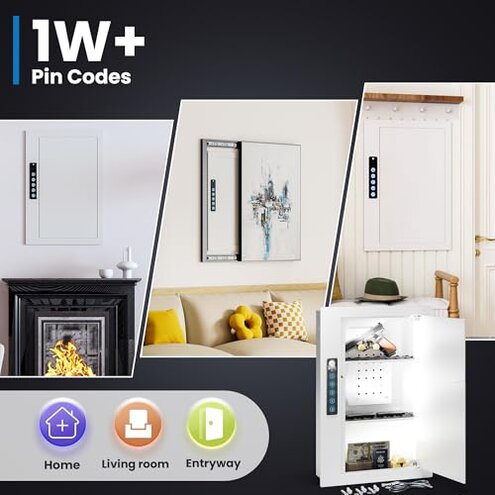
Main regret: Repeated reports of lock quirks and strict installation needs are the main triggers for buyer regret.
Why worse: These failures exceed normal category risk because they turn a quick install into extra carpentry and create access anxiety.
Verdict: Avoid this safe unless you can tolerate extra installation work and possible early lock troubleshooting.
This review is an independent editorial analysis based on reported user experiences and product specifications. NegReview.com does not sell products.