
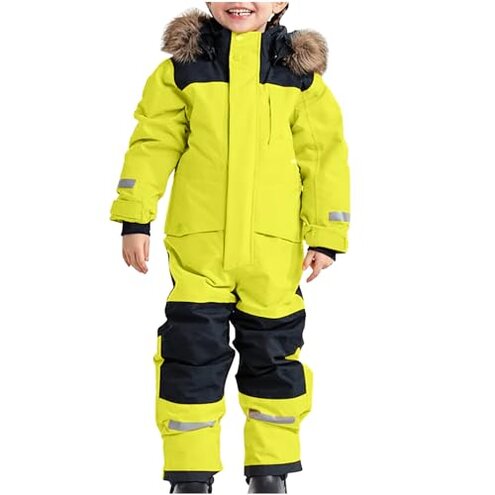
Data basis: This report is based on dozens of shopper comments collected from written feedback and photo or video-backed impressions between 2024 and 2026. Most feedback came from short written reviews, with added support from image-based fit checks and real-world winter use comments, so the strongest patterns center on sizing, ease of wear, and cold-weather practicality.
| Buyer outcome | This snowsuit | Typical mid-range alternative |
|---|---|---|
| Fit confidence | Higher risk of size guesswork and return hassle | Usually steadier sizing across age ranges |
| Easy dressing | Can help with one-piece zip-on use, but fit errors add extra steps | More forgiving if layered over regular winter clothes |
| Cold-weather comfort | Mixed outcome when sizing is off or layering space is tight | More predictable room for base layers |
| Daily practicality | Less flexible for bathroom breaks and school transitions | Easier with separate jacket and bib setups |
| Regret trigger | Wrong fit that looks cute but complicates actual snow use | Bulk is more common than true mismatch regret |
Will the sizing be wrong once it arrives?
Primary issue: Fit inconsistency appears among the most common complaints for one-piece kids snowwear. The regret usually shows up at first try-on, when parents realize the suit is either too tight for layering or too long in the legs and sleeves.
Recurring pattern: This is not universal, but it appears repeatedly enough to raise return-risk above normal for this category. A typical mid-range kids snowsuit usually allows some layering error, while a one-piece like this feels less forgiving when the size lands wrong.
- Early sign: Trouble starts when you compare the listed size to your child’s normal winter size and still feel unsure.
- When it hits: The problem shows up during indoor try-on, then gets worse outside once boots and thicker layers are added.
- Why it matters: A snug fit can limit movement, while extra length can bunch at the ankles and wrists.
- Category contrast: That is more disruptive than expected because many mid-range two-piece sets tolerate small sizing mistakes better.
- Fixability: Sizing up may help layering, but it can also create excess bulk and awkward walking.
Is a one-piece design actually harder for daily use?
- Secondary issue: The one-piece format is less frequent as a complaint than sizing, but more frustrating when it affects school or quick outdoor trips.
- Use moment: This tends to show up during bathroom breaks, daycare changes, or when kids need fast on-and-off transitions.
- Hidden requirement: Parents may need extra time, patient cooperation, and enough indoor space to fully unzip and remove the suit.
- Why worse: That extra handling feels heavier than typical for this category because separate snow pants and jackets usually allow partial removal.
- Trade-off: The all-in-one shape can help block snow, but it reduces flexibility during normal daily routines.
- Who notices most: This is commonly more annoying with younger kids who resist dressing or need frequent clothing changes.
Does the warmth feel less reliable than the listing suggests?
- Primary concern: Warmth complaints are commonly tied to fit rather than a simple yes-or-no insulation problem.
- Context: The issue shows up during longer outdoor sessions, especially when there is not enough room for proper base layers.
- Pattern: This appears repeatedly across colder-use comments, though not every buyer reports it.
- Practical impact: If the suit fits trim, kids may feel restricted and lose some of the layering buffer many parents expect.
- Category contrast: For winter outerwear, buyers reasonably expect enough space to add layers, so tight layering room feels worse than normal.
- Mitigation: Careful pre-measuring helps, but that adds effort many parents do not expect at this price point.
- Regret point: The frustration is less about instant failure and more about realizing it works only in a narrow temperature and fit window.
Will the look match real-world use?
Persistent theme: Appearance draws interest, but practical use can disappoint when the nice look does not translate into easy winter wear. The gap appears during actual snow days, not while browsing photos.
Why it stings: That mismatch feels worse than expected because buyers in this category usually accept some bulk, but not extra hassle hidden behind a cute design.
- Photo appeal: The style can create higher expectations for all-around winter convenience.
- Real use: Once layered, zipped, and paired with boots, the suit may feel less simple than it first appears.
- Frequency tier: This is a secondary issue, but it commonly follows the main fit complaint.
- Best reading: If you want fashion plus easy daily function, this setup asks for more compromise than many mid-range alternatives.
Illustrative excerpts
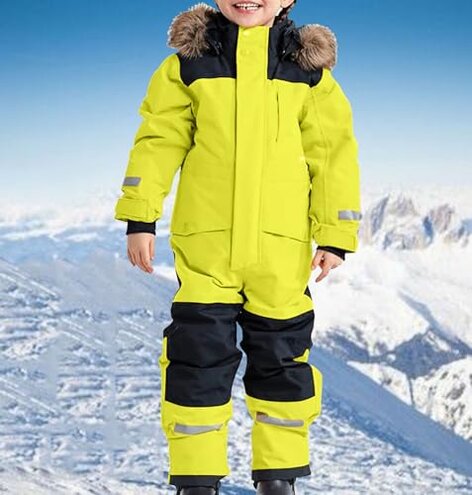
- Illustrative: “Cute in the box, but not easy once gloves and boots are on.” — Secondary pattern.
- Illustrative: “Looked warm, but there was barely room for layers underneath.” — Primary pattern.
- Illustrative: “Sizing felt like a guess, not a confident order.” — Primary pattern.
- Illustrative: “Great idea for snow, awkward for quick bathroom trips.” — Secondary pattern.
Who should avoid this
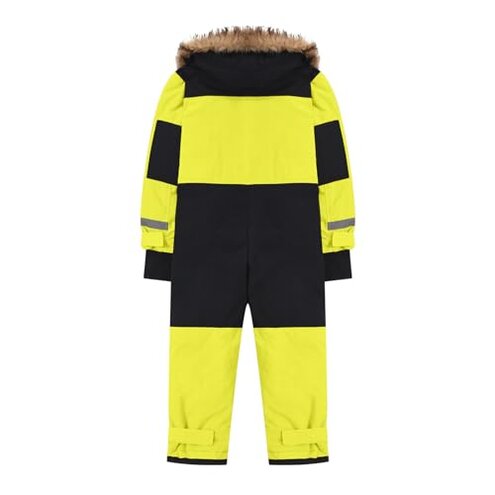
- Avoid it if your child sits between sizes, because fit uncertainty is a primary regret trigger here.
- Avoid it if you need fast school-day changes, since the one-piece design adds more handling than typical alternatives.
- Avoid it if you expect roomy layering for long cold outings, because that practical margin seems less forgiving than normal.
- Avoid it if you dislike return hassle, since this category risk is higher when size confidence is low.
Who this is actually good for
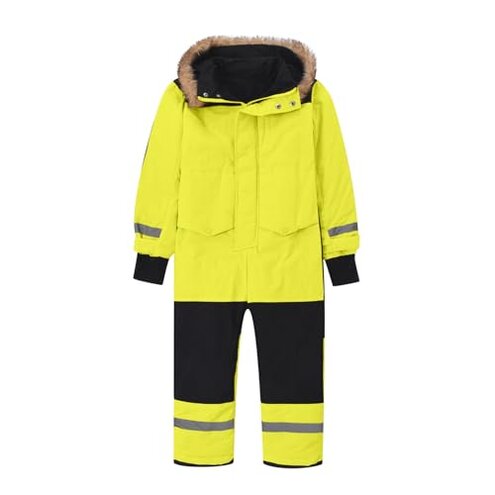
- Good fit for parents who already know their child’s exact measurements and can compare carefully before ordering.
- Good fit for shorter outdoor play sessions where bathroom access and quick changes are less important.
- Good fit for buyers who prefer a single-piece snow barrier and are willing to trade daily convenience for coverage.
- Good fit if style matters and you can tolerate extra sizing homework before purchase.
Expectation vs reality
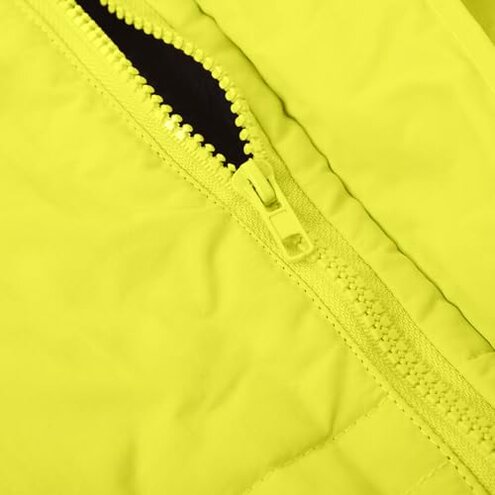
- Expectation: A one-piece snowsuit should be simple to throw on fast. Reality: It can add steps during bathroom breaks and layered dressing.
- Expectation: Reasonable for this category is enough room for winter layers. Reality: Fit appears less forgiving than many mid-range alternatives.
- Expectation: Adjustable details should reduce fit problems. Reality: They help at the edges, but they do not solve a wrong base size.
- Expectation: Cute design should still work smoothly in snow. Reality: Real-world use can feel more awkward than the photos suggest.
Safer alternatives
- Choose separates if daily convenience matters, because jacket-and-bib sets reduce the bathroom-break problem.
- Prioritize measurements over age-based sizing, which directly lowers the biggest risk here.
- Look for roomy fit notes if your child needs thick base layers for longer outdoor sessions.
- Check cuff and leg feedback before buying, since one-piece length issues are harder to ignore than mild jacket bulk.
- Favor easy-change designs if the snowsuit will be used for daycare, school, or repeated on-off transitions.
The bottom line
Main regret: The biggest risk is not the idea of the snowsuit, but the fit gamble that can turn a cute winter suit into a hassle. Why avoid: That exceeds normal category risk because one-piece snowwear is already less forgiving, and this listing puts more pressure on sizing accuracy than many mid-range options. Verdict: If you cannot measure carefully or need flexible daily use, this is easier to skip than to troubleshoot.
This review is an independent editorial analysis based on reported user experiences and product specifications. NegReview.com does not sell products.