
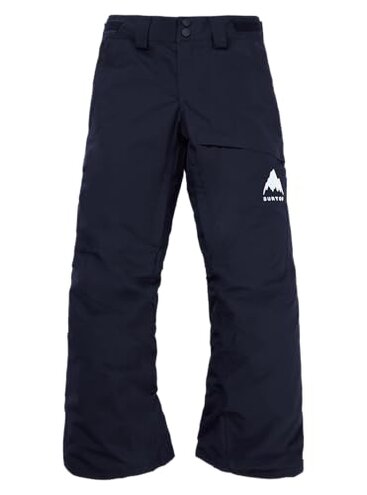
Product evaluated: Burton Kids' Gore-TEX Shell Pants, True Black, M
Related Videos For You
How To Properly Fit Your Snow Jacket & Pants
What to wear for Backcountry Skiing - A Pro's Guide to Layering
Data basis: This report is based on dozens of buyer impressions gathered from written feedback and short-form video impressions collected from recent seasons into the present. Most feedback came from written reviews, with lighter support from photo and video-based use reports, so the strongest signals center on fit, daily wear comfort, and value after real snow-day use.
| Buyer outcome | Burton shell pants | Typical mid-range option |
| Fit confidence | Medium risk because youth sizing can feel less predictable during growth spurts. | Lower risk when cut is simpler and less dependent on layering. |
| Warmth on first wear | Higher effort because this is a shell and needs base layers in colder use. | Easier since many mid-range kids snow pants add some built-in warmth. |
| Daily convenience | More steps from vents, gaiters, waist adjustment, and layering choices. | Simpler for families wanting grab-and-go snow gear. |
| Price regret risk | Higher-than-normal if the child outgrows them before the premium weather protection matters. | Lower because replacement hurts less in a fast-growth category. |
| Regret trigger | Paying premium for protection and durability when the main problem is basic fit or warmth expectations. | Usually lower because expectations match the simpler feature set. |
Do you want snow pants that feel warm right away without extra planning?
This is the primary issue. The regret moment usually happens on the first cold outing when buyers expect insulated warmth and get a shell feel instead. That trade-off is more disruptive than expected for this category because kids gear is often bought for simplicity, not system layering.
The pattern appears repeatedly in feedback around cold-weather use, especially when the pants are worn with light everyday clothes underneath. Compared with a typical mid-range kids snow pant, these demand more planning before each use.
When it shows up: It tends to appear during first wear, ski lessons, sledding days, or long chairlift breaks when activity drops and body heat falls. It gets worse in colder conditions or when parents assume the premium price includes built-in warmth.
Illustrative: “I thought premium meant warm by itself, but we needed layers immediately.” Primary pattern reflecting shell-vs-insulated expectation mismatch.
Is the sizing predictable enough for a growing kid and bulky layers?
- Frequency tier: This is a primary issue among complaints because fit problems are more common than outright material failure.
- When noticed: It usually shows up at try-on or the first full day outside when boots, base layers, and movement all change the feel.
- What buyers notice: The regular fit can still feel awkward depending on body shape, age, and how much layering is needed.
- Why it frustrates: In kids snow gear, buyers expect some margin for growth, but this can feel less forgiving than typical options once winter layers are added.
- Hidden requirement: Getting the best fit may require careful layering choices, not just choosing the usual size.
- Impact: Too much room can feel baggy, while a tighter fit can limit comfort during bending, sitting, and repeated play.
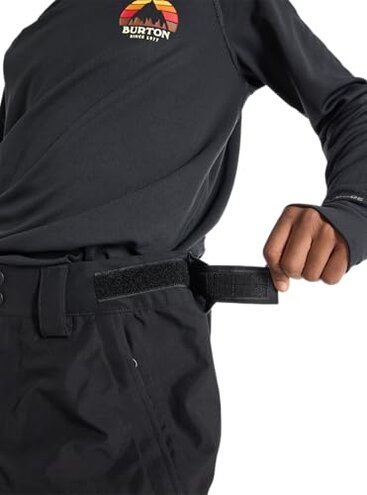
- Fixability: The waistband adjustment helps, but it is not a full fix if the rise, leg shape, or layer space feels off.
- Illustrative: “Fine in the bedroom, then too bulky and weird over snow boots.” Primary pattern tied to real-use fit changes.
Are you buying these mainly because the premium price suggests fewer compromises?
- Severity: This is a secondary issue, but it becomes more frustrating than expected because the price raises buyer expectations immediately.
- Context: Regret tends to appear after a few uses, once families realize they still need the right base layers and careful fit tuning.
- Buyer trade-off: The strong weather protection is real, but the ownership experience can feel less convenient than the price suggests.
- Category contrast: In a fast-growth kids category, premium gear carries higher replacement pain than most mid-range alternatives.
- Why this matters: If the child outgrows them quickly, the durable build may never deliver its full long-term value.
- Pattern signal: This concern is persistent across value-focused feedback, though not universal among frequent snow families.
- Illustrative: “Great protection, but too expensive for one season of growth.” Secondary pattern centered on replacement regret.
Do you want simple snow gear with minimal setup and fewer moving parts?
- Frequency tier: This is a secondary issue, less frequent than fit complaints but more annoying during rushed mornings.
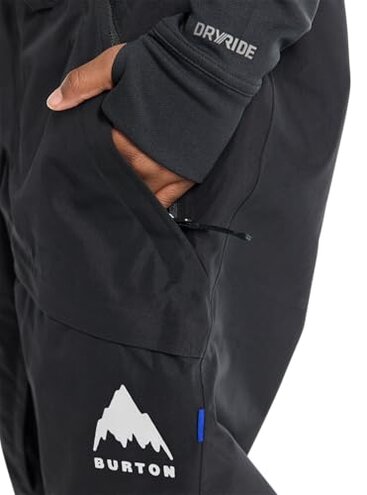
- When it appears: It shows up during daily use when parents are adjusting waist tabs, gaiters, vents, and boot interface details.
- What feels harder: The feature set can add extra steps before kids are fully dressed and ready.
- Who notices most: Families with younger kids or school-day snow routines often feel this burden more than destination-trip users.
- Category contrast: Many mid-range pants are less technical, but that also makes them faster to manage for everyday wear.
- Real impact: More features mean more chances for something to sit wrong, snag, or be left unadjusted.
- Fixability: Once the family learns the system, use gets easier, but there is still a learning curve that simpler pants avoid.
- Illustrative: “Too many little adjustments when we just needed quick snow pants.” Secondary pattern linked to convenience fatigue.
Who should avoid this
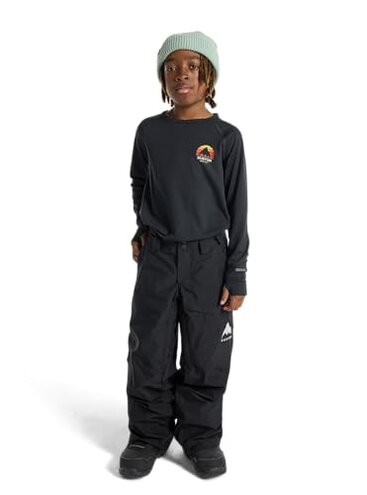
- Avoid it if you want built-in warmth without thinking about base layers, because the shell design creates a higher-than-normal setup burden.
- Avoid it if your child is between sizes or hard to fit, since layer-dependent fit can feel less predictable than simpler kids snow pants.
- Avoid it if budget matters more than top-tier weather protection, because growth can turn the premium price into quick regret.
- Avoid it if school mornings or casual snow play demand easy gear, since the technical features add more handling than many families want.
Who this is actually good for
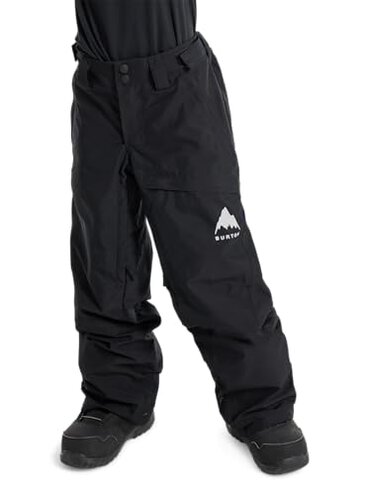
- Good fit for families who already understand shell layering and are willing to trade warmth-on-contact for better weather protection.
- Good fit for kids in wetter snow or stormy conditions where staying dry matters more than having insulated pants.
- Good fit for frequent snow users who can justify the price and will actually use the durability over more than occasional outings.
- Good fit for buyers comfortable spending extra time dialing in boots, layers, and waist adjustments for a better performance setup.
Expectation vs reality
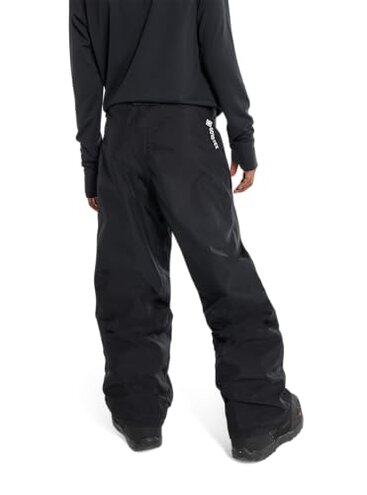
Expectation: Premium kids snow pants should feel warm enough right away for typical winter use.
Reality: These are a shell first, so comfort depends much more on what is worn underneath.
Expectation: A regular fit should make sizing easy.
Reality: Layering changes the fit enough that normal size confidence can drop during real use.
Expectation: Reasonable for this category is quick dressing and simple adjustment.
Reality: The more technical design can feel less convenient than a typical mid-range alternative, especially on rushed days.
Expectation: A high price should reduce compromise.
Reality: The main compromises shift to layering effort, fit tuning, and whether your child outgrows them too soon.
Safer alternatives
- Choose insulated kids snow pants if your main concern is warmth without planning, because that directly avoids the shell-layering regret.
- Prioritize easy fit options with more forgiving cuts if your child wears bulky layers, since that lowers first-day sizing surprises.
- Buy mid-range if your child grows fast and only sees occasional snow days, because lower replacement cost softens outgrowth regret.
- Look for simpler closures and fewer technical adjustments if your mornings are rushed, which reduces everyday handling friction.
- Test with boots and base layers before committing, because this directly catches the real-use fit issues that bedroom try-ons can miss.
The bottom line
The main regret trigger is paying a premium price and then discovering the hardest parts are basic warmth expectations, fit tuning, and daily convenience. That exceeds normal category risk because many mid-range kids snow pants are easier to size, warmer on first wear, and cheaper to replace during growth. Verdict: Avoid these if you want simple, warm, forgiving snow pants; consider them only if you specifically want a technical shell system for a child who sees frequent wet-weather use.
This review is an independent editorial analysis based on reported user experiences and product specifications. NegReview.com does not sell products.