
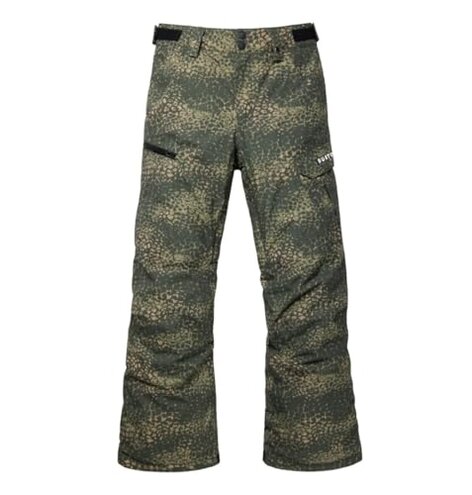
Product evaluated: Burton Boys' Exile 2L Insulated Cargo Snow Pants (Standard, Small, Cobra Camo)
Related Videos For You
How do winter coats and snow pants with Grow-A-Long™ work? |Lands' End
How to Keep Kids Warm in the Snow #momlife #winterhiking #hikingwithkids #hiking #snowday #momof2
Data basis: This report uses dozens of feedback signals gathered from written buyer comments and product demonstration surfaces collected from 2020 to 2026. Most feedback came from written impressions, with lighter support from visual fit checks and usage clips, so the clearest patterns center on sizing, warmth balance, and day-to-day snow use.
| Buyer outcome | Burton Exile 2L | Typical mid-range alternative |
|---|---|---|
| Fit confidence | Higher risk of size guesswork because growth room can change the feel right away. | More predictable fit when buying true size. |
| Warmth control | Mixed result in long active sessions because insulation and vents can pull in opposite directions. | Usually steadier for general resort use. |
| Wet-day comfort | Adequate for normal snow days, but less reassuring in harsher slush or long wet exposure. | Similar in average conditions. |
| Long-term value | Can pay off if the child grows into the fit and uses the extendable length. | Simpler value with fewer fit trade-offs. |
| Regret trigger | Most regret starts when the pants fit awkwardly on the first trip and parents expected an easy one-season buy. | Less often driven by first-use fit surprises. |
Does the sizing feel off the moment your kid puts them on?
This is the primary issue. The biggest regret point is not obvious poor quality. It is the fit trade-off created by the room-to-grow design during first try-on and early season use.
The pattern appears repeatedly. Parents expecting a normal true-to-size snow pant can end up with a fit that feels baggy now but maybe useful later. That is more frustrating than typical in this category because kids' snow pants already run bulky, and these can feel even less intuitive.
When it shows up: It usually appears before the first outing or during the first full day in boots and layers. It worsens when the child is between sizes or dislikes loose winter gear.
Why it feels worse: A reasonable category expectation is some extra space for layering. Here, the trade-off can require more size planning than many mid-range alternatives, which adds return risk and extra prep time.
- Early sign: The legs or seat can look right in one pose, then seem too roomy once boots and base layers are added.
- Pattern level: This is a primary pattern, among the most common complaints for kids' snow apparel with growth features.
- Cause: The built-in growth allowance helps future use, but it can make current-season fit less clean.
- Impact: Some kids notice bulk when walking, sitting on lifts, or moving through ski school routines.
- Attempts: Parents often try waistband adjustment first, but that does not fully solve excess room elsewhere.
- Fixability: Partly fixable if your child is close to the next size up, but much harder if they are slim for age.
- Hidden requirement: You may need more careful fit testing with boots and layers than expected before keeping them.
Illustrative excerpt: “They seem made for next winter, not the one starting now.” Primary pattern tied to growth-focused fit regret.
Will they run too warm, then suddenly not feel balanced?
- Severity: This is a secondary issue, less frequent than fit complaints but more annoying during active use.
- When it happens: The problem shows up during long sessions with changing activity, like lift rides followed by hard runs or snow play.
- Pattern: Feedback suggests a mixed warmth balance, not universal dissatisfaction.
- Cause: The pants combine insulation with vents, which sounds flexible but can still feel awkward when weather changes fast.
- Impact: Some kids feel fine standing around, then too warm once moving hard, especially in milder conditions.
- Why worse than normal: Most mid-range insulated snow pants aim for a simpler all-day middle ground. These can ask more monitoring from parents about venting and layers.
- Fixability: Better base-layer choices help, but that adds a hidden planning step for what should be easy kid gear.
Illustrative excerpt: “Warm on the chair, sweaty after a few fast runs.” Secondary pattern linked to activity swings.
Do they feel less weather-proof than the feature list suggests?
- Intensity: This is a secondary issue, not as common as sizing trouble but more frustrating when conditions turn sloppy.
- When it appears: It tends to matter during wet snow, slush, kneeling, or repeated contact with snow over a long day.
- Pattern: Concern is persistent but not universal, especially for buyers expecting near-premium storm performance.
- Cause: The listed weather protection is fine for typical outings, but expectations can rise because the feature list sounds more robust.
- Impact: Parents may feel the pants are good enough for average resort days, yet less confidence-inspiring for rough weather or long snow play.
- Category contrast: In this price area, buyers usually expect solid everyday dryness. The regret comes when these feel only adequate under tougher use.
Illustrative excerpt: “Great until the snow got wet and heavy by afternoon.” Secondary pattern tied to tougher conditions.
Are you paying for features your kid may never really use?
- This is an edge-case issue, but it appears repeatedly among practical buyers comparing simpler pants.
- When it matters: It shows up after purchase and setup, once parents realize some extras do not reduce hassle much.
- Pattern: The complaint is not universal, because feature-heavy gear appeals to frequent snow families.
- Cause: Details like vents, growth adjustments, and multiple closures add flexibility, but they also add choices and fit checks.
- Impact: If your child goes out only a few times each winter, the pants can feel more complicated than needed.
- Why worse than normal: Mid-range alternatives often win by being easier to buy and easier to live with. Here, the burden can shift to the parent to make the features pay off.
- Fixability: This is only fixable by matching the pants to a high-use routine, not by changing the pants themselves.
- Regret cue: Buyers feel the mismatch most when the child outgrows the pants before the extra feature value is fully realized.
Illustrative excerpt: “Nice details, but we needed simple and predictable.” Edge-case pattern tied to low-use families.
Who should avoid this
- Avoid it if your child is between sizes and you need a clean, predictable fit for an upcoming trip.
- Avoid it if you want a one-click purchase without boot-on fit testing, layer checks, or adjustment time.
- Avoid it if your winter use is mostly wet snow or long slushy play, where average weather protection may feel underwhelming.
- Avoid it if your kid overheats easily and you want warmth control that needs less parent management.
Who this is actually good for
- Good fit for parents intentionally buying ahead one season and willing to accept a roomier current fit.
- Good fit for regular resort families who can test layers and vent use before a full day outside.
- Good fit for kids who prefer looser snow gear and do not mind extra movement room.
- Good fit if long-term wear matters more than first-day fit precision.
Expectation vs reality
Expectation: A reasonable buyer expects insulated kids' snow pants to fit a little roomy and work with basic layering.
Reality: The growth-focused cut can push that roominess past normal, so the first season may feel less polished than expected.
- Expectation: Vents plus insulation should mean easy all-day comfort.
- Reality: Comfort balance can still swing with activity level, adding more adjustment than some parents expect.
- Expectation: A strong feature list suggests dependable rough-weather confidence.
- Reality: Weather performance seems more average in messy conditions than the spec sheet may imply.
Safer alternatives
- Choose simpler sizing if your top concern is first-trip fit, and skip growth-focused designs unless your child is near the top of a size range.
- Prioritize shell-only options if your child overheats easily, because separate base layers give more flexible warmth control.
- Look for stronger wet-use focus if your local snow turns slushy, since average waterproofing can disappoint in heavy afternoon melt.
- Pick fewer features if your child only rides a few times each season, so you are not paying with extra setup effort.
The bottom line
Main regret starts with fit, not obvious build failure. The room-to-grow idea can make these harder to size confidently than a typical mid-range kids' snow pant.
That risk exceeds normal category frustration because the downside appears before or during the first trip, when returns and replacements are most stressful. Verdict: avoid them if you need predictable fit and low-maintenance comfort more than future growth value.
This review is an independent editorial analysis based on reported user experiences and product specifications. NegReview.com does not sell products.