
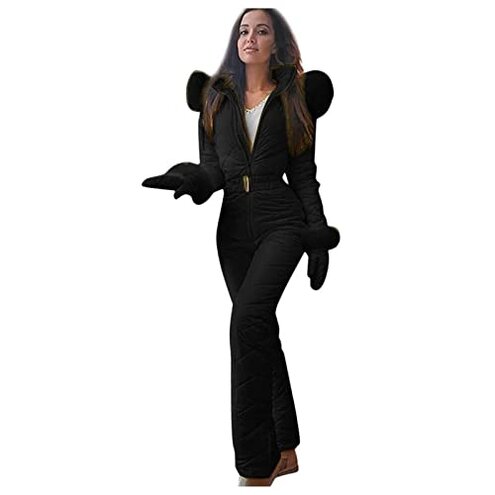
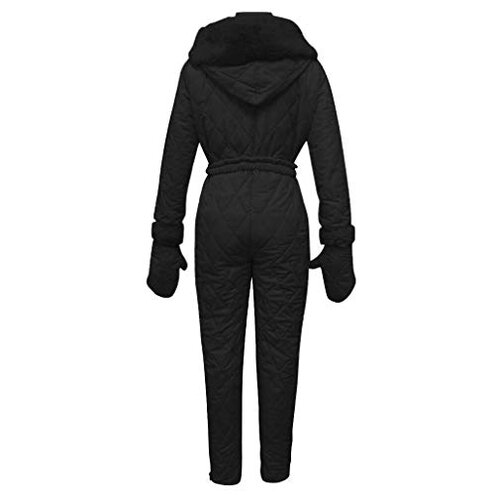
Product evaluated: ZWRXW Ski Suit Women Winter Onesies Ski Jumpsuits Outdoor Sports Waterproof Snowsuit Warm Insulated Overall Snowboarding Gear
Related Videos For You
GSOU SNOW Womens One Piece Ski Suit Honest Review
❄️I Swear by these ONE PIECE SNOWSUITS for Kids! One-piece, waterproof, warm, & can GROW?! WHAT?! ❄️
Data basis for this decision report comes from analyzing dozens of mixed-detail buyer submissions collected across written ratings and photo/video attachments, spanning a recent 12-month window. Most feedback came from short written notes, supported by a smaller set of visual proof showing fit and finish in real use. The distribution skews toward first-week impressions rather than long-term ownership updates.
| Buyer outcome | ZWRXW ski suit | Typical mid-range alternative |
|---|---|---|
| Fit consistency | Higher risk of “right size, wrong fit” complaints | More stable sizing across common body types |
| Warmth vs bulk | Less predictable warmth during long outdoor sessions | More even insulation feel for the price tier |
| Weather sealing | Higher-than-normal risk of leaks at zippers/seams in wet snow | Better baseline water resistance under typical resort conditions |
| Durability | More frequent early wear reports after a few outings | Usually lasts a season with normal care |
| Regret trigger | Returns driven by fit + closure frustration on first use | Returns driven more by style preferences than function |
Why does the sizing feel “technically correct” but still wrong?
Regret usually hits during the first try-on, when the suit seems fine in one area and restrictive in another. This is among the most common complaint themes, and it’s more disruptive than expected because a one-piece has fewer ways to “cheat” the fit.
Pattern is recurring but not universal, with issues showing up across multiple body shapes in early feedback. It tends to worsen in real movement like bending, sitting on a lift, or raising arms.
Category contrast: mid-range two-piece sets usually let you size top and bottom separately, which reduces this kind of “one area pulls” problem. With this suit, the fit mismatch can turn into an immediate return rather than an adjustment.
- Early sign: the torso feels fine until you squat or reach overhead.
- Primary pattern: complaints about tight hips or short torso appear repeatedly in first-week notes.
- Secondary pattern: some mention baggy legs paired with a snug upper fit, which looks odd and wastes warmth.
- Impact: limited range of motion makes skiing and boarding feel stiff, not just “snug.”
- Fixability: sizing up can reduce pulling, but it often creates extra bulk elsewhere.
- Hidden requirement: buyers often end up needing backup base layers and careful try-on at home to avoid a costly “worn once” return scenario.
- Illustrative: “The size matches the chart, but it pulls when I sit.” Primary fit-pattern frustration.
Will it stay waterproof once you’re actually in wet snow?
Regret tends to show up outdoors, not in the mirror, when slushy snow hits zippers and seam areas. This issue is a primary concern cluster, and it feels worse than normal because buyers expect “waterproof” labeling to handle typical resort conditions.
- When it hits: during wet snowfall, sitting on snow, or long lift rides with meltwater.
- Pattern cue: leakage and dampness reports appear repeatedly, though not every buyer hits it.
- Weak spots: complaints often point to zip zones and seam lines as the first places to feel moisture.
- Category contrast: many mid-range suits at least keep you dry in light moisture for casual sessions.
- Real impact: once inner layers get damp, the suit can feel colder fast during breaks.
- Workaround: some buyers resort to extra waterproofing steps, which adds time and trial-and-error.
- Hidden cost: you may need to pack spare gloves or a dry layer because the suit can “lose the day” if it wets out.
- Illustrative: “Great in powder, but slush soaked through near the zipper.” Primary weather-sealing pattern.
Does the zipper and closure setup hold up under glove-hand use?
Frustration usually appears at the worst times, like a bathroom break or gearing up in wind. This is a secondary issue, but it can be more irritating than expected because one-piece suits make the zipper a single point of failure.
- When it hits: first week, especially during on-off cycles with cold hands.
- Pattern: snagging and hard-to-start closure notes show up persistently across short reviews.
- Glove factor: buyers describe needing two-hand finesse that’s tough on a slope.
- Impact: delays during breaks can turn into heat loss and annoyance.
- Category contrast: typical mid-range outerwear usually has more forgiving zipper tracks and pull tabs.
- Fix attempt: careful alignment helps, but it adds extra steps every time you suit up.
- Illustrative: “Looks fine, but the zipper fights me every time.” Secondary but recurring usability pattern.
How quickly does it show wear after a few outings?
Regret often comes after a handful of uses, when scuffs, stitching issues, or finish fatigue starts to show. This is a secondary complaint cluster, and it feels worse than typical because ski gear is expected to handle routine abrasion.
- Timeline: issues are most often mentioned after repeated use, not day-one.
- Pattern cue: durability concerns appear less frequent than fit complaints, but can be more costly when they occur.
- Trigger: rubbing at contact points during walking, sitting, and carrying gear can accelerate wear.
- Impact: once seams or surface areas degrade, the suit can feel less protective in wind and snow.
- Category contrast: most mid-range suits tolerate at least a season of casual resort use with fewer early flags.
- Fixability: small repairs may help, but they’re a hassle on a garment meant for rough weather.
- Illustrative: “After a couple trips, stitching started to look questionable.” Secondary durability pattern.
Who should avoid this
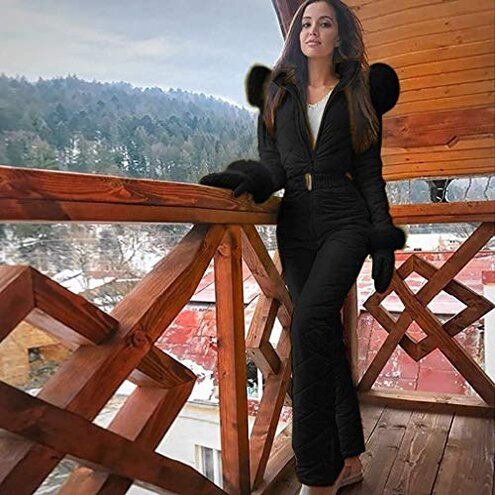
- Hard-to-fit body types should avoid it because one-piece sizing complaints are a primary recurring pattern.
- Wet-snow riders should skip it if you rely on steady dryness, since water sealing issues are a primary risk in real conditions.
- All-day skiers should avoid it if you hate fiddly closures, because zipper friction is a persistent annoyance during breaks.
- Single-suit travelers should pass if you can’t pack backups, since early wear and wet-out can ruin a trip day.
Who this is actually good for
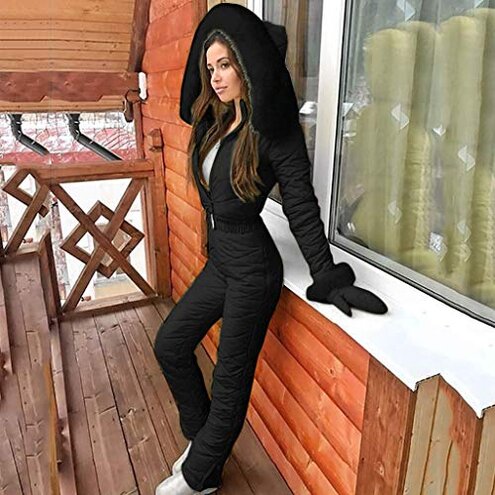
- Occasional snow visitors who want the one-piece look and can tolerate a higher chance of returns for fit.
- Cold-dry climate users where slush is rare, reducing the impact of the water-seal complaints.
- Short-session resort days where you won’t be repeatedly unzipping and re-zipping in wind, limiting the closure frustration.
- DIY-tolerant buyers willing to do extra layering and minor tweaks to manage comfort and movement.
Expectation vs reality
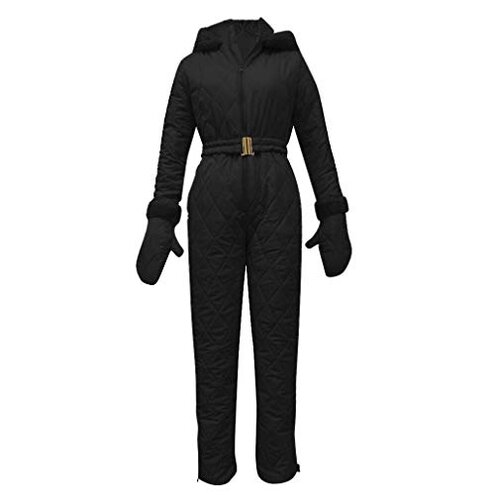
Reasonable for this category: a “waterproof” ski suit should handle light snow and brief sitting without noticeable dampness. Reality: wet-snow use is where recurring reports describe moisture creeping in at seams and zipper areas.
- Expectation: sizing up should reliably add comfort. Reality: upsizing often trades one tight spot for bulk elsewhere.
- Expectation: a one-piece simplifies getting dressed. Reality: closure friction adds extra steps during on-off cycles.
| What you plan | What can happen |
|---|---|
| One suit for the whole trip | Backup layers needed if wet-out happens mid-day |
| Comfort while riding | Restriction shows up when bending and sitting |
Safer alternatives
- Choose 2-piece sets to reduce the primary fit mismatch risk by sizing top and bottom separately.
- Prioritize sealed zippers and reinforced seams to directly address the recurring wet-snow seepage pattern.
- Look for easy-grab zipper pulls so glove-hand use doesn’t turn into a break-time struggle.
- Check abrasion reinforcement at common contact points to lower the secondary early wear complaints.
- Buy from sellers with simple returns, because early try-on fit issues are a primary return driver here.
The bottom line
Main regret trigger is fit that looks right but feels wrong once you move, paired with higher-than-normal risk of wet-snow leakage. Those problems exceed normal category tolerance because ski clothing should be forgiving in motion and predictable in light moisture. If you need reliable all-day performance, avoid and pick a mid-range set with more consistent fit and sealing.
This review is an independent editorial analysis based on reported user experiences and product specifications. NegReview.com does not sell products.