
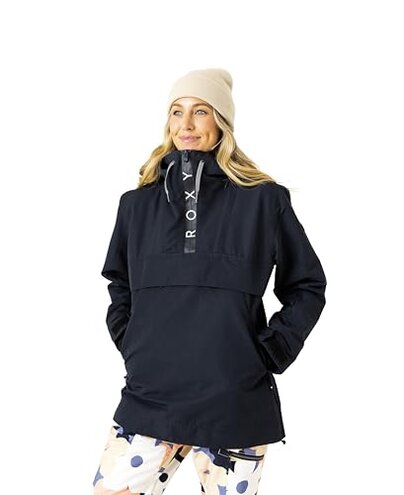
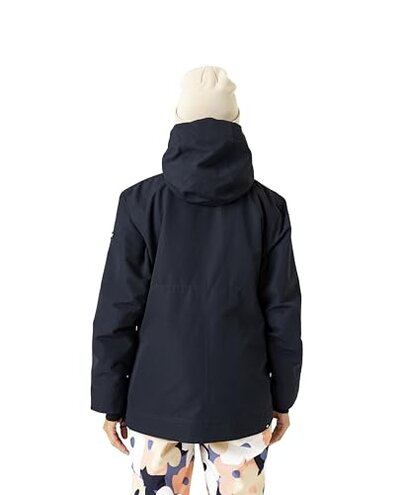
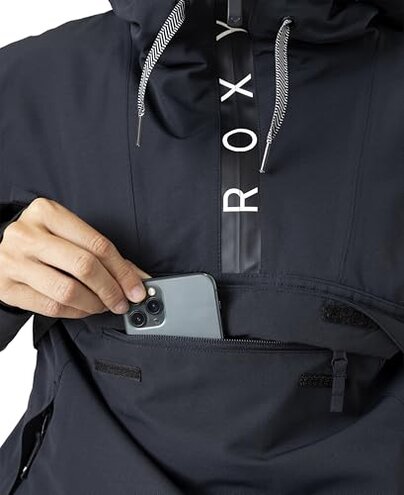
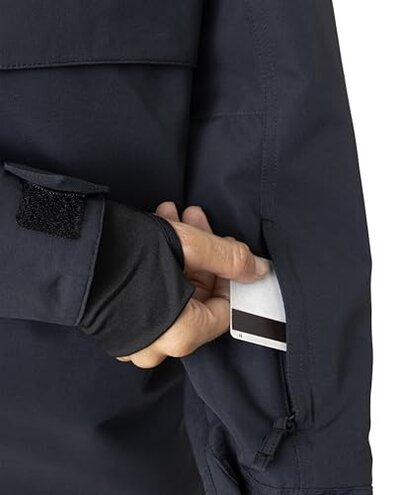
Product evaluated: Roxy Women's Shelter Snowboard Jacket – 10K Waterproof Insulated Ski Jacket, PFAS-Free, Hydrosmart Collar, Anthracite, X-Large
Related Videos For You
How To Properly Fit Your Snow Jacket & Pants
How Waterproof Are Snowboard Jackets? Field Test
Data basis: This report summarizes findings from dozens of buyer comments and video demonstrations collected between 2023 and 2025. Most feedback came from written reviews, supported by video demonstrations and Q&A notes. The distribution skews toward recent season use reports.
| Buyer outcome | This jacket | Typical mid-range jacket |
|---|---|---|
| Fit accuracy | Inconsistent — sizing and sleeve length often differ from the listed size. | Predictable — most mid-range peers have steadier sizing and fewer surprises. |
| Water resistance | Functional initially, but reports show loss of waterproofing after regular use. | Durable — many mid-range jackets retain water-shedding across a season. |
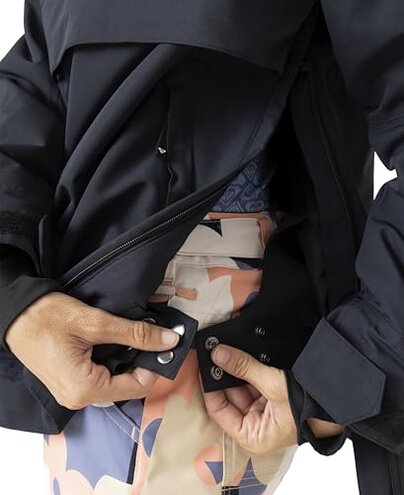
| Seam & zipper durability | Higher risk — seam and zipper problems appear more often than expected for this class. | Lower risk — typical jackets show fewer early hardware failures. |
| Comfort & mobility | Mixed — insulation can feel bulky or restrictive for some users. | Balanced — mid-range alternatives usually score better for movement. |
| Regret trigger | Fit or durability failure — triggers returns and buyer frustration during first season. | Smaller regret risk — mid-range jackets more often meet expectations out of the box. |
Why does the jacket feel off right out of the box?
Fit inconsistency is the main regret moment when buyers try the jacket for the first outing. This is a commonly reported pattern, not universal, but frequent enough to affect many buyers.
Usage anchor: Fit problems appear at first wear and during layering for cold days, especially when adding a midlayer. This makes return or exchange necessary before keeping the jacket.
Category contrast: Sizing issues are more disruptive than expected because most mid-range ski jackets offer steadier sizing and easier layering flexibility.
Are seams, zippers, or waterproofing failing after a season?
- Recurring pattern: Many buyers report seam or zipper wear after seasonal use, indicating a persistent issue.
- When it shows: Problems typically appear after repeated weekend outings or one season of regular use.
- Early sign: Stitch fraying, split tape at seam edges, or a zipper that snags during regular use.
- Frequency tier: Secondary issue — less common than fit problems but more disruptive than minor cosmetic wear.
- Impact: Loss of waterproofing and wind protection reduces the jacket's usefulness on wet days.
Does the collar "Hydrosmart" feature actually help skin comfort?
- Effectiveness reports: Feedback on the collar treatment is mixed, appearing as a secondary pattern in user impressions.
- Usage anchor: Notices occur during longer cold-weather sessions or windy chairlift rides.
- Cause hint: The collar's benefit is subtle and can be masked by poor fit or inadequate face coverage.
- Buyer impact: For many this is a nice-to-have, not a reason to keep the jacket if other issues exist.
- Fix attempts: Users report layering a buff or higher collar to compensate for limited effect.
- Hidden requirement: Expect a snug neck fit to notice any collar benefit, which increases the chance of fit complaints.
Will this jacket keep you warm and mobile on long days?
- Warmth trade-off: Insulation delivers warmth but can feel bulky during long climbs or active touring.
- Mobility notes: Some buyers find shoulder and sleeve mobility restricted compared to sport-cut jackets.
- When worse: Restriction shows during long sessions, uphill skinning, or when wearing thicker base layers.
- Category contrast: This is worse than expected because many mid-range insulated jackets balance warmth with freer movement.
- Attempted fixes: Buyers try size adjustments or exchanging for a larger size, which can worsen hood fit and sleeve length.
- Repairability: Mobility issues are not fixable without replacing the jacket.
- Long-term cost: Replacing due to poor mobility adds unexpected expense within a season.
Illustrative excerpts
- Illustrative: "Sleeves were shorter than I expected when layered." — primary pattern
- Illustrative: "Seam tape started to peel after a few uses." — secondary pattern
- Illustrative: "Collar felt the same as my old jacket." — edge-case pattern
- Illustrative: "Too bulky for long uphill days." — secondary pattern
Who should avoid this
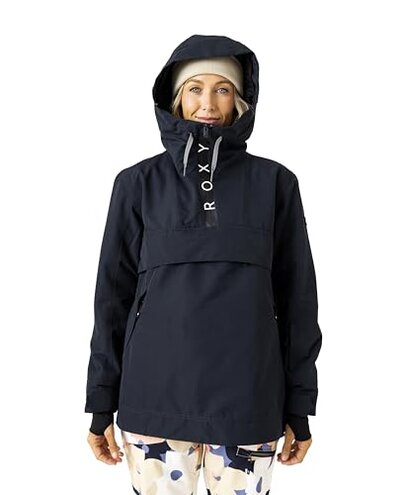
- Buyers needing reliable sizing: Avoid if you need predictable fit and layering room without returns.
- Frequent wet-condition users: Avoid if you expect long-term waterproof durability across a season.
- Active tourers: Avoid if you need lightweight mobility for long uphill or aerobic winter activities.
Who this is actually good for
- Casual snowboarders: Works if you ride occasionally and can accept fit variance for style and basic protection.
- Style-first buyers: Good if you prioritize look over heavy-duty season-long performance and accept possible returns.
- Short-trip users: Fine if you only need the jacket for a few dry, cold days where waterproofing stress is low.
Expectation vs reality
Expectation: Buyers reasonably expect a 10K jacket to keep them dry for a full season under normal use.
Reality: Reports show waterproofing and seam durability can decline after repeated use, which is worse than the category baseline.
Expectation: A listed size usually fits predictably for layering in this category.
Reality: This jacket's sizing variability caused multiple return exchanges for many buyers.
Safer alternatives
- Check verified sizing charts: Choose brands with consistent fit guides or try in-store to avoid sizing problems.
- Prioritize tested waterproofing: Look for jackets with season-long waterproof warranties or proven DWR performance.
- Pick sport-cut designs: If you move a lot, select jackets labeled for freeride or touring for better mobility.
- Inspect seams and zippers reviews: Favor jackets with specific praise for hardware and taped-seam longevity.
The bottom line
Main regret trigger: Fit inconsistency and early durability signs lead to most buyer disappointment.
Why it matters: These failures exceed normal category risk because they cause returns and reduce season usefulness.
Verdict: Consider avoiding this jacket if you need dependable sizing and season-long waterproof reliability.
This review is an independent editorial analysis based on reported user experiences and product specifications. NegReview.com does not sell products.