
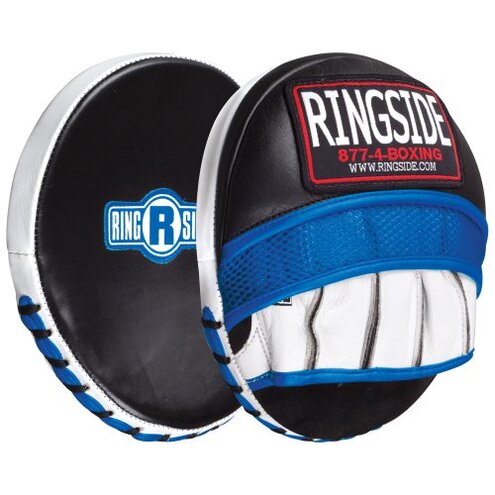
Product evaluated: Ringside Gel Micro Boxing MMA Punch Mitts (Pair) , blue/black, Small
Related Videos For You
The basics of doing Boxing Mitt Work
Hold Focus Mitts the Right Way!
Data basis: I reviewed dozens of buyer reports and demonstrations collected between 2013 and 2025.
Sources: Most feedback came from written customer reviews, supplemented by video demonstrations and photo evidence.
| Outcome | Ringside Gel Mitts | Typical Mid‑Range Mitts |
|---|---|---|
| Durability | Worse-than-expected padding flattening within months reported. | Average mid-range mitts keep shape longer under similar use. |
| Padding retention | Common loss of shock feel after repeated sessions. | More stable padding performance across weeks of use. |
| Fit & grip | Slippage and small sweet spot complaints during sparring. | Better hand coverage and less shifting in typical alternatives. |
| Maintenance | Higher upkeep and quicker replacement needs than peers. | Lower upkeep for comparable mid-range options. |
| Regret trigger | Frequent padding wear that reduces protection and requires early replacement. | Less frequent regret when bought at same price point. |
Does the padding collapse quickly?
Regret moment: The mitts can feel significantly softer and flatter after repeated use, which reduces protection during impact.
Pattern: This is a primary and commonly reported issue that appears after weeks to months of regular training.
Usage anchor: It usually shows up during heavy pad sessions or after daily handling and worsens with long sparring rounds.
Category contrast: This is more disruptive than expected for mid-range mitts because it lowers safety and forces earlier replacement.
Do these slip off or move while holding?
- Early sign: Noticeable slippage on fast mitt changes or sweaty hands.
- Frequency tier: This is a secondary complaint seen across many buyer reports but not universal.
- Cause: Small internal fit and thin entry opening cause hand movement under load.
- Impact: Slippage interrupts drills and raises safety concerns in partner work.
- Fix attempts: Buyers commonly add tape or glove inserts which adds setup time and reduces convenience.
Is the mitt lifespan shorter than expected?
- Hidden cost: Many users report early replacement needs that are not obvious at purchase.
- When it shows: Lifespan shortens after months of regular weekly sessions.
- Cause detail: Gel layer compression and surface wear both contribute to accelerated failure.
- Repairability: Repairs are rarely feasible and buyers replace rather than fix.
- Category contrast: This requires more upkeep than typical mid-range alternatives and raises long-term cost.
- Workaround: Some buyers buy cheaper backups to rotate, which increases total expense.
Are these protective enough for hard hitters?
- Protection gap: The small striking surface can feel less forgiving for heavy, repetitive shots.
- Frequency tier: This is a secondary but recurring complaint among stronger users.
- Early sign: Users notice sharp impact feedback earlier than with larger pads.
- Impact on training: Heavier trainers report stiffer mitt-to-hand feedback that hurts during long drills.
- Cause: Compact size and gel compression reduce shock distribution.
- Attempts: Some add extra hand wraps or thicker gloves which change feel and timing.
- Fixability: Improvement typically means buying larger or thicker mitts, not repairing these.
Illustrative excerpts
Excerpt 1: "Gel felt flat after a month of regular sparring, softer and less protective." — Primary pattern.
Excerpt 2: "Hands slid during combinations; had to add tape to keep them on." — Secondary pattern.
Excerpt 3: "Worked fine for light drills but hurt with heavy hitters after weeks." — Secondary pattern.
Excerpt 4: "Replaced two pairs sooner than expected, extra cost added up quickly." — Edge-case pattern.
Who should avoid this
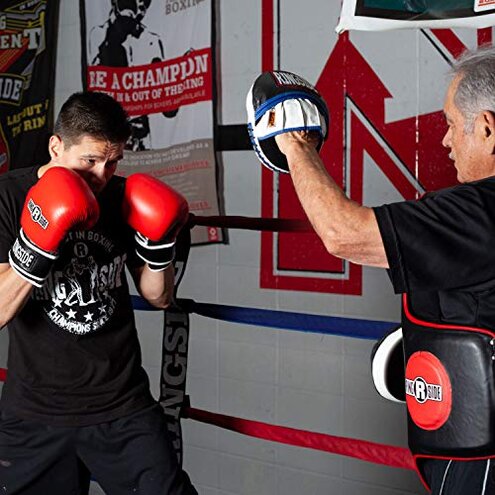
- Heavy hitters: Avoid if you need durable padding for hard, daily sparring.
- Club coaches: Avoid if you require long-lasting gear for multiple athletes per day.
- Low-maintenance buyers: Avoid if you dislike extra repairs or rotating backups.
Who this is actually good for
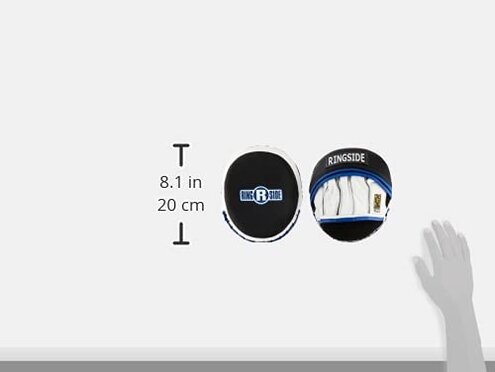
- Light trainers: Good for occasional pad work where the compact size and lower cost are acceptable.
- Skill drills: Works for footwork and accuracy drills where heavy impact is limited.
- Tight budgets: Fits buyers who accept shorter lifespan to save upfront costs.
Expectation vs reality
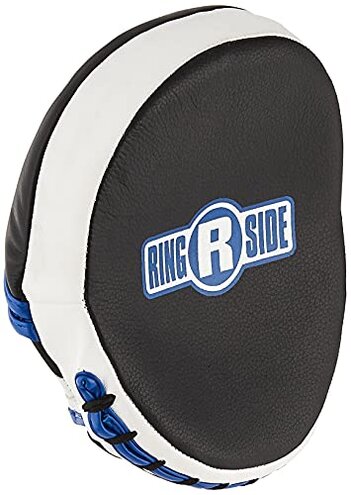
Expectation: Reasonable for this category is mitts that keep shape through months of regular use.
Reality: These mitts often lose shock response within weeks to months, which is worse than the mid-range baseline.
Expectation: Buyers expect a stable fit out of the box.
Reality: Many users report early slippage that requires modification or added accessories.
Safer alternatives
- Choose thicker padding: Look for mitts labeled with thicker shock layers to neutralize padding collapse.
- Prioritize fit: Prefer mitts with adjustable straps or a deeper hand pocket to reduce slippage.
- Check user longevity: Seek sellers whose buyers repeatedly note months of stable padding performance to avoid early replacements.
- Rotate gear: If buying these, plan to rotate pairs to lengthen usable life and avoid downtime.
The bottom line
Main regret: The primary issue is padding wear that reduces protection and raises replacement costs.
Why worse: This product shows higher-than-normal durability and fit risks compared with typical mid-range mitts.
Verdict: Avoid if you need long-lasting, high-impact training gear; consider alternatives with thicker padding and better fit.
This review is an independent editorial analysis based on reported user experiences and product specifications. NegReview.com does not sell products.