
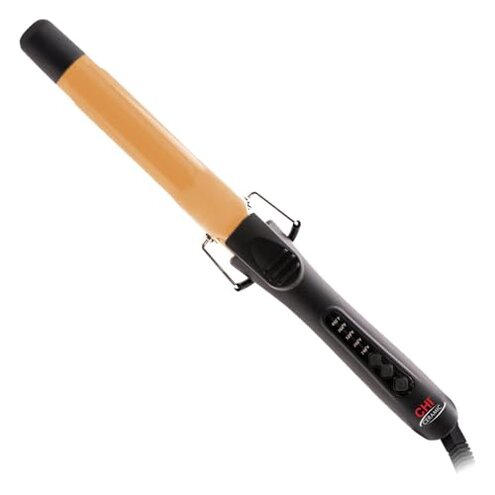
Product evaluated: CHI Ceramic Curling Iron, Hair Curler for Smooth & Shiny Curls, Adjustable Temperature & Automatic Shut-Off, 1" Barrel, Black
Related Videos For You
How to Use a Curling Wand for Beginners! (In depth)
HOW TO CURL YOUR HAIR WITH A CLAMP CURLING IRON: Curling 101
Data basis: This report combines dozens of buyer comments collected from written feedback and short video-style demonstrations between 2019 and 2026. Most feedback came from written impressions, with added context from visual use clips and update-style follow-ups that showed how the iron behaved during first use and longer ownership.
| Buyer outcome | CHI iron | Typical mid-range alternative |
|---|---|---|
| Heat consistency | Less predictable during daily styling, which can mean uneven curl results. | More even heat is the usual expectation in this price range. |
| Ease of use | Less forgiving if you are still learning clamp timing and section size. | Usually simpler for quick, repeatable curls. |
| Hair finish | Mixed results, with smooth curls for some and drag or dryness for others. | More consistent shine and glide are common at mid-range. |
| Reliability risk | Higher-than-normal chance of frustration if performance changes after repeated use. | Lower risk of early regret in normal home use. |
| Regret trigger | Paying mid-range money but still needing extra passes, extra care, or replacement. | Buying once and getting predictable styling with less effort. |
Why are my curls coming out uneven or falling faster than expected?
This is a primary issue. The regret moment shows up during normal morning styling, when one section holds and the next drops faster. That trade-off feels worse because a 1-inch iron at this price should be more repeatable from side to side.
The pattern appears repeatedly. It is not universal, but it shows up often enough that buyers mention changing section size, hold time, or temperature just to get a usable result.
During daily use, the problem tends to show up most on thicker hair, longer hair, or when trying to finish quickly. Compared with typical mid-range irons, this asks for more trial and error than many buyers expect.
- Early sign: The first curl looks fine, but later sections need extra passes to match.
- Frequency tier: This is among the most common complaints in the negative feedback mix.
- Usage moment: It often shows up after setup, once you move from a test strand to full-head styling.
- Impact: You may spend extra time redoing pieces that should have set on the first try.
- Buyer workaround: Many try smaller sections or longer hold times, which adds effort and can increase heat exposure.
Illustrative excerpt: “One side curled nicely, the other side dropped before I left.” Pattern: This reflects a primary complaint.
Does the clamp make styling harder than it should?
- Primary friction: A recurring complaint is that the clamp feels awkward during regular home styling.
- When it happens: It tends to show up on first use and again during rushed weekday sessions.
- What buyers notice: Hair can feel like it is catching or not wrapping as smoothly as expected.
- Why it frustrates more: A mid-range curling iron should be easy to control, not something you have to relearn each session.
- Who feels it most: Buyers with layered hair or those switching from a wand often report more handling trouble.
- Time cost: The awkward clamp can turn a fast touch-up into a longer routine.
- Fixability: Technique can help, but this is less fixable if the grip style already feels wrong in your hand.
Illustrative excerpt: “I kept adjusting my grip more than actually curling my hair.” Pattern: This reflects a secondary complaint.
Why does it feel rougher on hair than expected?
This is a secondary issue. The regret usually appears during repeated styling, when hair looks decent at first but feels less smooth after several sections. That trade-off matters because the product promise centers on a sleek finish.
The pattern is persistent, not universal. It shows up more often in comments from buyers with dry, color-treated, or easily snagged hair.
- Context: The issue tends to appear during longer sessions when the barrel is used across the whole head.
- Category contrast: Some dryness is category-normal, but this can feel more noticeable than typical if you expected easy glide.
- User impact: Buyers describe needing extra product afterward to soften the finish.
- Hidden requirement: It may work better only if you already use careful prep, smaller sections, and lighter passes.
Illustrative excerpt: “My curls looked okay, but my ends felt rough afterward.” Pattern: This reflects a secondary complaint.
Could it stop feeling dependable after repeated use?
- Edge-case risk: Reliability complaints are less frequent than heat inconsistency, but more frustrating when they happen.
- When it shows up: The concern usually appears after repeated use, not always right out of the box.
- What changes: Buyers describe performance becoming less dependable, whether through heating behavior or general confidence in the tool.
- Why this hits harder: In this category, buyers reasonably expect a curling iron to stay stable over time with normal home handling.
- Real cost: If trust drops, you may keep a backup tool or start shopping for a replacement sooner than planned.
- Scope signal: This issue is seen across multiple feedback types, even if it is not the dominant complaint.
- Practical mitigation: This risk matters less if you style occasionally rather than every day.
- Bottom impact: It is an edge-case issue, but it creates strong regret because the product is no longer dependable.
Illustrative excerpt: “It worked fine early on, then stopped feeling consistent.” Pattern: This reflects an edge-case complaint.
Who should avoid this
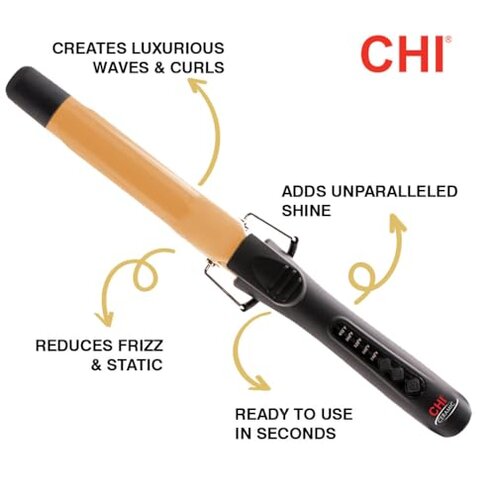
- Avoid it if you want fast, repeatable curls before work, because uneven results are a primary complaint during normal daily styling.
- Skip it if you dislike learning-tool friction, since the clamp and handling feel less forgiving than many mid-range alternatives.
- Pass on it if your hair is dry, damaged, or snags easily, because rougher-than-expected styling shows up repeatedly in that context.
- Look elsewhere if you need long-term confidence from one iron, since reliability concerns are less common but more disruptive than expected.
Who this is actually good for
- It can fit buyers who style only occasionally and can tolerate some inconsistency in exchange for a familiar clamp-style iron.
- It may suit someone who already knows how to adjust section size and timing, because that reduces the main heat-result complaint.
- It works better for shoppers willing to do careful prep and slower passes, especially if smoothness is not their top priority.
- It can make sense if automatic shut-off matters to you more than perfect curl consistency.
Expectation vs reality
- Expectation: A reasonable category expectation is even curls with little experimentation.
- Reality: Buyers repeatedly describe needing extra adjustment in temperature, timing, or section size.
- Expectation: Mid-range irons should feel easy to guide through hair.
- Reality: The clamp and handling can feel less natural than expected, especially in rushed use.
- Expectation: A smooth-finish curler should leave hair feeling polished.
- Reality: Some buyers get decent shape but still notice rougher ends or added dryness.
Safer alternatives
- Choose adjustable control with a strong reputation for even heating if your main worry is curls dropping unevenly across sections.
- Prioritize clamp comfort or consider a wand if you often struggle with hand position and rushed styling.
- Look for glide-focused feedback if your hair is color-treated or tangles easily, because that directly reduces the rough-finish risk.
- Favor reliability history over brand familiarity if you need one tool for frequent weekly use.
- Buy from easy-return sellers when a tool has mixed consistency feedback, so you are not stuck testing around its limits.
The bottom line
Main regret trigger: Buyers expect easy, even curls, but the most repeated complaints point to inconsistent results and a less-forgiving user experience. That exceeds normal category risk because mid-range curling irons are usually judged on repeatability first. Verdict: Avoid this if you want dependable, low-effort styling; it makes more sense only for occasional users who can tolerate technique sensitivity.
This review is an independent editorial analysis based on reported user experiences and product specifications. NegReview.com does not sell products.