
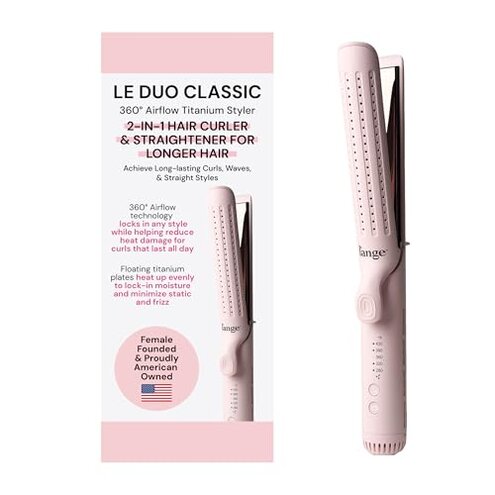
Product evaluated: L'ANGE HAIR Le Duo Grande 360° Airflow Styler | 2-in-1 Curling Wand & Titanium Flat Iron Professional Hair Straightener and Curler with Cooling Air Vents to Lock in Style (Blush)
Related Videos For You
Philips 2-in-1 Airstyler
Dyson Airwrap™️ Tutorial: How to get started with your Dyson Airwrap™ multi-styler and dryer
Data basis: This report is based on hundreds of buyer comments collected from written feedback and video-style demonstrations between 2023 and 2026. Most feedback came from written experiences, with added support from visual use clips that showed daily styling results, handling problems, and setup friction over repeated use.
| Buyer outcome | Le Duo Grande | Typical mid-range alternative |
|---|---|---|
| Learning curve | Higher setup and hand-position effort before results look consistent | Moderate adjustment period, usually easier to grasp quickly |
| One-pass results | Mixed results during daily use, especially when switching between curl and straight styles | More predictable performance for one main task |
| Styling speed | Slower for some users because the technique adds extra steps | Faster when the tool has a simpler single purpose |
| Category risk | Above normal frustration risk for a mid-range hair styler because versatility depends heavily on technique | Normal risk if expectations match the tool type |
| Regret trigger | Buying it for convenience and then needing practice to avoid awkward results | Buying for one job and getting what you expected |
Why does styling take longer than expected?
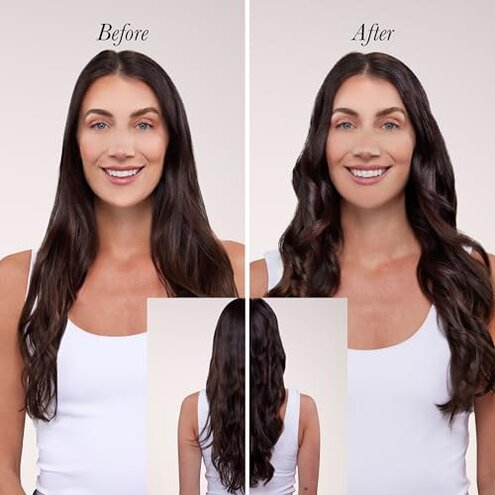
This is a primary issue. A recurring complaint is that the tool promises quick versatility, but the regret moment happens during the first few sessions when styling takes extra passes and extra repositioning.
During daily use, this feels more disruptive than expected for this category because many mid-range tools are simpler even if they are less flexible.
- Pattern: This appears repeatedly across feedback, though it is not universal for experienced stylers.
- When: It shows up on first use and often continues when switching between straightening and curling in the same session.
- Why: The 2-in-1 design creates a hidden requirement that buyers must learn a specific angle and motion.
- Impact: Styling can take extra time, especially if you expected a simple clamp-and-go tool.
- Early sign: If your first sections look fine but the next ones look uneven, technique sensitivity is likely the issue.
- Attempts: Buyers commonly try smaller sections and slower passes to improve consistency.
- Fixability: This is partly fixable with practice, but that trade-off defeats the convenience pitch for some shoppers.
Illustrative excerpt: “I bought fast styling, but it needs a whole method.” Primary pattern because it matches the main convenience complaint.
Why do curls or straight results look inconsistent?
This is another primary issue. A persistent pattern is uneven results, where one section looks polished and the next looks loose, flat, or oddly bent.
During longer sessions, the frustration grows because repeating passes adds time and more heat exposure. Compared with a typical mid-range straightener or curler, this feels less forgiving when your technique is not precise.
- Frequency tier: A primary complaint in aggregated feedback, especially among buyers expecting easy salon-like results.
- Usage moment: It appears mid-session when moving around the head or changing hand position.
- Visible effect: Hair can look partly styled instead of uniformly sleek or evenly curled.
- Worsens when: It tends to feel worse on longer or thicker hair because more sections must match.
- Trade-off: The airflow idea sounds helpful, but buyers still report mixed hold or shape consistency.
- Category contrast: That is worse than normal for a mid-range tool marketed around all-in-one convenience.
- Mitigation: Careful sectioning and slower movement can help, but extra effort is the real cost.
Illustrative excerpt: “One side looked smooth, the other side looked oddly bent.” Primary pattern because it reflects consistency complaints seen across use cases.
Why does it feel bulky or awkward in the hand?
This is a secondary issue. It is less frequent than the learning-curve complaints, but more frustrating when it occurs because handling comfort affects every styling session.
After setup, buyers notice the size and feel during wrist rotation, clamping, and reaching the back sections. Compared with simpler mid-range tools, this can feel more tiring because the shape asks for more controlled movements.
- Scope: This issue is commonly reported in feedback focused on comfort and maneuvering.
- When: It shows up during full-head styling, not just quick touch-ups.
- Condition: It feels worse in long sessions or when creating curls that need repeated wrist turns.
- Buyer impact: Awkward handling can lead to slower progress and less confidence around face-framing pieces.
- Hidden requirement: Buyers may need more grip control than expected for a tool sold as easy to use.
- Fixability: Some adapt over time, but others never find it comfortable enough for regular use.
Illustrative excerpt: “It works better when I fight with it less.” Secondary pattern because comfort complaints are common but not dominant.
Why does the all-in-one idea sound better than the real experience?
This is a secondary-to-primary regret trigger. The persistent problem is not that it cannot style hair at all. The issue is that the convenience benefit is often smaller than buyers expected.
- Expectation gap: Buyers often expect one tool simplicity, but daily use can feel like managing a compromise.
- When noticed: The gap becomes clear after several uses, once the novelty wears off.
- Relative severity: This is more disruptive than expected for this category because hybrid tools should reduce clutter without adding hassle.
- Practical result: Some end up using it for only one function, which weakens the reason to buy a combo tool.
- Buyer regret: If you already own a decent straightener or curler, the upgrade can feel redundant rather than simplifying.
- Less universal: This is not universal, but it appears persistently among buyers who wanted true shortcut convenience.
- Mitigation: It fits better if you accept practice time as part of ownership.
Illustrative excerpt: “Nice idea, but I still reach for my old tool.” Secondary pattern because it captures the combo-tool disappointment theme.
Who should avoid this
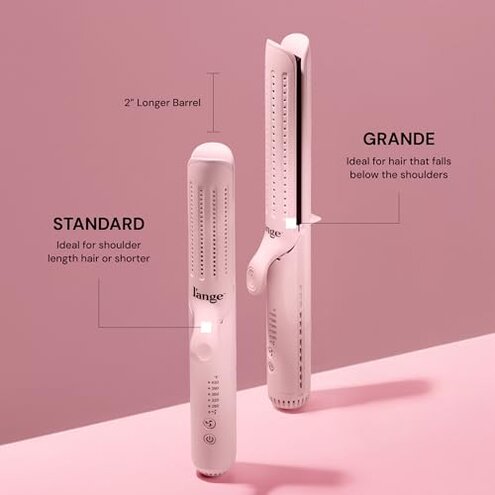
- Avoid it if you want a tool that feels intuitive on the first try, because the learning curve is higher than many mid-range alternatives.
- Skip it if you need fast, repeatable results before work or events, since inconsistent sections add time and redo effort.
- Pass on it if hand comfort matters a lot, because the shape can feel awkward during longer styling sessions.
- Not ideal if you already own one good curler or one good flat iron, because the combo benefit may not exceed the compromise.
Who this is actually good for
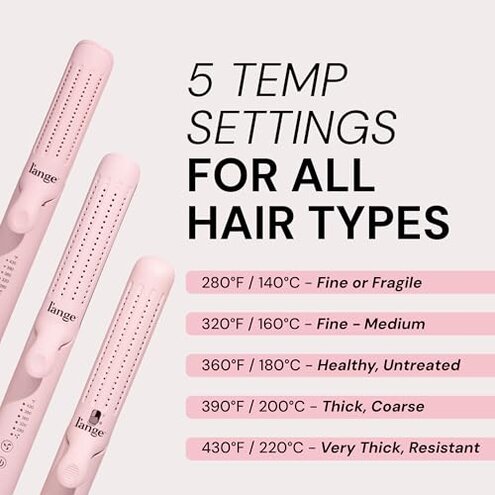
- Good fit for buyers who enjoy learning technique and do not mind a few practice sessions to get better results.
- Better fit for people who want one tool for occasional travel or storage savings and can tolerate slower styling.
- Works better for users mainly interested in one function first, then treating the second function as a bonus.
- Reasonable choice if you are patient with sectioning and can accept that convenience may come after a learning period.
Expectation vs reality
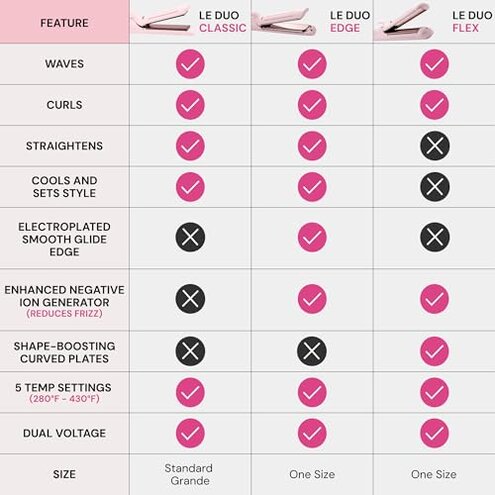
Expectation: A reasonable hope for this category is quick all-in-one styling with only a small adjustment period.
Reality: Feedback patterns show a larger technique burden than many buyers expect, especially when chasing consistent curls and straight sections.
Expectation: The cooling airflow suggests easier style locking with less fuss.
Reality: Buyers still commonly report mixed consistency, so the airflow does not erase technique sensitivity.
Expectation: A combo tool should reduce clutter and save time.
Reality: For some users, it creates extra steps and becomes a one-purpose tool instead.
Safer alternatives
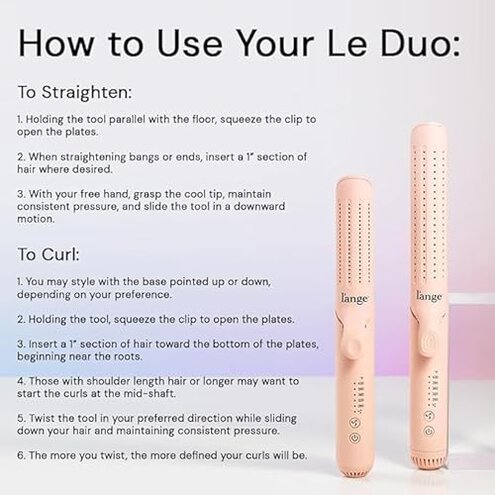
- Choose a single-purpose tool if your main goal is reliability, because that directly avoids the hidden technique burden of a hybrid styler.
- Prioritize easy grip designs if wrist comfort matters, which helps neutralize the awkward handling issue during full-head styling.
- Look for tools known for consistent first-pass results if you style before work, reducing the redo problem seen here.
- Buy for one main hairstyle instead of every hairstyle, which prevents regret from paying for versatility you may not use well.
The bottom line
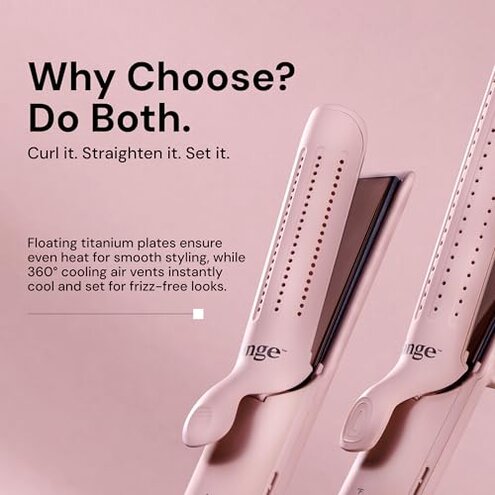
Main regret trigger: Buyers often choose this for convenience and then discover that good results depend heavily on technique, grip, and patience. That risk runs higher than normal for a mid-range styling tool because the all-in-one promise can add effort instead of removing it. Verdict: Avoid it if you want easy, consistent styling right away, and consider it only if you accept a real practice curve.
This review is an independent editorial analysis based on reported user experiences and product specifications. NegReview.com does not sell products.