
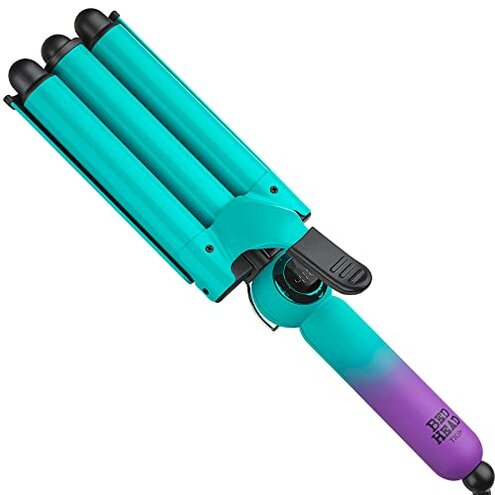
Product evaluated: Bed Head Wave Affair Jumbo 3 Barrel Hair Waver | Quick Styling, Serious Hold, & Less Heat Damage | Heat Protectant Glove Included for Easy, Custom Styling
Related Videos For You
How I Wave My Hair: Effortless Waves Hair Waver Tutorial! How To Crimp / Wave Your Hair | Faith Drew
Do Heat Wavers REALLY Work? | Which of these 5 Hair Wavers is BEST?
Data basis: This report summarizes hundreds of buyer comments collected from written feedback and video-style demonstrations between 2021 and 2026. Most input came from detailed written experiences, with shorter visual walkthroughs helping confirm how the waver behaves during first use and longer styling sessions.
| Buyer outcome | Bed Head Wave Affair | Typical mid-range alternative |
|---|---|---|
| Speed | Fast start for broad sections, but slower if you redo missed or uneven areas. | Steadier pace, usually with less reworking once technique is learned. |
| Wave consistency | Mixed results appear repeatedly, especially on layered hair or rushed passes. | More forgiving across different sections and angles. |
| Heat comfort | Higher risk of awkward handling during longer sessions than normal for this category. | Moderate risk, but usually easier to maneuver near roots and ends. |
| Hold through the day | Unpredictable for some buyers, with waves loosening faster than expected. | More reliable hold when used with similar prep products. |
| Regret trigger | Looks quick, then adds time because you need practice, section control, and touch-ups. | Less often a regret trigger because results are more repeatable. |
Why did my waves look bulky or uneven instead of soft?
This is a primary issue. The regret moment usually shows up during the first few uses, when buyers expect easy beach waves and get a more stamped pattern instead. That trade-off feels more disruptive than expected because a 3-barrel tool is supposed to simplify styling, not make you babysit each section.
The pattern appears repeatedly. It tends to worsen on layered hair, shorter front pieces, or when you move too fast down the length. Compared with a typical mid-range waver, this one seems less forgiving about section size and angle.
Illustrative: “It made dents more than waves unless I was extremely careful.” Primary pattern because shape consistency is among the most common complaints.
Illustrative: “The back looked different from the front every single time.” Secondary pattern because placement control problems show up often during self-styling.
Why did styling take longer than the product promise suggests?
- Pattern: This is a primary issue, with recurring complaints that “quick styling” only happens after a learning curve.
- When: The problem usually appears on first use and still shows up during regular use if you have thick, long, or layered hair.
- Why worse: A tool in this category should save steps, but this one often needs extra sectioning and careful matching to avoid visible breaks.
- Impact: Buyers commonly report redo time from missed ends, uneven clamping, or having to rewave flat spots.
- Hidden requirement: You may need smaller sections than expected for clean waves, which cuts into the speed advantage.
- Attempts: Slower passes and more heat can help shape, but they also add time and handling fatigue.
- Fixability: It is partly fixable with practice, but that still undercuts the easy-use promise.
Why didn’t the waves last as long as I expected?
- Pattern: This is a secondary issue, less frequent than uneven shape but more frustrating when it happens after a full styling session.
- When: It usually shows up during daily wear, especially if hair is fine, resistant, or exposed to humidity.
- What buyers notice: The hair looks good right after styling, then drops early compared with the effort used to create it.
- Category contrast: Some fade is normal for wavers, but this feels worse than expected because the tool reaches high heat and is marketed for serious hold.
- Trade-off: Raising heat may improve hold for some users, but it can also mean more dryness concern and slower, more careful use.
- Fixability: Prep products can help, yet that creates a dependency many shoppers did not expect from a simple hot tool.
Illustrative: “The waves were cute for photos, then mostly gone by dinner.” Secondary pattern because hold complaints are persistent but not universal.
Why did this feel awkward or risky to handle?
- Pattern: This is a secondary issue that appears across multiple feedback types, especially during solo styling.
- When: It shows up during longer sessions, near the scalp, or while trying to reach the back evenly.
- Early sign: Buyers notice bulk and weight sooner than expected once they start rotating the tool around the head.
- Why worse: Heat tools always need care, but this feels less nimble than many mid-range alternatives because the barrel layout takes more space.
- Impact: The awkward hold can lead to hesitation, slower styling, or fear of touching skin around the hairline.
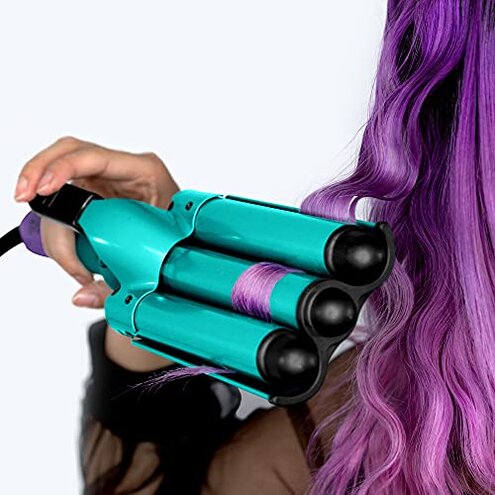
- Included glove: The glove helps, but repeated comments suggest it is not a full solution for balance and reach.
- Fixability: Better positioning reduces risk, though that means practice and patience just to feel comfortable.
- Frequency tier: Not universal, but it remains a persistent complaint because handling comfort matters every use.
Illustrative: “I spent more time avoiding burns than actually styling.” Primary pattern because handling awkwardness strongly affects real-world ease.
Who should avoid this
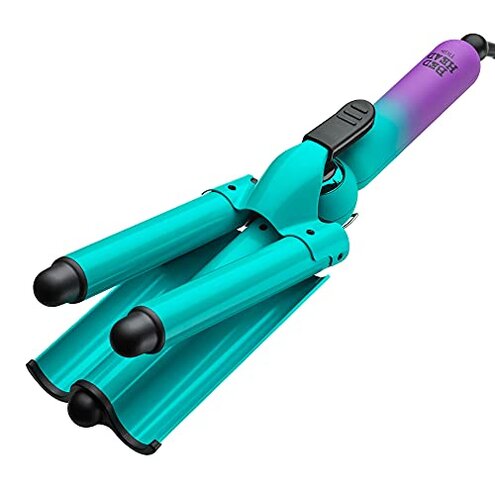
- Avoid it if you want consistent waves fast without practice, because uneven shape and touch-ups are among the most common regrets.
- Skip it if you style the back of your hair alone, since bulk and angle control feel less forgiving than typical mid-range tools.
- Pass if your hair tends to drop styles quickly, because this tool’s hold is not reliable enough to justify the extra effort.
- Look elsewhere if you dislike hidden routine steps, such as tighter sectioning, repeated passes, and extra prep for better staying power.
Who this is actually good for
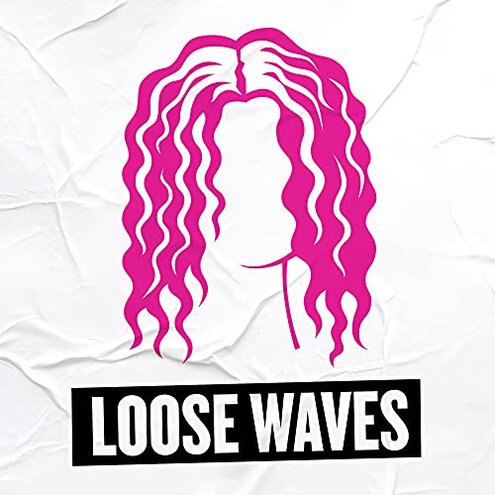
- It fits buyers who want a defined wave pattern and are willing to practice section size to control the final look.
- It suits someone with medium-to-long hair who accepts occasional touch-ups in exchange for wide-barrel coverage.
- It can work for shoppers who already use styling products and do not mind that hold may depend on prep.
- It makes sense if you value high heat options and can tolerate a bulkier tool to chase stronger definition.
Expectation vs reality
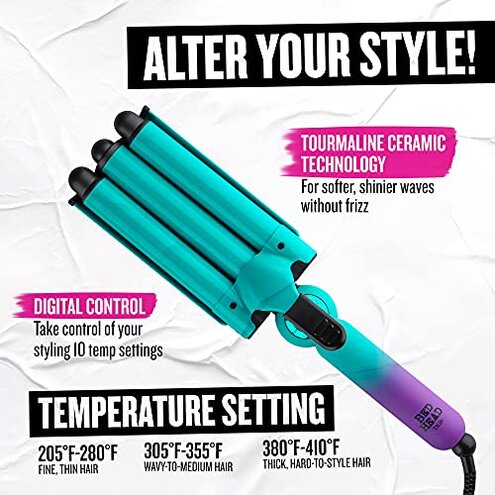
Expectation: A jumbo 3-barrel waver should give quick, repeatable waves with less effort than a standard iron.
Reality: A recurring complaint is speed loss from careful sectioning and redoing uneven areas.
Expectation: It is reasonable for this category to need some technique, but not much babysitting once you start.
Reality: Buyers commonly describe a steeper learning curve than expected for a tool marketed around easy custom styling.
Expectation: Higher heat settings should help create longer-lasting shape.
Reality: For a persistent group of users, the result is more effort without matching hold.
Safer alternatives
- Choose a waver known for lighter handling if your main concern is wrist fatigue or awkward reach around the scalp.
- Prioritize models with a reputation for forgiving section size if you do not want a strict learning curve.
- Look for tools praised for consistent hold on fine hair if your styles usually fall early.
- Consider a smaller-barrel option if you want more control near the front and less risk of bulky, stamped waves.
- Shop for clear user guidance on heat matching if you want fewer trial-and-error sessions.
The bottom line
The main regret trigger is simple: this tool often looks faster and easier than it feels during real styling. The bigger problem is not one isolated flaw, but a combination of uneven results, extra touch-ups, and awkward handling that exceeds normal mid-range waver hassle. If you want low-effort, dependable waves, this is a product many cautious shoppers should avoid.
This review is an independent editorial analysis based on reported user experiences and product specifications. NegReview.com does not sell products.