

Product evaluated: Angie Watts FACE. Deep Cleansing Oil, 4oz - All Natural and Organic Ingredients | 100% Vegan | Soap-free | With Organic Hempseed and Tamanu Oil
Related Videos For You
ESTHETICIAN APPROVED: OIL CLEANSING GUIDE FOR ALL SKIN TYPES | ACNE, OILY, DRY, COMBO
Data basis for this report comes from dozens of buyer comments collected from written feedback and short video-style impressions between 2020 and 2026. Most feedback came from written reviews, with added context from demonstration-based posts that showed texture, removal steps, and skin-after-use results.
| Buyer outcome | This product | Typical mid-range alternative |
| Makeup removal | Mixed; can work well, but repeated feedback points to extra rubbing on heavier makeup. | More consistent; usually removes daily makeup with fewer passes. |
| Rinse-off feel | Higher upkeep; commonly needs a cloth or second cleanse to avoid leftover film. | Lower effort; many mid-range cleansing oils rinse cleaner. |
| Sensitive-skin risk | Less predictable; recurring feedback mentions skin not liking it despite the gentle positioning. | Moderate risk; still possible, but usually less surprising when marketed clearly. |
| Daily routine fit | More disruptive; hidden technique matters more than expected for this category. | More forgiving; easier to use without a learning curve. |
| Regret trigger | Paying premium-level price for a cleanser that may add steps, residue, or skin uncertainty. | Usually regret comes later, not from the first week of use. |
Do you want a cleanser that feels simple, but turns into extra cleanup?
This is among the most common complaints. The regret moment shows up during nightly washing, when buyers expect one easy cleanse but end up needing a cloth, more rinsing, or a second cleanser.
The pattern appears repeatedly and is not universal. What makes it worse than normal is that cleansing oils usually save time, while this one can add time if you dislike any leftover slip.
When it happens, it is usually after massaging in the oil and trying to rinse with water alone. It tends to feel worse if you use sunscreen, fuller makeup, or prefer a very clean, non-coated finish.
Category baseline matters here. Most mid-range options are more forgiving about rinse-off, so this can feel higher-maintenance than buyers expect from a basic face cleanser.
- Early sign: your skin feels clean enough, but not fully rinsed, right after the first wash.
- Frequency tier: this is a primary issue and shows up across multiple feedback types.
- Likely cause: the formula leaves a more noticeable oil finish than many buyers expect during daily use.
- Impact: it can make nighttime cleansing feel slower and messier than a typical mid-range alternative.
- Fixability: a warm damp cloth or second cleanse can help, but that creates a hidden requirement.
Does it struggle more than expected with stubborn makeup?
Buyers notice this frustration at the sink, especially on eye makeup or long-wear products. It is less frequent than rinse-off complaints, but more frustrating when it occurs because removal is the main job.
- Pattern: this is a secondary issue that appears repeatedly, not a one-off complaint.
- Usage moment: it shows up on first use if you test it against mascara, concealer, or water-resistant sunscreen.
- What worsens it: heavier makeup and quick cleansing make the problem more visible.
- User-visible effect: some buyers report needing extra rubbing or a repeat pass.
- Why that matters: more rubbing around the eyes feels worse than expected for this category.
- Category contrast: a reasonable cleansing oil should loosen daily makeup with less effort than many buyers describe here.
- Mitigation: letting it sit briefly can help, but that again adds time to a product sold as easy.
Illustrative excerpt: “I still had to go back in for my mascara.” Secondary pattern, reflecting repeated removal-effort complaints.
Is the gentle-skin promise less reliable than it sounds?
- Severity: this is a secondary issue, but it carries outsized regret because buyers often choose it for a gentle routine.
- Pattern: sensitivity concerns are persistent rather than universal, and show up across different skin-type descriptions.
- When it appears: some notice trouble on first use, while others report it after repeated daily use.
- What buyers notice: irritation, discomfort, or skin feeling off instead of calm.
- Why it feels worse: a product positioned for broad skin tolerance creates more disappointment when skin reacts badly.
- Category baseline: no cleanser works for everyone, but the mismatch feels sharper here because expectations are set very high.
- Practical limit: if your skin barrier is already touchy, trial-and-error at this price can feel expensive.
- Mitigation: patch testing lowers risk, though many buyers expect a facial cleanser to be less uncertain.
Illustrative excerpt: “My skin did not love it the way I expected.” Secondary pattern, reflecting mismatch with gentle-use expectations.
Do the premium claims make the price feel harder to justify?
This regret usually appears after a week or two, once buyers decide the experience is only average. It is a recurring complaint because the asking price raises expectations for effortless cleansing.
The issue is not just cost by itself. It feels worse than expected when buyers also run into residue, extra steps, or inconsistent makeup removal.
- Frequency tier: this is a primary issue because value complaints connect several other frustrations.
- Context: it shows up after repeated use, not only at unboxing.
- Regret driver: buyers expect a smoother experience at $30 for one bottle.
- Hidden trade-off: if technique matters a lot, the product asks for more patience than many similarly priced cleansers.
- Category contrast: mid-range alternatives often deliver less drama for less money, even if they feel less niche.
- Fixability: there is no real fix if the texture or routine burden already bothers you.
Illustrative excerpt: “For this price, I expected easier rinse-off and better removal.” Primary pattern, reflecting value-driven disappointment.
Illustrative excerpt: “It works, but only if I use a cloth after.” Primary pattern, reflecting the hidden extra-step problem.
Who should avoid this
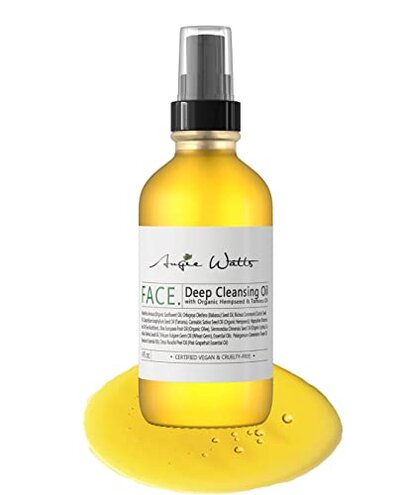
- Avoid it if you want a one-step cleanser that rinses clean with water alone.
- Skip it if you wear stubborn eye makeup often and hate extra rubbing.
- Pass if your skin is reactive and you are buying mainly for a broad gentle-skin promise.
- Look elsewhere if $30 only feels fair when performance is easy and consistent from the first week.
Who this is actually good for
- It may suit buyers who already double-cleanse and do not mind a second step.
- It can fit people who wear light makeup and care more about ingredient style than fast rinse-off.
- It works better for users willing to patch test and adjust technique before judging results.
- It may be fine if you prefer an oil finish and do not expect a stripped-clean feeling.
Expectation vs reality
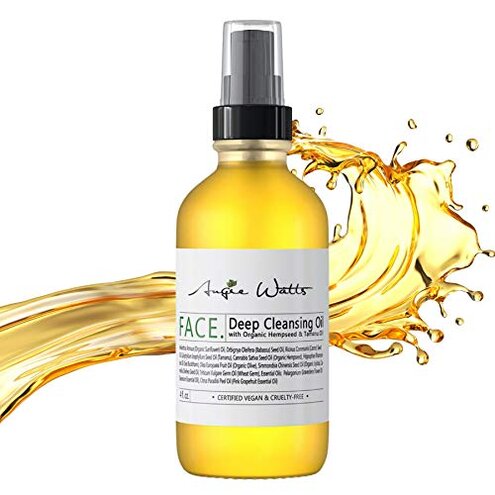
- Expectation: a cleansing oil should make makeup removal easier. Reality: repeated feedback suggests this can require more effort with heavier products.
- Expectation: a gentle-positioned face wash should feel low-risk. Reality: sensitivity complaints are not the main pattern, but they are persistent enough to matter.
- Reasonable for this category: some light residue can happen. Worse here: the extra cleanup burden appears more frequent than many mid-range alternatives.
- Expectation: a higher price should buy convenience. Reality: common frustration comes from paying more while still needing workarounds.
Safer alternatives

- Choose an emulsifying oil cleanser if your biggest worry is leftover film after rinsing.
- Pick a makeup-first formula if you regularly remove waterproof mascara or long-wear sunscreen.
- Buy a smaller trial size when your main risk is skin compatibility rather than cleansing strength.
- Look for low-step routines if you do not want a cloth, repeat wash, or technique learning curve.
- Compare price to routine burden so you do not overpay for a cleanser that only works well with workarounds.
The bottom line
Main regret comes from the gap between the easy, gentle promise and the more demanding real-world routine. That risk runs higher than normal for this category because rinse-off fuss, removal inconsistency, and value doubts connect into one recurring problem. Verdict: avoid it if you want a low-effort cleansing oil, especially at this price.
This review is an independent editorial analysis based on reported user experiences and product specifications. NegReview.com does not sell products.