
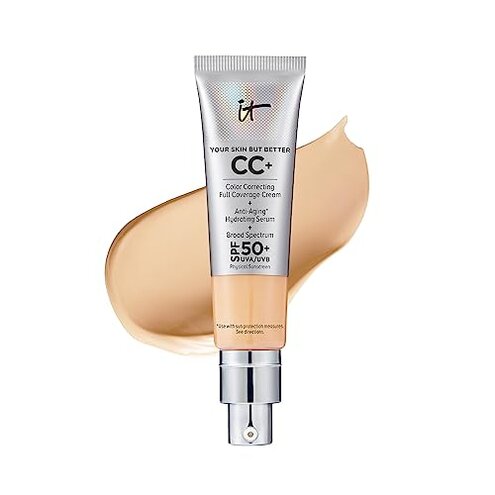
Product evaluated: IT Cosmetics CC+ Cream (Medium) - Natural Full Coverage Foundation With SPF 50+, Color Corrector & Anti-Aging Hydrating Serum, Hyaluronic Acid + Peptides, Lightweight - 1.08 fl oz
Related Videos For You
Testing BB Creams, CC Creams + Tinted Moisturizers | Reviews + Wear Test
THE BEST FOUNDATIONS FOR DRY SKIN (in light, medium, full coverage) // @ImMalloryBrooke
Data basis: This report summarizes hundreds of buyer impressions collected from written feedback and video demos gathered across public retail and beauty review surfaces from 2023 to 2026. Most input came from detailed written wear-test comments, with supporting visual check-ins that helped confirm how the finish, shade shift, and skin feel changed during daily use.
| Buyer outcome | This product | Typical mid-range alternative |
|---|---|---|
| Shade match | Higher risk of looking off after blending or wear time | Moderate risk, usually more predictable once matched |
| Coverage feel | Heavier than many expect from a CC cream during full-face wear | More balanced between coverage and comfort |
| Daily wear | Less forgiving on texture, dry spots, or oily breakthrough | Usually steadier across mixed skin conditions |
| SPF trade-off | More upkeep because makeup and sunscreen goals can clash | Simpler routine when buyers separate base makeup and SPF |
| Regret trigger | Pays premium price but still needs extra prep, mixing, or blotting | Lower regret if expectations are basic coverage and easier wear |
Why does it look darker a little later?
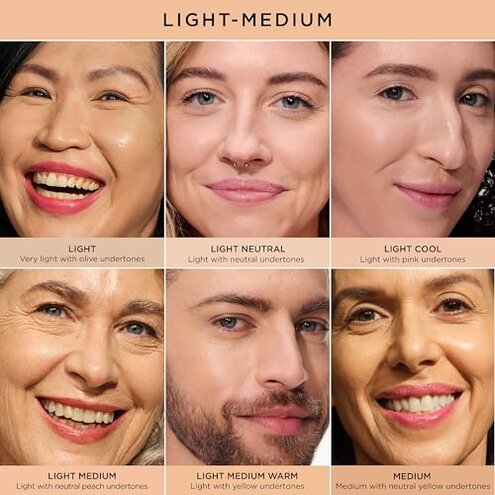
Shade shift is among the most common complaints, and it is more disruptive than expected for a base product at this price. The regret moment usually happens after application looks fine at first, then appears noticeably warmer or darker during normal daytime wear.
Pattern: This shows up repeatedly across mixed skin types, so it is not universal but clearly persistent. Compared with a typical mid-range foundation, buyers often describe this one as less predictable once it settles.
- Early sign: The match can seem close right after blending, then start looking off once it sits on skin.
- When it hits: The issue appears during daily use, especially after regular face oils and heat build through the day.
- Frequency tier: This is a primary issue, not an edge complaint.
- Why it stings: A product sold as easy color-correcting coverage creates more matching stress than many buyers expect.
- Buyer impact: People end up buying a second shade, mixing products, or limiting use to certain seasons.
- Fixability: Careful prep can help a little, but the hidden requirement is shade testing beyond first application.
Illustrative: “It matched at breakfast, then looked orange by lunch.” Primary pattern.
Why does a CC cream feel this heavy?
- Main frustration: The texture is a secondary issue, but it becomes more frustrating when buyers expected lighter everyday wear.
- Usage moment: This shows up on first use and repeats during full-face application, especially when applying the 1 to 2 pumps suggested.
- Common reaction: Buyers often say the finish feels more like full foundation than a quick skin product.
- Category contrast: CC creams are reasonably expected to feel easier and more forgiving than classic full coverage makeup, but this one is often described as denser.
- Visible result: It can emphasize pores, lines, or dry patches if skin is not well-prepped.
- Routine cost: People often need extra moisturizer, a lighter hand, or a damp sponge to make it sit better.
- Hidden requirement: The product works best when buyers treat it like a fuller base, not a fast one-step cream.
Illustrative: “This felt like makeup-makeup, not a simple morning shortcut.” Secondary pattern.
Why does it separate or look rough on some skin?
Texture trouble appears repeatedly, especially on dry, mature, or combination skin. It is less frequent than shade complaints, but more frustrating when it occurs because it shows up in normal mirror-check moments.
During wear, the product can cling to flakes, settle into lines, or break apart around oilier areas. That makes it feel worse than a category-normal finish issue because the formula is marketed as hydrating and smoothing.
- Scope: This is seen across multiple feedback sources, not just one type of buyer.
- Worse conditions: It tends to act up after skin care, on textured areas, or through long indoor-outdoor days.
- Comparison: Typical mid-range base products may fade, but this can look patchy rather than simply worn.
- Practical effect: Buyers spend extra time pressing, blending, and checking around the nose, chin, and fine lines.
- Fix attempts: Primer, thinner layers, and careful powder help some people, but results remain inconsistent.
Illustrative: “It found every dry patch I didn’t know I had.” Secondary pattern.
Is the all-in-one promise too optimistic?
- Core mismatch: The all-in-one claim is a primary regret trigger because buyers expect fewer steps, not more.
- When noticed: This becomes clear after repeated use, once buyers realize they still need extra prep or touch-ups.
- Why it stands out: In this category, combined makeup-plus-SPF products usually trade some perfection for convenience, but this one often asks for more effort than expected.
- Real trade-off: Full coverage, high SPF, and easy wear do not always show up together on the face.
- Common workaround: Some buyers use a separate sunscreen and apply less product, which reduces the one-step appeal.
- Cost angle: At $47, needing extra products or extra technique feels harder to justify.
- Not universal: Some people like the finish, but the convenience gap appears repeatedly in negative feedback.
- Hidden requirement: You may need to choose whether you want the best coverage day or the easiest routine day.
Illustrative: “I bought one product and somehow added steps.” Primary pattern.
Who should avoid this
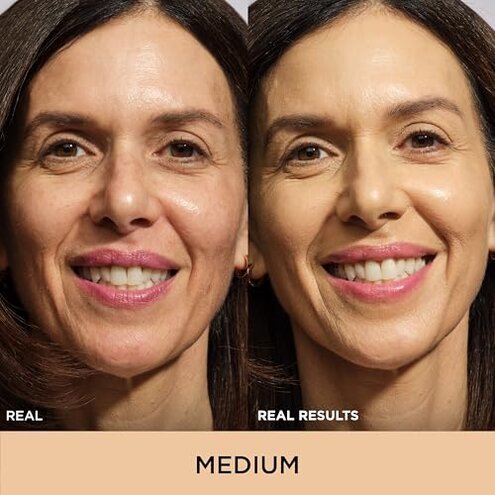
- Avoid it if shade matching is already hard for you, because the recurring shift risk is higher than normal for this category.
- Avoid it if you want a true one-step morning base, since the hidden prep and blending effort can cancel the convenience.
- Avoid it if dry patches or texture show easily on your skin, because this product appears less forgiving during daily wear.
- Avoid it if you dislike heavier face makeup, since many buyers expected lighter CC cream feel and got fuller foundation behavior.
Who this is actually good for
- Good fit for buyers who like fuller coverage and do not mind spending time blending and testing shades.
- Good fit for people willing to tolerate a heavier feel in exchange for coverage plus built-in SPF.
- Good fit for users whose skin already works well with richer base products and who do not get much texture separation.
- Good fit for shoppers comfortable treating it like foundation first, not a quick tinted cream.
Expectation vs reality
Expectation: A CC cream should give simpler daily coverage with fewer decisions.
Reality: This one often needs more technique, better prep, and closer shade caution than a reasonable category baseline.
Expectation: Full coverage with SPF should save time.
Reality: The trade-off is that wear, texture, and shade behavior can create extra correction steps later.
Expectation: A hydrating base should stay friendly on uneven skin.
Reality: For a persistent group of buyers, it can turn patchy or settle in places they hoped to blur.
Illustrative: “Great idea on paper, fussy in real life.” Edge-case summary of the convenience gap.
Safer alternatives
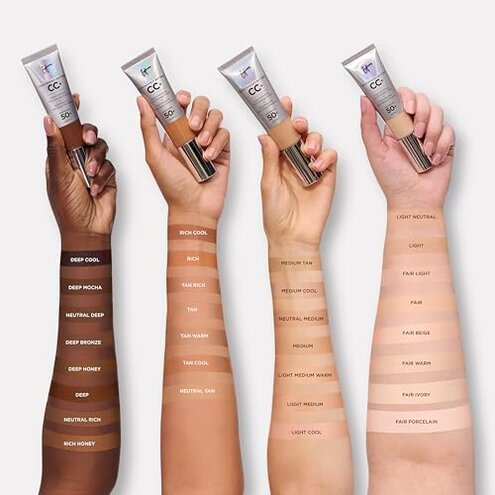
- Choose testers or flexible return options if shade shift bothers you, because this product’s matching risk appears higher than normal.
- Pick lighter formulas labeled skin tint or medium coverage if you want a true everyday feel instead of fuller makeup texture.
- Separate SPF and foundation if you want easier control, since that avoids the all-in-one trade-off seen here.
- Look for satin or natural finishes marketed for texture-prone skin if patchiness is your usual problem.
- Start with mini sizes when possible for premium-priced complexion products that commonly need technique adjustments.
The bottom line
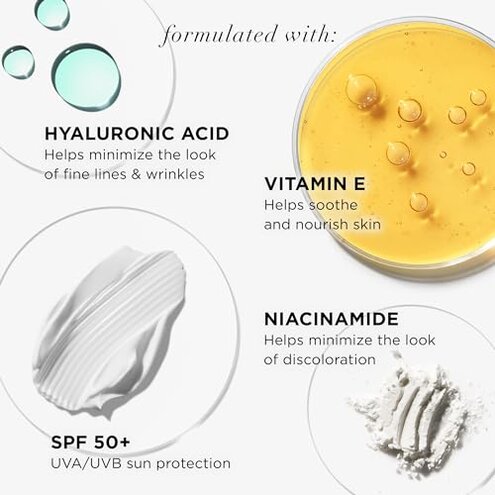
Main regret usually starts with shade change and the gap between the easy all-in-one promise and the real routine needed. That exceeds normal category risk because a CC cream is supposed to reduce effort, while this one commonly asks for more prep, more monitoring, or more shade trial-and-error. Verdict: skip it if you want low-maintenance daily makeup or highly predictable shade behavior.
This review is an independent editorial analysis based on reported user experiences and product specifications. NegReview.com does not sell products.