
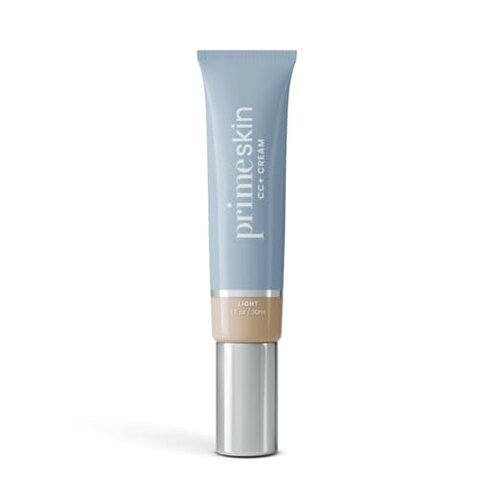
Product evaluated: Prime Prometics PrimeSkin CC+ Cream for Mature Women – Lightweight Liquid-to-Powder Foundation – Blurs Pores & Covers Age Spots – Crease-Free, Hydrating & Soft-Matte Finish for Sensitive Skin (Light)
Related Videos For You
The BEST Foundations for Mature Skin | Dominique Sachse
Foundation Friday Over 50 #15 IT Cosmetics CC+ Cream
Data basis: This report summarizes dozens of buyer comments collected from written ratings and short video-style demonstrations during the recent 12 months. Most feedback came from written reviews, with added context from photo-backed and demo-style impressions, which helped show how the finish looks during daily wear rather than only at first application.
| Buyer outcome | Prime Prometics | Typical mid-range alternative |
|---|---|---|
| Shade match | Higher risk of looking off-tone, especially on first use without testing. | Usually easier to predict within the same shade label. |
| Texture forgiveness | Less forgiving when skin is dry or textured during daily wear. | More flexible across normal skin prep habits. |
| Coverage payoff | Mixed result between natural look and covering spots fully. | More predictable medium coverage in one layer. |
| Application effort | More upkeep to get an even finish without patchiness. | Lower effort for a passable everyday result. |
| Regret trigger | Paying $46 and still needing extra prep, blending, or shade adjustment. | Lower regret because performance is usually closer to expectations. |
Why does it look wrong even when the shade name seems right?
Shade mismatch appears to be a primary issue and one of the most common complaints. The regret moment usually happens on first use, when buyers expect a quick face-evening product and instead see a tone that reads too light, too warm, or just unnatural in daylight.
Not universal, but persistent enough across feedback to matter. Compared with a typical mid-range face base, this feels worse than expected because a CC cream is usually bought for easier matching, not extra guesswork.
- Early clue: The color can seem acceptable indoors, then look off once checked near a window or outside.
- Pattern: This issue is recurring across different skin descriptions, not limited to one narrow skin type.
- When it hits: It shows up during daily makeup routines when buyers want a fast one-step base.
- Impact: A wrong tone makes age spots or redness stand out more instead of blending in.
- Hidden requirement: Some buyers end up needing a second product to warm, lighten, or sheer it out.
- Fixability: You may improve it by mixing or applying lightly, but that adds extra steps beyond what this category usually promises.
Illustrative: “It blended fine, but the color looked strange after ten minutes.” — Primary pattern
Why does the finish catch texture instead of smoothing it?
- Texture issue: This is a primary complaint, especially during close-up mirror checks after the product sets.
- Worsens when: It tends to look harsher on drier skin, uneven patches, or areas with visible lines.
- Category contrast: That is more frustrating than normal because products aimed at mature skin are expected to be more forgiving, not less.
- Buyer trade-off: The soft-matte look can seem neat at first, but some users feel it stops looking skin-like as wear continues.
- Frequency tier: This appears slightly less common than shade complaints, but more annoying when it happens because it is hard to hide.
- Common attempt: Extra moisturizer or primer may help, yet that creates a prep routine many buyers hoped to avoid.
- Real regret: The product can draw attention to pores or dry spots, which is the opposite of the blur effect shoppers are paying for.
Illustrative: “It sat on my skin and made little dry areas obvious.” — Primary pattern
Why is the coverage uneven from one area to another?
Uneven payoff is a secondary issue, but it shows up repeatedly enough to affect confidence. The problem often appears during blending, when one part of the face looks nicely even and another still shows spots or redness.
More disruptive than expected for this category because buyers choose a CC cream to reduce steps. If you still need spot concealer or repeated layering, the value drops quickly at this price.
Buildable does not always mean consistent. Some feedback suggests extra layers can improve coverage in one area while making another area look heavier or patchier.
- Scope: Seen across multiple feedback styles, including comments focused on mature-skin use.
- When it shows: Most noticeable around discoloration, nose redness, and age spots during normal morning application.
- Trade-off: A lighter finish can look natural, but may not meet expectations for visible spot coverage.
- Practical effect: Buyers may spend more time tapping, reblending, and checking symmetry.
- Category baseline: Mid-range alternatives often deliver more predictable medium coverage without this much balancing work.
Illustrative: “One cheek looked great, but my spots still showed through.” — Secondary pattern
Why does it feel like a high-maintenance everyday foundation?
- Effort gap: This is a secondary but persistent complaint, especially for buyers wanting a simple routine.
- When it matters: The extra effort shows up on rushed mornings, travel use, or redoing makeup before going out.
- Cause pattern: Success often depends on careful skin prep, light layers, and the right blending method.
- Hidden requirement: That means the product may work best only if your skin is prepped just right, which many buyers do not expect from a CC cream.
- Why worse: Compared with typical mid-range options, this asks for more technique to avoid streaks, patchiness, or over-application.
- Cost sting: At $46, buyers tend to expect reliable convenience, not trial-and-error.
- Fixability: It may perform better after experimentation, but repeated practice is exactly what frustrates convenience-focused shoppers.
Illustrative: “I can make it work, but only when I prep carefully.” — Secondary pattern
Illustrative: “Nice idea, but too much work for a quick everyday base.” — Edge-case pattern
Who should avoid this
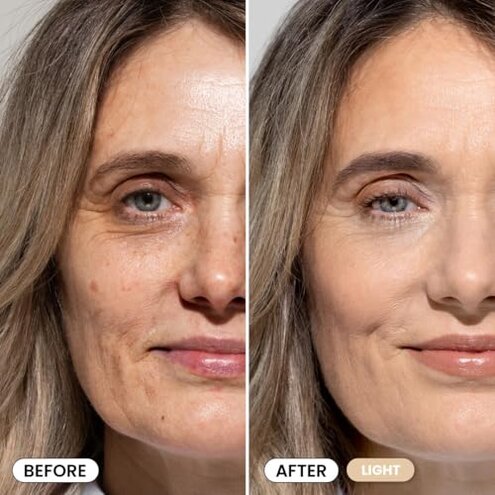
- Avoid it if shade matching is hard for you, because the first-use mismatch risk looks higher than normal for this category.
- Skip it if your skin often shows dry patches or texture, since the finish appears less forgiving during daily wear.
- Pass if you want one-step spot coverage, because uneven payoff is a recurring frustration.
- Look elsewhere if you buy CC cream for speed, since this one may demand more prep and blending than expected.
- Be cautious if $46 is already a stretch, because regret rises fast when a product needs extra products to look right.
Who this is actually good for
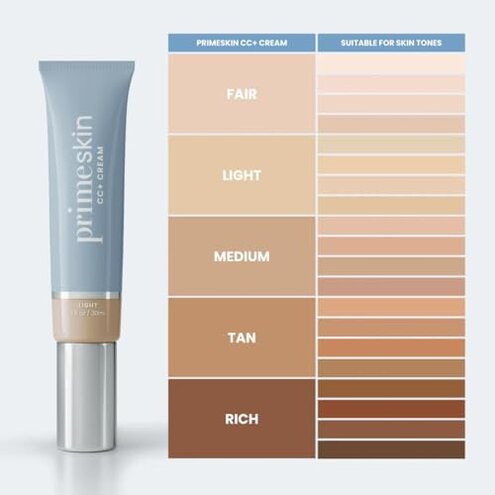
- Good fit for buyers who already know this shade works on them and are willing to accept some matching risk.
- Better suited to people who prefer lighter, more natural coverage and do not need strong spot concealment.
- Works better for shoppers with a careful skin-prep routine who do not mind a little experimentation.
- Reasonable pick if your main goal is a soft-matte look and you usually use extra products to fine-tune your base anyway.
Expectation vs reality
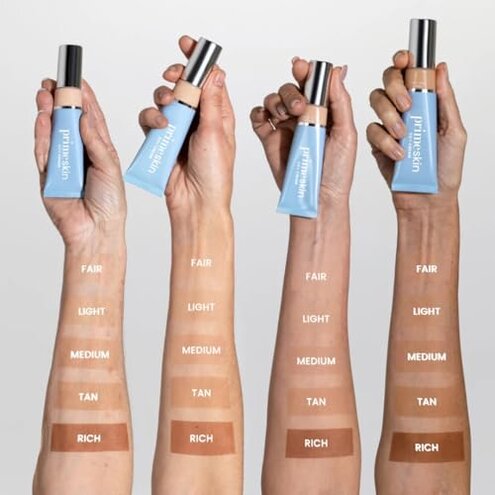
- Expectation: A CC cream for mature skin should be easy to shade-match. Reality: Matching appears more uncertain than reasonable for this category.
- Expectation: Liquid-to-powder should smooth quickly. Reality: It can emphasize dry texture during normal wear if your prep is not just right.
- Expectation: Buildable coverage should cover spots with another light layer. Reality: Extra layering may improve one area while making another look uneven.
- Expectation: At $46, convenience should be part of the value. Reality: Several buyers seem to spend extra time correcting color or finish.
Safer alternatives
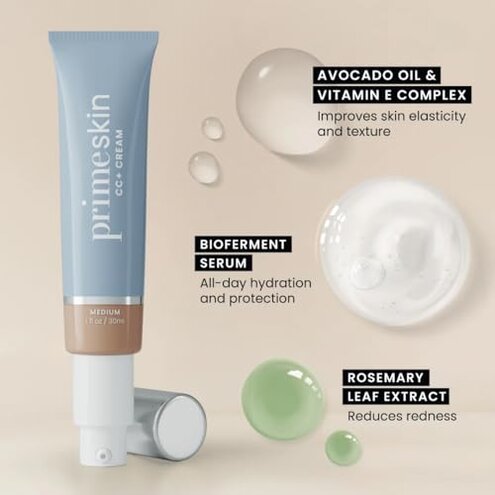
- Choose wider shade ranges if color matching is your usual problem, because that directly reduces the biggest regret trigger here.
- Favor dewy or flexible finishes if your skin runs dry, since they are often more forgiving than quick-setting soft-matte formulas.
- Look for true medium coverage claims if age spots are your main concern, so you are less likely to need a second concealer step.
- Prioritize tester-friendly buying when possible, because first-use mismatch is harder to correct after opening.
- Pick simpler formulas if you want a five-minute routine, especially products known for easy finger application without heavy prep.
The bottom line
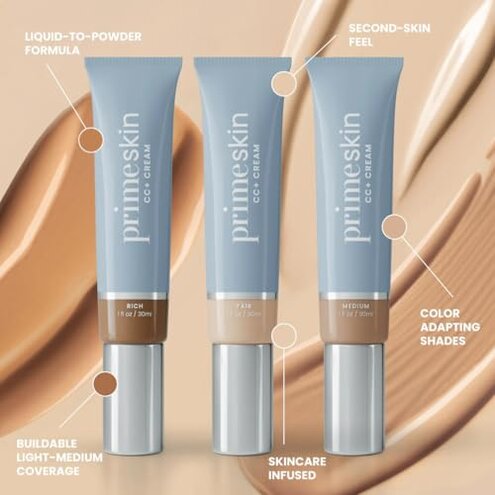
Main regret comes from the gap between easy mature-skin coverage promises and the reality of shade uncertainty, texture sensitivity, and extra application effort. That feels riskier than normal for a mid-range face base because this category is supposed to simplify routines, not add more steps. If you need reliable shade matching and low-maintenance daily wear, this is one to approach carefully or skip.
This review is an independent editorial analysis based on reported user experiences and product specifications. NegReview.com does not sell products.