
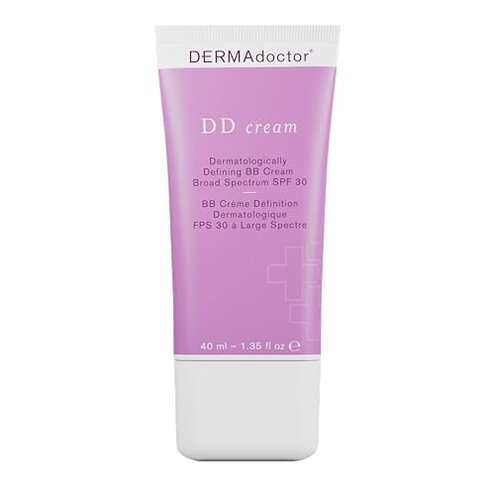
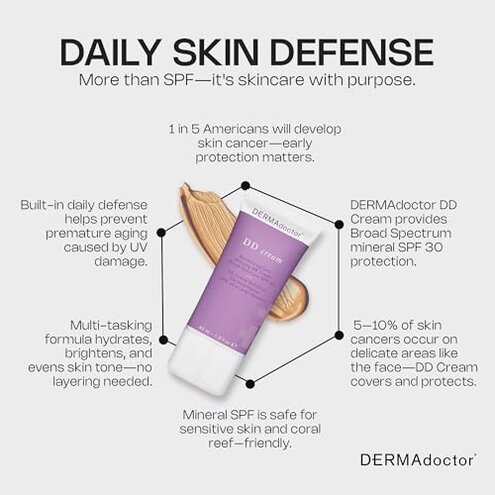
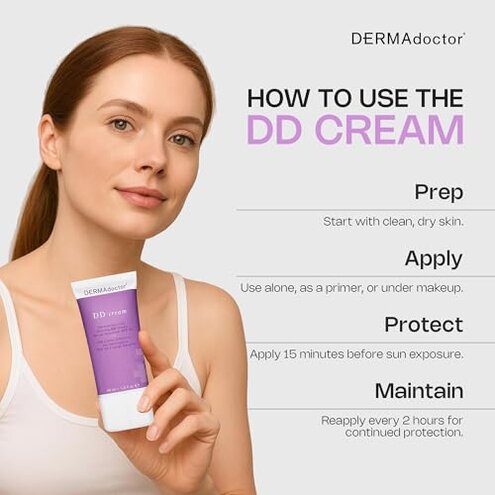
Product evaluated: DD Cream Dermatologically Defining BB Cream Broad Spectrum SPF 30
Related Videos For You
One of the best tinted sunscreen which you have to try #tintedmoisturizer #tintedsunscreen #musttry
This Green BB Cream CHANGES To Match Your Skin Tone
Data basis: This report uses dozens of shopper comments gathered from written feedback and video-style demonstrations collected from 2024 to 2026. Most feedback came from written impressions, with supporting visual check-ins that helped verify how the tint, finish, and wear looked during normal daily use.
| Buyer outcome | This product | Typical mid-range option |
|---|---|---|
| Shade match | Higher risk of looking off because the universal tint is less forgiving in real use. | Lower risk when several shade choices are offered. |
| Coverage feel | Mixed result because sheer coverage can feel too light for buyers expecting more evening. | More predictable light coverage in this price tier. |
| Daily wear | Less reliable for long days if your skin gets oily, dry, or textured. | Usually steadier through routine office or errand wear. |
| Routine simplicity | Can add steps if you need extra blending, powder, or base prep to make it look right. | Usually simpler if the tint match is closer from the start. |
| Regret trigger | Paying $42 and still needing another base product to fix color or finish. | Less common to need a second product just to make it usable. |
Why does the tint look wrong so fast?
This is a primary issue. The most common regret moment is first application, when the supposed universal tint does not blend as naturally as expected. That trade-off feels sharper at $42, because buyers expect fewer surprises in a one-step face product.
The pattern appears repeatedly, especially during daylight wear or mirror checks outside the bathroom. Compared with a typical mid-range tinted SPF, a single self-adjusting shade is less forgiving than many shoppers reasonably expect.
- Early sign: You notice a cast, warmth shift, or uneven tone within the first few minutes of blending.
- Frequency tier: This is the primary complaint, showing up more often than wear-time concerns.
- When it hits: It shows up on first use, especially if you apply a full sunscreen amount instead of a tiny cosmetic layer.
- Why it stings: A face product sold as multi-use creates stronger expectations for easier matching than a normal tinted sunscreen.
- Buyer impact: The result can look acceptable indoors but off in natural light, which is a common trigger for returns or drawer abandonment.
Why does it feel like more work than a one-step product?
- Pattern: This is a secondary issue, but it becomes more frustrating because the product is marketed as a routine-simplifier.
- Usage moment: The hassle shows up during daily morning use, when buyers still need to add moisturizer, primer tricks, or extra blending time.
- Hidden requirement: Many buyers seem to need careful prep or a lighter hand to avoid patchiness, which defeats the simple all-in-one promise.
- Compared with baseline: Most mid-range tinted moisturizers still need some prep, but this can feel less plug-and-play than expected for the category.
- Real cost: The inconvenience is not just effort; it also adds extra time on workday mornings.
- Fix attempts: Buyers commonly try mixing, layering, or setting it, but those fixes mean it no longer works as a true one-step option.
Why can the finish turn uneven during the day?
This recurring problem is less frequent than shade mismatch, but more disruptive once you are already out of the house. It tends to show up after several hours of wear, especially on skin that gets oily, dry, or has visible texture.
The frustration is practical. In this category, some change over the day is normal, but buyers describe a finish that can look more obvious than expected once it settles into lines or clings to dry spots.
- Trigger point: The issue appears during extended wear, not just right after application.
- Frequency tier: This is a secondary pattern, seen across different skin-type experiences.
- Worse conditions: It can look rougher in heat, on textured areas, or when layered over other skincare.
- Why it matters: A sheer base product should be easy to forget, but this can become visibly high-maintenance by midday.
- Category contrast: Tinted SPFs often need touch-ups, yet this seems less steady than many standard mid-range alternatives.
- Fixability: Powder or reblending may help, but both can make the “moisturizer plus sunscreen” idea feel less realistic.
- Buyer regret: The product can start polished and end up patchy-looking, which is more frustrating than a simple fade.
Why does the value feel shaky for 1.3 fl oz?
- Pattern: This is a persistent value complaint, especially among buyers who bought it as an everyday SPF step.
- Usage anchor: The concern shows up after repeated daily use, when a small bottle feels costly for a product that may require generous application.
- Intensity cue: This is less frequent than tint complaints, but more frustrating when it occurs because it affects every single use.
- Why it exceeds baseline: At $42 for 1.3 fl oz, buyers expect either easier shade success or more dependable wear than they commonly report.
- Hidden downside: If you use less to stretch the bottle, you may undercut the daily-use purpose of a face SPF product.
- Trade-off: If you use enough for proper face coverage, the bottle can feel less economical than a typical mid-range tinted sunscreen.
- End result: Regret usually comes from paying premium-like money for a product that still needs backup products.
Illustrative excerpts
- Illustrative: “It looked fine inside, then weirdly orange outside.” Primary pattern tied to shade mismatch in daylight.
- Illustrative: “I bought it to save time, but it added steps.” Secondary pattern tied to prep and blending effort.
- Illustrative: “By lunch, it was sitting on my dry spots.” Secondary pattern tied to uneven wear over time.
- Illustrative: “Too expensive for something I still had to mix.” Primary pattern tied to weak value after workaround attempts.
Who should avoid this
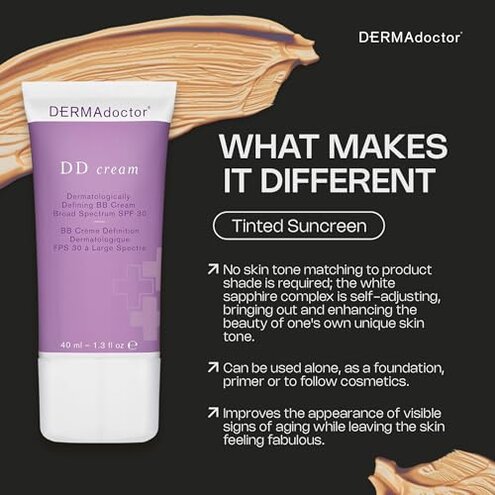
- Avoid it if you need a reliable one-step morning product, because the repeated complaint is that it can require extra prep or correction.
- Avoid it if shade match is usually hard for you, because a single universal tint brings a higher-than-normal mismatch risk.
- Avoid it if you wear base products for long workdays, since wear issues tend to show up more during extended use.
- Avoid it if price sensitivity matters, because paying $42 feels risky when many buyers still need another product to finish the look.
Who this is actually good for
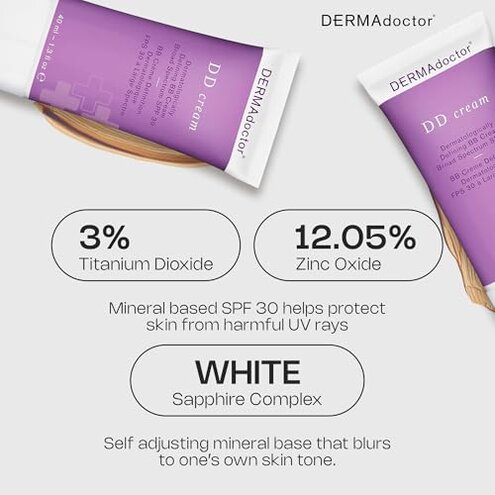
- It may suit buyers who already know universal tints work on them and can tolerate the main shade-risk complaint.
- It may suit someone wanting very sheer coverage and not expecting a true BB cream replacement.
- It may suit buyers who do not mind a more hands-on routine and already use skin prep, blending tools, or setting products.
- It may suit someone using it for shorter outings instead of all-day wear, where the finish issues matter less.
Expectation vs reality
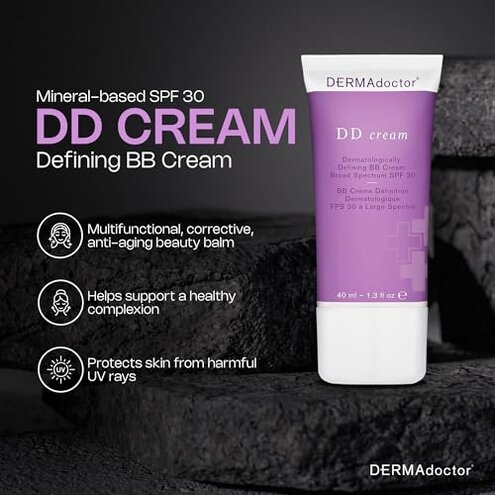
Expectation: A universal tint should blend in with minimal fuss for most faces.
Reality: The most repeated frustration is that shade adaptation is less reliable than the all-in-one promise suggests.
Expectation: Reasonable for this category, a tinted SPF may need minor touch-ups later.
Reality: Here, the finish can become more noticeable than expected, which feels worse than normal category upkeep.
Expectation: A multi-use product should save steps.
Reality: The hidden requirement is often extra prep, careful blending, or another complexion product.
Safer alternatives
- Choose multiple shades instead of a universal tint if color mismatch has burned you before.
- Pick a larger bottle for daily SPF use, which reduces the value risk tied to small-size frequent replacement.
- Look for wear-focused tinted sunscreen options if you need office-to-evening reliability more than skincare extras.
- Test sheer products in daylight when possible, because indoor blending can hide the most common regret trigger.
- Separate steps if your skin is reactive to patchiness, since dedicated sunscreen plus light complexion product is often easier to control.
The bottom line
The main regret trigger is simple: the universal tint often does not behave as universally as buyers expect. That matters more here because the $42 price and all-in-one positioning raise the standard above a typical mid-range tinted SPF. Verdict: If shade match, easy mornings, and dependable wear matter, this is easier to skip than gamble on.
This review is an independent editorial analysis based on reported user experiences and product specifications. NegReview.com does not sell products.