
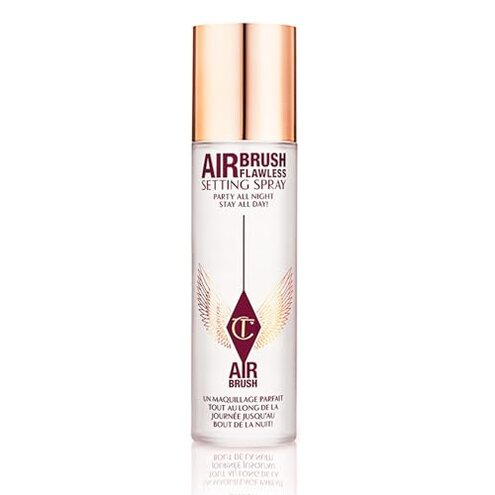
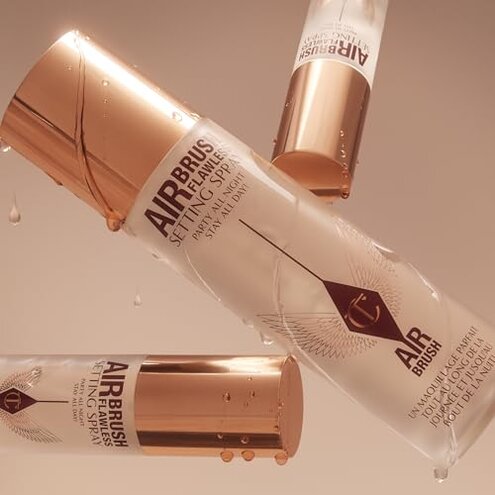
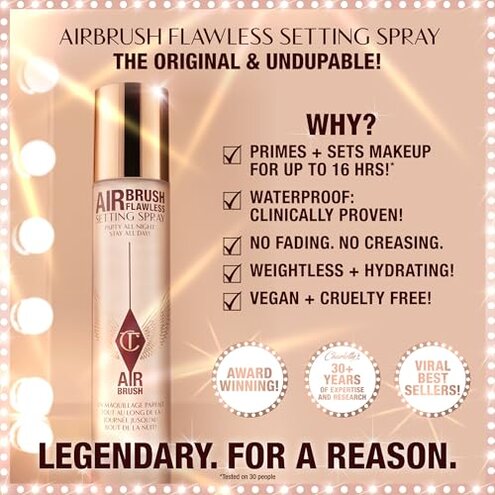
Product evaluated: Charlotte Tilbury Airbrush Flawless Setting Spray - Ultra-Fine Hydrating Mist to Prime & Set Face Makeup For Up to 16Hr - Soothes, Blurs Pores & Calms Skin (100ml)
Related Videos For You
THE RIGHT WAY TO USE A SETTING SPRAY ✅ #makeup #advice
THE BIG FAT SETTING SPRAY LIE
Data basis for this buyer report comes from dozens of aggregated customer feedback items collected from written reviews and ratings, plus a smaller share of buyer Q&A style notes, spanning 2024–2026. Most signals came from longer written comments, supported by shorter star-only feedback that reinforced the same themes. This summary focuses on recurring negatives that show up across multiple surfaces, not one-off experiences.
| Buyer outcome | This setting spray | Typical mid-range |
|---|---|---|
| Spray feel | Higher chance of feeling wet or sticky during dry-down | More often dries down quickly without tack |
| Finish consistency | Less predictable with some makeup combos | More forgiving across foundations and powders |
| Skin comfort | Higher-than-normal risk of irritation for sensitive users | Lower irritation risk in day-to-day use |
| Nozzle performance | More reports of uneven mist or droplets over time | More consistent mist across the bottle life |
| Regret trigger | Price feels wasted when it disrupts makeup instead of setting it | Lower cost reduces regret when results are “just ok” |
Top failures
“Why does my makeup look worse after spraying?”
Regret often hits when you finish your face, spray, and then notice separation, patchiness, or a strange sheen.
This is a primary complaint pattern that appears repeatedly, but it is not universal across all users.
When it shows up most is during daily wear after powders, or when layering over fuller-coverage foundation.
Baseline setting sprays can be picky, but this one is described as less forgiving than many mid-range options at its job.
- Early sign: you see tiny “dot” texture or micro-patches as it dries.
- Primary pattern: the finish turns shiny or uneven instead of “locked in.”
- Combo risk: issues appear repeatedly with heavy powder, matte bases, or thick concealer.
- Wear moment: problems become obvious under indoor lights or phone flash after dry-down.
- Trade-off: some users get hold, but dislike the look it leaves behind.
- Mitigation: lighter application and more distance can reduce issues, but adds extra steps and experimentation.
- Fixability: once it disrupts the base, many reports say it is hard to correct without redoing makeup.
“Why does it feel sticky or never fully dry?”
Discomfort is a secondary theme where the spray feels tacky longer than expected.
It tends to stand out during long days, mask-wearing, or when you re-spray for touchups.
Most mid-range sprays dry down faster, so the lingering feel is more disruptive than normal for this category.
- Secondary pattern: tackiness shows up repeatedly, especially when layering sprays.
- First use: some buyers notice it within minutes of application.
- Worse with: humid rooms or sweaty commutes where dry-down already struggles.
- Knock-on: hair can stick to the face and leave marks during wear.
- Touchup trap: reapplying can amplify the sticky feel rather than refresh makeup.
- Workaround: using fewer sprays helps, but reduces the “setting” benefit people paid for.
- Expectation gap: “hydrating” can still mean uncomfortable, and that’s a repeated frustration signal.
- Hidden cost: you may need blotting or extra powder to counter the feel, adding time and product.
“Is the nozzle supposed to spray droplets like that?”
Mess from an uneven mist is an edge-to-secondary issue that still appears persistently across feedback.
The regret moment is getting a droplet pattern that spot-disrupts makeup right after you finish.
Category sprays can clog, but buyers flag this as more annoying here because the price raises expectations for a fine mist.
- Edge-case: some bottles spray more like a squirt than a cloud.
- Timing: it often shows up after repeated use, not always on day one.
- Condition: drying product at the nozzle can worsen spray pattern between uses.
- Impact: droplets can create “polka dot” marks that need blending.
- Attempted fix: wiping the nozzle helps sometimes, but becomes extra upkeep.
- Reliability: inconsistency is the core complaint, not total failure.
“Why is my skin reacting when it’s supposed to be calming?”
Irritation is a secondary but important theme for sensitive or reactive skin types.
It tends to appear during daily use, especially when sprayed close to the face or used as a primer step.
Many mid-range sprays still irritate some people, but the mismatch versus “soothing” expectations makes the disappointment sharper.
- Secondary signal: stinging or redness is reported repeatedly, but not by everyone.
- First minutes: discomfort often starts right after spraying.
- Worse when: used multiple times per day or over compromised skin.
- Eye area: overspray can be bothersome during application.
- Hidden requirement: you may need to patch-test and avoid close-range spraying to prevent a bad day.
- Mitigation: increasing distance and shielding eyes helps, but reduces convenience.
- Dealbreaker: for reactive users, one bad reaction can outweigh any hold benefit.
Illustrative excerpts (not real quotes)
- Illustrative: “It melted my base in spots right after I sprayed.” Primary pattern: finish disruption appears repeatedly.
- Illustrative: “Feels tacky for ages, then my hair sticks to my cheeks.” Secondary pattern: sticky dry-down shows up often.
- Illustrative: “The nozzle spits droplets, so I get dots on my foundation.” Secondary pattern: uneven mist is persistent for some.
- Illustrative: “My face stung and looked red within minutes.” Secondary pattern: irritation is recurring in sensitive users.
- Illustrative: “Works only if I use a very specific base and spray from far away.” Primary pattern: compatibility and technique demands repeat.
Who should avoid this
- Sensitive skin users who cannot risk stinging or redness during daily wear.
- Full-coverage or heavy-powder wearers who hate redoing makeup after a setting step goes wrong.
- Low-maintenance buyers who do not want to learn distance, timing, and layer rules.
- Value-focused shoppers who will feel strong regret if results are “picky” at a $38 price.
Who this is actually good for
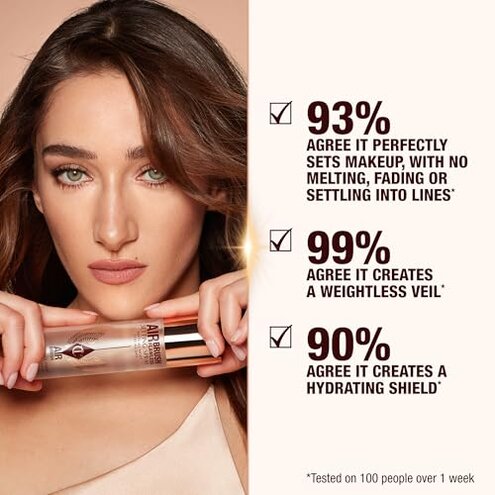
- Experimenters willing to test spray distance and base combos to avoid the patchy-finish failure.
- Light makeup users who wear thin layers and can tolerate some tack for added hold.
- Occasional use buyers who only need it for short events and can accept extra dry-down time.
- Non-reactive skin types who rarely react and can handle overspray precautions.
Expectation vs reality
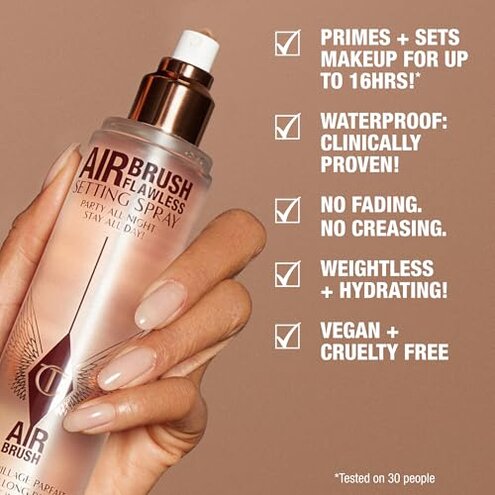
- Expectation: a fine mist is reasonable for this category at this price. Reality: uneven droplets are a persistent complaint for some bottles.
- Expectation: “setting” should reduce visible texture. Reality: a primary pattern is texture or patchiness showing up after dry-down.
Expectation: “hydrating” should still feel comfortable within a few minutes.
Reality: tacky dry-down is a secondary theme, especially with touchups or humidity.
Safer alternatives
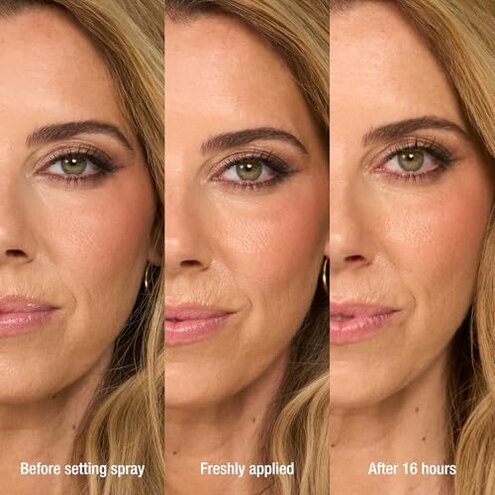
- Prioritize “fine mist” performance by choosing sprays known for consistent atomization to reduce droplet spotting risk.
- Choose a simpler, mid-range setting spray if you need broad compatibility with matte bases and heavy powders.
- Look for fast dry-down options if sticky feel is a personal dealbreaker during long wear.
- Patch-test any new spray, and consider fragrance-free or minimal-sensation options if irritation is a known issue for you.
- Consider setting methods like lighter powder plus targeted spray to avoid the “one step ruins all” failure.
The bottom line
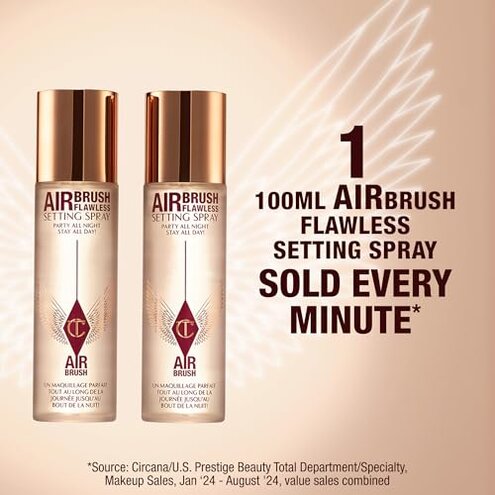
Main regret comes from the spray changing your makeup finish in an unwanted way after you’ve already completed your routine.
This exceeds normal category risk because the recurring complaints center on finish disruption, tacky dry-down, and occasional nozzle inconsistency at a premium-leaning price.
Verdict: avoid if you need predictable results with minimal technique, or if your skin reacts easily.
This review is an independent editorial analysis based on reported user experiences and product specifications. NegReview.com does not sell products.